
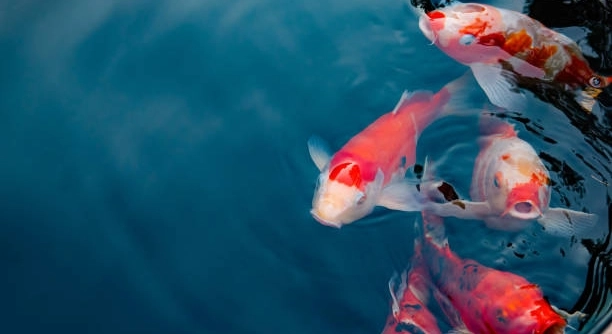
Koi fish are popular in garden ponds for their bright colors and graceful movements. They often display various behaviors that catch the attention of their caretakers. One such behavior is flashing their sides, which can be puzzling to observe.
Flashing in koi fish typically indicates irritation or discomfort, often caused by external parasites, poor water quality, or skin injuries. This behavior is a protective response, where the fish rubs against surfaces to relieve the irritation or remove parasites.
Understanding what causes koi to flash their sides is important for maintaining their health. This article will explain the reasons behind this behavior and how to respond effectively.
Causes of Flashing in Koi Fish
Flashing in koi is often a sign that something in their environment is bothering them. Parasites like flukes or lice can irritate their skin, causing the fish to rub against rocks or decorations. Poor water conditions, such as high ammonia or nitrite levels, also lead to discomfort. Injuries from sharp objects or aggressive tank mates may result in flashing as the fish tries to soothe itself. Sometimes, sudden changes in temperature or water chemistry stress koi and trigger this behavior. Regularly checking water quality and inspecting fish for visible signs of parasites or wounds can help identify the cause. It is important to act quickly to prevent further health issues. Flushing the pond or changing the water frequently can reduce irritants and improve koi well-being. Keeping the pond clean and balanced lowers the chance of flashing due to environmental problems.
Flashing is a clear indication that koi need attention to their habitat or health. It should never be ignored.
Preventing flashing involves maintaining a clean pond with stable water parameters. Quarantining new fish before adding them to the pond limits parasite spread. Using treatments recommended for common koi parasites helps resolve irritation. Ensuring the pond lacks sharp objects and providing enough space reduces injuries and stress. Regular observation allows early detection of flashing and prompt intervention. Taking these steps supports koi health and reduces the chances of flashing caused by discomfort or irritation.
How to Respond When Your Koi Flash Their Sides
When you notice koi flashing, the first step is to test the water for ammonia, nitrites, nitrates, and pH levels. Poor water quality is often the main cause and fixing it can quickly improve fish comfort. Next, closely examine the fish for external signs of parasites, such as small spots, redness, or visible bugs. If parasites are found, using medicated treatments designed for koi will help eliminate them. For minor injuries, clean water and a stress-free environment support healing. If flashing continues despite good water quality and no visible parasites, consulting a specialist or veterinarian is advised. Quick action can prevent secondary infections or worsening of conditions. Regular pond maintenance and careful monitoring help catch issues early, ensuring koi remain healthy and vibrant. Taking these steps creates a safe and comfortable environment for your fish, reducing flashing incidents.
Signs to Watch for Alongside Flashing
Flashing is often accompanied by other signs that indicate koi health issues. Look for redness on the skin, clamped fins, lethargy, or loss of appetite. These signs together can help pinpoint the cause of flashing and guide treatment efforts effectively.
Redness and inflammation around the flashing areas often suggest parasite infections or skin irritation. Koi may also scratch themselves frequently on rough surfaces to ease discomfort. Clamped fins indicate stress or illness, and lethargy shows that the fish’s overall health is affected. Loss of appetite can be a sign of internal problems or poor water quality. Monitoring these symptoms along with flashing provides a clearer picture of what is wrong, allowing more precise action to be taken. Prompt recognition improves the chances of recovery and reduces the risk of complications.
In some cases, flashing combined with rapid breathing or gasping at the water surface signals low oxygen levels or poor water conditions. Observing these additional behaviors can help determine if environmental changes are necessary. Keeping a close eye on koi behavior beyond flashing ensures their needs are met and issues do not escalate unnoticed.
Preventing Flashing Through Pond Care
Maintaining excellent pond conditions is the best way to prevent flashing behavior in koi. Regular water testing and partial water changes keep toxins at safe levels. Proper filtration and aeration support a healthy aquatic environment. Avoid overcrowding, which stresses fish and increases disease risk. Providing a balanced diet strengthens koi immune systems, making them less prone to irritation and infection. Regular inspection of the pond for sharp objects or debris minimizes injury risks. Keeping plants trimmed and pond surfaces clean prevents buildup of harmful bacteria and algae. Quarantining new fish helps stop parasite introduction. Consistent care reduces the chance of flashing caused by environmental factors or parasites, ensuring koi stay comfortable and healthy.
A well-maintained pond encourages koi to thrive, reducing flashing caused by irritation. This creates a stable home where they can grow and display their natural beauty. Small, routine tasks like cleaning filters and checking water quality can make a significant difference in koi well-being. Investing time in proper pond care prevents many common health issues that cause flashing. Following a maintenance schedule and addressing problems early protects koi from discomfort and disease. These efforts result in a balanced ecosystem that supports healthy, happy fish for years to come.
Common Parasites That Cause Flashing
External parasites like flukes, lice, and anchor worms are frequent causes of flashing. These parasites attach to the skin or gills, causing irritation and discomfort. Early detection is important for effective treatment.
Flukes are microscopic flatworms that damage the skin and gill tissue. Lice are visible to the naked eye and cling to the fish’s body. Anchor worms burrow into the skin, causing inflammation. Each parasite requires specific treatment methods, so identifying the type helps in choosing the right approach.
How to Treat Parasite Infections
Treating parasite infections usually involves medicated baths or pond treatments. Chemicals like formalin, malachite green, or praziquantel are commonly used to eliminate parasites. The treatment duration and dosage depend on the severity of the infestation and the product instructions.
Medicated baths can be applied directly to the affected fish, while pond treatments require careful dosing to avoid harming beneficial organisms. It’s important to remove carbon filters during treatment as they can absorb medication, reducing effectiveness. Follow all safety guidelines and repeat treatments if necessary to ensure all parasites are eradicated.
Stress and Flashing
Stress lowers koi immunity, making them more prone to flashing. Stress can come from overcrowding, sudden temperature changes, or poor water quality. Minimizing stress helps keep koi healthy and flashing-free.
When to Seek Professional Help
If flashing persists despite treatment and good pond care, consulting a koi specialist or aquatic veterinarian is recommended. Persistent flashing may indicate underlying health issues requiring professional diagnosis.
FAQ
Why do koi fish flash their sides?
Koi fish flash their sides primarily because they feel irritated or uncomfortable. This behavior is a way for them to rub against surfaces and try to relieve itching caused by parasites, poor water conditions, or skin injuries. Flashing helps koi remove irritants or parasites from their bodies.
Can flashing be a sign of disease?
Yes, flashing can be a sign of disease, especially when linked with other symptoms like redness, clamped fins, or lethargy. Diseases caused by parasites or bacterial infections often lead to skin irritation, which triggers flashing. Early detection and treatment are important to prevent further health problems.
How can I tell if my koi has parasites?
Look for visible signs like small spots, white or red patches, or tiny moving creatures on the fish’s skin or gills. Koi may also flash more frequently and scratch themselves against pond objects. Other symptoms include lethargy, loss of appetite, or difficulty breathing. A microscope check can confirm parasite presence.
What water parameters should I monitor to prevent flashing?
Test ammonia, nitrite, nitrate, pH, and temperature regularly. Ammonia and nitrite should be at zero, nitrate kept low, and pH stable around 7 to 8. Sudden changes in temperature stress koi, so keep water temperature consistent. Proper filtration and aeration also maintain good water quality.
What are the best treatments for flashing caused by parasites?
Medicated baths or pond treatments using formalin, malachite green, or praziquantel work well against common parasites. Follow product instructions carefully. Remove carbon filters during treatment to avoid medication loss. Repeat treatments may be necessary to fully eliminate parasites.
How often should I clean my koi pond?
Partial water changes every one to two weeks are recommended, depending on pond size and stocking levels. Remove debris and dead plant material regularly. Clean filters monthly or as needed. Keeping the pond clean prevents buildup of toxins and reduces stress on koi.
Can flashing occur from environmental stress alone?
Yes, stress from overcrowding, poor water quality, or sudden environmental changes can cause flashing. Stress weakens koi immune systems, making them more sensitive to irritation. Reducing stress through proper pond maintenance and stocking levels helps prevent flashing caused by environmental factors.
Is flashing always a sign of a serious problem?
Not always. Sometimes koi flash briefly after a minor irritation or during routine cleaning behavior. However, persistent flashing accompanied by other symptoms should be treated seriously, as it often signals health or environmental issues that need attention.
How can I prevent flashing in koi fish?
Maintain stable water quality, avoid overcrowding, provide a balanced diet, and quarantine new fish before adding them to the pond. Regular inspection for parasites and injuries helps catch problems early. These steps reduce irritation and stress, minimizing flashing behavior.
When should I consult a professional about koi flashing?
If flashing continues despite good pond care and treatments, or if koi show severe symptoms like heavy breathing, ulcers, or abnormal swimming, seek help from a koi specialist or aquatic veterinarian. Professional diagnosis can identify less obvious diseases and recommend effective treatments.
Can flashing cause permanent damage to koi?
If flashing is caused by untreated parasites or injuries, it can lead to infections or weakened health, which may cause lasting damage. Early intervention prevents complications and promotes healing. Keeping koi in good conditions reduces risks of permanent harm from flashing behavior.
Are there natural ways to reduce flashing in koi ponds?
Natural methods include adding aquatic plants that improve water quality and provide shelter, maintaining proper stocking levels, and using beneficial bacteria products to balance pond ecosystems. These practices create a healthier environment that lowers irritation and reduces flashing.
How do temperature changes affect koi flashing?
Sudden temperature drops or rises stress koi and may cause flashing. Koi prefer stable water temperatures between 59°F and 77°F (15°C–25°C). Avoid rapid changes by acclimating new water slowly and providing shade or aeration during hot weather to keep temperature steady.
Does diet influence flashing behavior?
A poor diet weakens koi immune systems, making them more susceptible to parasites and infections that cause flashing. Feeding high-quality, balanced food strengthens their health. Avoid overfeeding to prevent water quality problems that contribute to irritation and flashing.
What role does quarantine play in preventing flashing?
Quarantining new fish for at least two weeks before introducing them to the pond helps detect and treat parasites or diseases early. This prevents spreading infections that cause flashing in healthy koi. Quarantine tanks allow close observation and safer treatments.
How long does flashing usually last?
Flashing may last a few hours if caused by a minor irritation, but persistent flashing over days indicates ongoing issues. The duration depends on the cause and the response taken. Prompt treatment and pond care typically reduce flashing within days to weeks.
Final Thoughts
Flashing is a natural behavior in koi fish that often signals discomfort or irritation. It is usually caused by external factors like parasites, poor water quality, or stress. Understanding the reasons behind flashing helps koi owners recognize when their fish may need attention. It is important to observe koi closely for any changes in behavior or physical signs that accompany flashing. Early detection of issues allows for timely intervention, which can improve the fish’s health and comfort. Ignoring persistent flashing can lead to more serious problems, including infections or weakened immune responses.
Maintaining a healthy pond environment is essential to reduce flashing in koi fish. Regular testing of water quality parameters such as ammonia, nitrite, nitrate, and pH is necessary to keep conditions stable and safe. Proper filtration, aeration, and regular cleaning also contribute to a balanced habitat. Reducing stress factors like overcrowding, sudden temperature changes, and poor nutrition helps keep koi strong and less prone to flashing. Quarantining new fish before adding them to the pond can prevent the introduction of parasites and diseases that cause flashing. Preventive care is often more effective and less costly than treating severe health problems later.
When flashing occurs, it should never be dismissed as normal behavior without consideration. While occasional flashing may happen due to minor irritations, persistent or intense flashing usually points to a deeper issue. Treatments depend on the cause but often include parasite control, improved water management, and stress reduction. Consulting a professional can be beneficial if flashing continues despite efforts to improve conditions. Taking these steps ensures that koi fish remain healthy and display their beautiful colors without discomfort. Overall, understanding flashing and its causes is vital for any koi keeper aiming to provide the best care possible.

Hello,
If you enjoy the content that we create, please consider saying a "Thank You!" by leaving a tip.
Every little bit helps us continue crafting quality advice that supports the health, happiness, and well-being of pets around the world, for pets of all shapes, sizes, and species.
We really appreciate the kindness and support that you show us!