
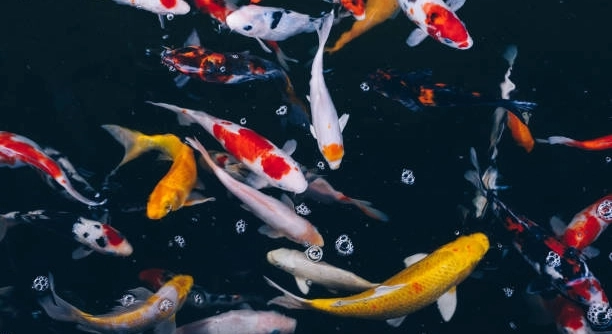
Caring for koi ponds often requires adding medications to maintain fish health and water quality. Knowing how to introduce these treatments safely is essential to protect the delicate balance of the pond ecosystem. Proper medication use helps ensure koi thrive without harm.
Safe medication practices in koi ponds involve accurate dosing, gradual introduction, and careful monitoring of water parameters. Avoiding sudden changes in water chemistry and using pond-specific treatments reduce stress and prevent damage to fish and beneficial bacteria essential for pond stability.
Following these guidelines will help you treat your koi pond effectively while minimizing risks. This article presents seven practical tips to assist with safe medication use in koi ponds.
Understanding the Importance of Accurate Dosing
Accurate dosing is critical when adding medications to koi ponds. Overdosing can harm the fish and beneficial bacteria, while underdosing may fail to treat the problem effectively. Always measure the medication carefully according to the product instructions. Using a precise measuring tool such as a syringe or graduated cup helps ensure the correct amount is added. Remember that the size of your pond matters; larger ponds require more medication, and smaller ponds need less. It is also important to avoid mixing medications unless recommended by a professional, as this can create harmful chemical reactions. Keeping a dosing log can be helpful to track treatments and avoid mistakes in repeat applications. Proper dosing supports the health of your koi while maintaining the delicate balance of the pond environment.
Taking the right dosage prevents stress to fish and supports the pond’s beneficial bacteria, essential for clean and healthy water.
When medications are dosed correctly, they effectively treat infections without damaging the ecosystem. Beneficial bacteria play a key role in breaking down waste and maintaining water quality. Overdosing can kill these helpful organisms, leading to poor water conditions and additional health problems for your koi. Under dosing may allow diseases to persist or worsen, prolonging suffering and increasing treatment costs. Accurate dosing also ensures that medications do not build up to toxic levels in the pond. Following the instructions precisely and considering pond size, fish population, and water volume makes medication use safe and efficient. Monitoring fish behavior and water parameters after dosing helps identify if further adjustments are needed. Overall, careful dosing protects both the fish and the pond’s natural balance.
Gradual Introduction of Medication
Introducing medication gradually helps reduce stress for the fish and prevents sudden changes in water quality. Adding medicine slowly over several hours allows koi to adjust better to the new environment. This method reduces shock and lowers the risk of adverse reactions.
Gradual dosing minimizes sudden water chemistry changes and supports fish health during treatment.
Instead of dumping medication all at once, divide the dose into smaller portions and add them at intervals. This approach is especially important when using strong medications or treating a pond with sensitive fish. Monitoring fish closely during this period is necessary to ensure they are not showing signs of distress. Gradual introduction also helps maintain the pond’s beneficial bacteria by avoiding abrupt chemical shifts that could harm them. In larger ponds, a slow and steady release of medication allows for even distribution and better absorption. Always follow product recommendations on dosing schedules and water aeration to support oxygen levels. Gradual medication introduction protects koi while providing effective treatment results.
Monitoring Water Parameters
Keeping water parameters stable is crucial during medication. Regularly test pH, ammonia, nitrite, and nitrate levels to catch any harmful changes early. Adjustments may be needed to maintain balance and ensure fish safety.
Consistent monitoring helps identify problems that medication might cause. Some treatments can alter water chemistry, stressing the koi or killing beneficial bacteria. By testing often, you can intervene quickly if levels become unsafe. For example, pH swings can weaken fish immune systems and reduce medication effectiveness. Ammonia and nitrite spikes are toxic and require immediate action. Using a reliable test kit and recording results will help track trends and guide decisions. If parameters shift drastically, partial water changes or aeration can help restore balance. Staying vigilant with water quality reduces risks and supports a successful treatment.
Monitoring also allows you to see how koi react to medication over time. Behavior changes can indicate if the water is becoming unsuitable or if the dosage needs adjusting. Healthy water parameters promote faster healing and less stress on fish, improving overall pond health.
Using Aeration During Treatment
Aeration is important to maintain oxygen levels when adding medication. Medicines can reduce dissolved oxygen, so extra aeration supports fish respiration and overall pond health.
Increasing aeration helps prevent oxygen depletion caused by medications. Adding air stones, pumps, or fountains boosts oxygen exchange at the water surface. This is especially important in warmer weather when oxygen levels naturally drop. Good aeration also benefits beneficial bacteria, supporting biological filtration. Without enough oxygen, koi can become lethargic and vulnerable to disease. Proper aeration ensures that fish have what they need to recover safely during treatment. Keep aerators running continuously while medication is in the pond, and observe fish for any signs of distress. Maintaining strong oxygen levels is a simple but effective step to improve treatment success.
Avoiding Overcrowding During Treatment
Reducing overcrowding helps lower stress and disease spread among koi during medication. Keep the fish population balanced and avoid adding new fish until treatment is complete.
Overcrowding increases waste and lowers oxygen, making it harder for medication to work effectively. A well-managed population supports recovery and water quality.
Choosing Pond-Safe Medications
Select medications specifically formulated for koi ponds. Avoid products designed for other aquatic environments, as they may harm fish or beneficial bacteria.
Always read labels carefully and consult pond specialists if unsure. Using the right medication ensures safe and effective treatment.
Removing Activated Carbon During Medication
Activated carbon in filters absorbs medication, reducing its effectiveness. Remove carbon before treating the pond to allow the medicine to work properly.
FAQ
How often should I test the water during medication?
Testing water daily is recommended while treating your koi pond. Daily checks help detect any sudden changes in pH, ammonia, nitrite, or nitrate levels. Early detection allows you to take quick action to protect your fish and beneficial bacteria. If water parameters stay stable, testing every other day may be sufficient.
Can I use household medications or treatments for my koi pond?
Household medications are usually unsafe for koi ponds. Many contain chemicals harmful to fish and beneficial bacteria. Always use medications designed specifically for koi or aquatic use. This ensures the safety and health of your pond ecosystem and avoids unexpected side effects.
What should I do if my koi show signs of stress during treatment?
If koi appear stressed—gasping at the surface, lethargic, or hiding—improve aeration immediately. Check water parameters to identify any harmful changes. Consider performing a partial water change to dilute medication concentration. Adjust dosing or pause treatment if symptoms worsen, and consult a pond professional if needed.
Is it necessary to remove plants before medicating the pond?
Removing plants is not always necessary, but some medications can harm aquatic plants. Check the medication label for specific warnings. If unsure, temporarily relocating sensitive plants to a separate container with pond water can protect them during treatment.
How long should I wait before adding new fish after medication?
Wait at least two weeks after the final treatment before introducing new fish. This allows medication residues to dissipate and water parameters to stabilize, providing a safe environment for newcomers.
Can I use multiple medications at the same time?
Combining medications without guidance is risky. Chemical interactions can harm fish or cancel out treatment effects. Always follow product instructions and consult with a pond specialist before using multiple treatments simultaneously.
How do I know if the medication has worked?
Signs of successful treatment include improved fish behavior, clear water, and the absence of visible parasites or infections. Continue monitoring water parameters and koi health for several days after treatment to ensure the issue is resolved.
What if the medication changes the water color?
Some medications temporarily tint the water, which is normal. If discoloration persists or water quality declines, perform a partial water change and increase aeration. Prolonged color changes may indicate overdosing or other problems needing attention.
Should I continue regular pond maintenance during medication?
Yes, keep up with routine maintenance like cleaning filters and removing debris. However, avoid changing activated carbon filters during treatment, as they can absorb medication and reduce its effectiveness. Maintain a clean environment to support fish recovery.
How important is temperature control during medication?
Water temperature affects fish metabolism and medication efficiency. Keep pond temperature within recommended ranges for your medication and koi species. Sudden temperature shifts can stress fish and reduce treatment success. Monitor temperature daily during medication periods.
Final Thoughts
Adding medication to koi ponds requires careful attention to protect the fish and the pond’s natural balance. Using the correct dosage is essential to avoid harming koi or beneficial bacteria. Measuring the medication accurately and following product instructions help ensure safe treatment. Gradual introduction of medication and maintaining proper aeration support fish health during this process. Monitoring water parameters closely allows for quick adjustments if any issues arise. These steps reduce risks and improve the chances of successful treatment. A well-cared-for pond provides a healthy environment where koi can thrive even during medical treatments.
It is important to remember that koi ponds are delicate ecosystems. Overcrowding can increase stress and disease spread, so keeping the fish population balanced is helpful. Removing activated carbon during medication ensures the medicine stays in the water long enough to work effectively. Choosing pond-safe medications and avoiding household chemicals protect both fish and beneficial microorganisms. Regular maintenance and monitoring during treatment prevent complications and help maintain good water quality. Patience and careful observation throughout the process contribute to better outcomes for the pond and its inhabitants.
Treating koi ponds safely takes time and attention to detail. Following the proper steps helps maintain the health of the fish and the pond environment. It also prevents unnecessary damage caused by improper medication use. By being mindful of dosing, water quality, aeration, and fish welfare, treatment can be effective and less stressful for all involved. These practices help ensure koi recover quickly and remain healthy after treatment. Taking these precautions benefits both the koi and the long-term balance of the pond ecosystem.

Hello,
If you enjoy the content that we create, please consider saying a "Thank You!" by leaving a tip.
Every little bit helps us continue crafting quality advice that supports the health, happiness, and well-being of pets around the world, for pets of all shapes, sizes, and species.
We really appreciate the kindness and support that you show us!