
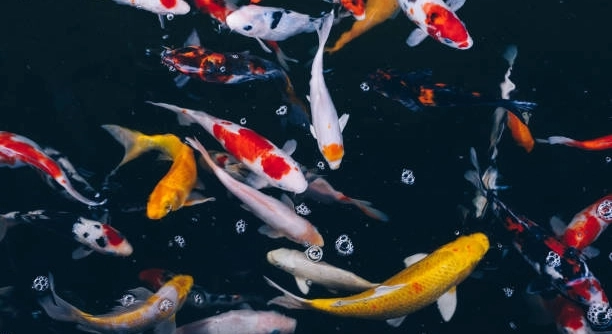
Koi fish are popular in many ponds and water gardens because of their bright colors and graceful movements. Their care often includes attention to water quality, food, and environment. Light conditions at night are one aspect some owners consider important for koi health.
Koi fish do not require light at night for their survival or wellbeing. Prolonged exposure to artificial light can disrupt their natural sleep cycle and stress the fish. However, limited lighting may assist in pond visibility and aesthetic appeal without harming the fish.
Understanding the effects of night lighting on koi can improve pond management and fish health. The following sections will present the advantages and disadvantages of providing light at night for koi fish.
Benefits of Providing Light to Koi Fish at Night
Adding light to a koi pond at night can offer some practical benefits. First, it enhances the visual appeal of the pond, allowing the vibrant colors of the koi to be seen even after dark. This can make the outdoor space more enjoyable during evening hours. Additionally, lighting helps with pond maintenance by making it easier to spot debris, algae buildup, or any issues with the fish. It can also improve safety around the pond, reducing the risk of accidental falls. From a biological perspective, a small amount of light may help koi adjust gradually during dusk and dawn, preventing sudden changes that could stress them. However, it is important to avoid overly bright or continuous lighting, as this can disturb the natural environment and fish behavior.
Careful lighting can improve pond visibility and aesthetics without harming koi health when used thoughtfully and in moderation.
Balancing the amount and timing of light exposure is key to maximizing these benefits while minimizing any negative effects on koi fish. Using dim, warm-toned lights with timers ensures fish experience darkness for rest while still gaining the advantages of nighttime illumination.
Risks of Lighting Koi Ponds at Night
Artificial light at night can disrupt koi fish’s natural circadian rhythms. Constant exposure to bright light may cause stress, which weakens their immune system and can lead to illness. Extended light periods interfere with their sleep, necessary for proper growth and repair. It can also encourage unwanted algae growth in the pond, leading to water quality problems that affect fish health. Some types of lighting produce heat or UV rays, which may alter water temperature or damage sensitive fish tissues. Moreover, predators attracted by light could pose a threat to koi at night. To protect the fish, it is best to avoid overly bright or continuous lighting and to mimic natural day-night cycles as closely as possible.
Limiting light exposure at night helps maintain a healthy environment for koi fish and prevents disturbances to their natural behaviors.
Choosing lighting that is gentle, indirect, and on a timer reduces risks, ensuring koi remain comfortable and safe while still allowing owners to enjoy their pond after dark.
Types of Lighting Suitable for Koi Ponds
Soft, indirect lighting works best for koi ponds. Avoid harsh or bright lights that can disturb fish. LED lights are a popular choice due to their energy efficiency and adjustable brightness.
LED lights produce minimal heat, which helps maintain stable water temperatures. They can be set to emit warm tones that mimic natural light. Solar-powered LEDs offer an eco-friendly option with easy installation. Submersible LED lights placed at the pond’s bottom create a gentle glow without overwhelming the fish. Colored lights can add ambiance but should be used sparingly to avoid stressing koi. Timers are essential to control lighting duration and maintain a natural day-night cycle.
Using appropriate lighting types reduces stress on koi and enhances the pond’s appearance safely. Avoid incandescent or halogen bulbs as they generate heat and may alter water temperature, potentially harming fish.
Impact of Light on Koi Behavior
Koi rely on natural light cycles to regulate feeding, breeding, and resting behaviors. Artificial light at night can confuse their internal clocks, causing irregular activity patterns. This disruption may lead to less feeding during the day and increased stress. Rest periods are crucial for koi’s health, and extended lighting can prevent them from fully resting. However, brief, low-intensity light during night hours has minimal impact if controlled properly. Monitoring koi behavior after introducing night lighting helps ensure their comfort and wellbeing. Adjustments can be made to lighting schedules or intensity based on observed responses, promoting a balanced environment. Proper lighting supports natural behavior while allowing nighttime enjoyment of the pond area.
How to Install Night Lighting in Koi Ponds
Installing night lighting requires careful planning to avoid disturbing koi. Place lights away from direct water contact unless they are waterproof LEDs designed for ponds. Use timers to limit light exposure.
Choose spots that highlight pond features and koi movement without shining directly on the fish. Proper installation ensures safety and effective illumination without stressing the koi.
Maintenance Tips for Night Lighting
Regularly check lights for damage or water intrusion. Clean fixtures to prevent algae buildup that reduces light quality. Replace bulbs promptly to maintain consistent lighting.
Timely maintenance keeps lighting safe for koi and preserves the pond’s aesthetic. Consistent upkeep prevents unexpected problems affecting fish health and pond appearance.
Light and Algae Growth in Koi Ponds
Excessive night lighting promotes algae growth by extending photosynthesis hours. This can degrade water quality and create oxygen imbalances harmful to koi. Managing light duration helps control algae and supports a healthier pond environment.
Choosing Timers for Koi Pond Lighting
Timers automate lighting schedules, ensuring koi get proper darkness for rest. Digital timers offer precise control over lighting periods and intensity. This helps mimic natural light cycles, reducing stress on fish and maintaining pond balance.
Do koi fish need light at night to survive?
Koi fish do not need light at night to survive. They are accustomed to natural day and night cycles, which include periods of darkness. Light at night can interfere with their natural rhythms and cause stress. Providing darkness allows koi to rest properly, which is important for their overall health.
Can too much light harm koi fish?
Yes, too much light, especially bright artificial light at night, can harm koi fish. Excessive lighting disrupts their natural sleep patterns and may cause stress. Stress weakens their immune system, making them more vulnerable to disease. It also encourages algae growth, which negatively affects water quality and koi health.
Is it okay to use colored lights in a koi pond?
Colored lights can be used in koi ponds but should be applied sparingly. Bright or rapidly changing colors might stress the fish. Soft, warm colors that mimic natural light are better choices. It is important to monitor koi behavior to ensure the lighting does not cause discomfort or unusual activity.
How long should koi pond lights stay on at night?
Koi pond lights should be on only for a limited time, usually no more than a few hours after sunset. Using timers to turn lights off during late night hours helps maintain natural darkness for the fish. This supports their natural sleep cycles and reduces stress.
Can night lighting affect koi feeding habits?
Yes, night lighting can affect koi feeding habits by disrupting their internal clocks. Koi are more active and feed during daylight hours. Artificial light at night may confuse them, causing irregular feeding times and potentially leading to overeating or reduced appetite during the day.
What type of lighting is safest for koi ponds?
LED lights are the safest option for koi ponds. They produce minimal heat, consume less energy, and can be adjusted for brightness and color temperature. Waterproof submersible LEDs are ideal for underwater use, providing gentle illumination without disturbing the fish.
Should koi ponds be completely dark at night?
Koi ponds do not have to be completely dark at night, but they should have long periods of darkness. Brief, low-level lighting is acceptable if it does not disrupt the fish. Maintaining a natural light-dark cycle is more important than total darkness.
How does light affect algae growth in koi ponds?
Light stimulates algae growth by providing energy for photosynthesis. Prolonged artificial lighting at night extends algae’s growing period, which can cause blooms that reduce oxygen and degrade water quality. Controlling light duration helps manage algae levels and keeps the pond environment healthy.
Can koi adapt to night lighting over time?
Koi may show some adaptation to consistent, low-level night lighting, but this does not eliminate the negative effects. Their natural biology depends on darkness to regulate important processes like rest and immune function. It is best to limit night lighting to protect their health long-term.
Is it necessary to install timers for koi pond lighting?
Timers are highly recommended for koi pond lighting. They ensure lights are on only when needed and off during natural dark periods. This prevents overexposure to light, reduces energy waste, and helps maintain the fish’s natural rhythms without constant human supervision.
What happens if koi don’t get enough darkness?
Without enough darkness, koi may experience stress, poor sleep, and weakened immune responses. Lack of rest can affect growth and increase susceptibility to diseases. Consistent darkness supports healthy behavior and biological functions necessary for koi wellbeing.
Are solar-powered lights good for koi ponds?
Solar-powered lights are a good option for koi ponds because they are energy-efficient and easy to install without wiring. However, their brightness and duration depend on sunlight availability. Choosing solar lights with adjustable settings and timers helps maintain appropriate lighting levels.
Can night lighting improve pond safety?
Yes, night lighting can improve safety by illuminating pond edges and walkways, reducing the risk of accidents. Using low-intensity, well-placed lights achieves this without causing stress to koi. Safety lighting should focus on surrounding areas rather than shining directly into the water.
Does light at night affect koi breeding?
Light at night can interfere with koi breeding cycles by disrupting hormonal signals controlled by day-length changes. Maintaining natural light patterns supports regular breeding behavior. Artificial lighting should be minimized during breeding season to avoid negative impacts.
How can I monitor if my koi are stressed by lighting?
Signs of stress from lighting include erratic swimming, hiding, reduced appetite, and color fading. Observing koi behavior regularly after installing night lighting helps detect issues early. Adjust lighting intensity, duration, or placement if koi show signs of discomfort.
Final thoughts on lighting koi ponds at night focus on balancing the needs of the fish with the desire to enjoy the pond’s beauty after dark. Koi do not require light at night for their survival, and in fact, extended exposure to artificial lighting can disrupt their natural behaviors. Providing too much light during nighttime hours may cause stress and interfere with their rest cycles. Rest is essential for koi health, helping them maintain a strong immune system and overall wellbeing. Therefore, any lighting used at night should be carefully controlled in terms of brightness and duration to minimize impact on the fish.
Using gentle, low-intensity lighting can enhance the pond’s appearance while respecting the koi’s natural rhythms. LED lights are a good choice because they produce minimal heat and allow for adjustable brightness. Timers are an important tool to automate lighting schedules, ensuring the pond receives darkness for the majority of the night. Darkness helps regulate koi behavior, including feeding, resting, and breeding. In addition to supporting the fish’s health, controlling light exposure can help prevent excessive algae growth, which can harm water quality. Proper placement of lights, avoiding direct exposure on the fish, further reduces the chance of stress or behavioral changes.
Ultimately, pond owners should prioritize the koi’s needs when considering night lighting. While it is tempting to keep the pond brightly lit for extended periods, doing so can negatively affect the fish. A balanced approach uses soft, limited lighting and respects natural day-night cycles. Regular monitoring of koi behavior after adding lighting will indicate whether adjustments are needed. Maintaining a healthy, stress-free environment for koi ensures their long-term vitality and allows owners to enjoy the pond’s beauty both day and night. Taking these factors into account will help create a pond setup that is both visually pleasing and supportive of koi health.

Hello,
If you enjoy the content that we create, please consider saying a "Thank You!" by leaving a tip.
Every little bit helps us continue crafting quality advice that supports the health, happiness, and well-being of pets around the world, for pets of all shapes, sizes, and species.
We really appreciate the kindness and support that you show us!