
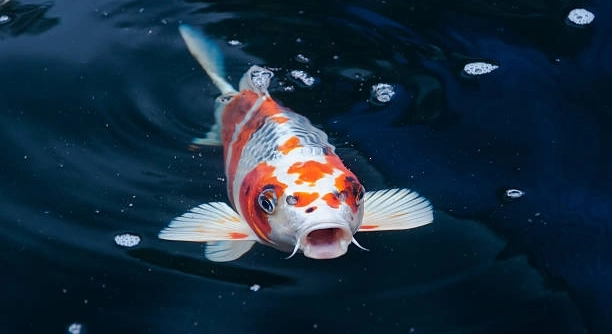
Do you ever find yourself wondering about the behavior of koi fish, especially how they care for their young? Many koi owners want to know what happens when these colorful fish share a pond with their babies. Understanding this can help keep your koi healthy.
Koi fish sometimes eat their young, especially in crowded or stressful environments. This behavior is not constant but occurs mainly when the adults are hungry or feel threatened. Proper care and space can reduce this natural instinct.
Knowing more about koi fish and their habits can help you create a better home for them. It also explains why careful management is important when raising koi fry in your pond.
Why Do Koi Fish Eat Their Young?
Koi fish eating their young is mainly driven by instinct and survival needs. In nature, adult koi sometimes see their fry as competition for food or space. When food is scarce, the adults might eat the smaller fish to gain nutrients. Stress also plays a big role; crowded tanks or ponds can cause aggression, leading to this behavior. Temperature and water quality affect how koi act toward their young too. Warmer water can increase their metabolism, making them more likely to hunt fry. When koi are well-fed and have enough room, this behavior happens less often. Some koi are more tolerant than others, but it’s natural for fish to protect resources. Managing the environment carefully helps reduce the chances of adults eating their young, allowing more fry to grow safely.
Controlling feeding times and providing hiding spaces helps keep young koi safe from adults.
Adult koi may not always recognize their offspring, which can increase the risk of them being eaten. Creating a peaceful pond environment is key to helping young koi survive. Using plants, floating barriers, or separate tanks for fry can protect them until they grow larger. This separation reduces stress and prevents adults from seeing fry as food. Regular monitoring and good water care also support healthy behavior. By understanding these factors, koi keepers can improve survival rates for their young fish and enjoy watching them grow.
How to Prevent Koi from Eating Their Young
Separating fry from adult koi is the most effective way to prevent them from being eaten. Using a breeding tank or a mesh enclosure within the main pond gives the young fish a safe space to grow without risk.
Providing plenty of hiding spots like plants, rocks, and floating barriers helps fry avoid adult koi. Feeding adults well reduces their hunger-driven aggression. Regular water changes and maintaining good water quality lower stress levels, which can otherwise increase aggressive behavior. Monitoring your pond daily lets you catch problems early before they affect the fry.
Using fine mesh nets or breeding traps can keep young koi physically apart while allowing water flow. This method helps fry grow without the threat of being eaten. Once they grow large enough, they can be gradually introduced back to the main pond, minimizing risk and stress.
Feeding Practices to Reduce Fry Predation
Feeding adult koi frequently and with high-quality food lowers their chance of hunting fry. Adults that are well-fed tend to be less aggressive and less likely to see young fish as food.
Offering small amounts multiple times a day mimics natural feeding patterns, reducing competition for food. Additionally, providing sinking pellets and feeding near hiding areas encourages adults to focus on their food instead of fry. It’s important to avoid overfeeding, as this can harm water quality and stress fish. Balanced feeding keeps your koi healthy and calmer, helping fry survive in the same pond environment.
Signs That Adult Koi May Eat Their Fry
Adult koi showing increased aggression or chasing behavior can be a warning sign. If fry are hiding more than usual, it may mean they feel threatened.
Watch for adults circling or snapping at fry. These actions often lead to predation if not managed quickly.
Best Pond Setup for Raising Fry
A good pond setup includes separate areas or compartments where fry can stay safe. Using floating plants and plenty of cover gives young koi places to hide. Clean, well-oxygenated water is essential for fry health. A pond with gentle filtration and stable temperature helps reduce stress on both adults and fry. It’s important to avoid overcrowding, as too many fish increase competition and aggression. A carefully planned setup improves survival rates and supports healthy growth for all koi in the pond.
Common Mistakes to Avoid
Overcrowding the pond can cause stress and increase fry predation.
FAQ
Do koi fish always eat their young?
No, koi fish do not always eat their young. This behavior depends on factors like food availability, space, and stress levels. Well-fed koi in spacious, calm environments are much less likely to prey on their fry. However, in crowded or stressful conditions, adults may eat smaller fish as a survival instinct.
How can I protect koi fry in a pond?
The best way to protect koi fry is by separating them from adult fish using breeding tanks or mesh cages inside the pond. Adding plenty of hiding spots like plants and rocks also helps. Regular feeding and good water quality reduce adult aggression, making the environment safer for fry.
At what size can koi fry safely join the main pond?
Koi fry can usually join the main pond when they reach about 3 to 4 inches in length. At this size, they are less likely to be seen as food by adults. Gradual introduction helps them adjust to the new environment and lowers stress for all fish.
Why do adult koi sometimes attack each other?
Adult koi can become aggressive due to overcrowding, poor water quality, or competition for food and territory. Stressful conditions increase aggression, which can also lead to attacks on fry. Ensuring enough space, clean water, and proper feeding reduces conflicts.
Can koi recognize their own young?
Koi generally do not recognize their own offspring. They may treat fry the same as any other small fish, which can lead to accidental predation. This is why separating fry is important to improve their survival chances.
What kind of food helps reduce adult koi aggression?
High-quality pellets with balanced nutrients fed several times a day keep adult koi well-fed and less likely to hunt fry. Offering sinking pellets near hiding spots encourages adults to focus on food rather than fry. Avoid overfeeding to keep water clean and fish healthy.
How important is water temperature for koi behavior?
Water temperature affects koi metabolism and activity levels. Warmer water can increase appetite and aggression, making adults more likely to eat fry. Keeping the pond temperature stable and within ideal ranges helps reduce stress and aggressive behavior.
Can plants help protect koi fry?
Yes, plants provide essential cover for fry to hide from adults. Floating plants, submerged grasses, and dense foliage create safe zones. They also improve water quality and oxygen levels, supporting healthy growth for both fry and adults.
Is it okay to leave fry in the main pond without protection?
Leaving fry unprotected in the main pond increases their risk of being eaten by adult koi. Providing separate areas or protective barriers is important until fry grow larger and more resilient.
How often should I feed koi when raising fry?
Feeding adult koi small amounts multiple times a day mimics natural behavior and keeps them satisfied. This reduces competition and aggression. Fry need specially formulated foods offered more frequently to support fast growth and health.
What signs show that koi fry are healthy?
Healthy koi fry are active, swimming freely, and eating well. They have clear eyes, smooth scales, and no signs of disease like spots or swelling. Consistent growth and bright colors are also good indicators of health.
Can koi fry survive without adult koi in the pond?
Yes, koi fry can survive and thrive without adult koi nearby. Removing adults or keeping fry in separate tanks greatly increases their survival chances. It allows fry to grow in a stress-free environment until they’re big enough to join the main pond.
What happens if koi fry are stressed?
Stressed fry may stop eating, become lethargic, or develop diseases. Stress can be caused by poor water quality, overcrowding, or constant threat from adults. Reducing stress factors is key to raising healthy young koi.
Final Thoughts
Raising koi fish can be a rewarding experience, but it comes with challenges, especially when it comes to caring for their young. One important thing to remember is that adult koi sometimes eat their fry. This behavior is natural and mostly happens when the adults are stressed, hungry, or the pond is too crowded. Understanding why this happens helps koi keepers create better environments for their fish. By giving the koi enough space, proper food, and places for the young to hide, it is possible to reduce the chances of adults eating the fry.
Protecting koi fry requires some effort and attention. Separating the young fish from the adults, even temporarily, is one of the best ways to keep them safe. This can be done using breeding tanks or special enclosures inside the pond. Adding plants and other hiding spots also helps the fry avoid danger. Feeding the adult koi well and often lowers their hunger and reduces aggression, making the pond a calmer place. Good water quality and regular pond maintenance play an important role in keeping all koi healthy and less stressed. These small steps can lead to higher survival rates and stronger young koi.
Taking care of koi fish means learning about their habits and needs. While it might seem difficult at first, once the right conditions are in place, the koi will thrive. The goal is to balance the needs of both adults and fry so that everyone has a chance to grow and live peacefully. Watching your koi develop from tiny fry to beautiful adult fish can be very satisfying. With patience and proper care, it is possible to enjoy a lively, healthy pond filled with happy koi for years to come.

Hello,
If you enjoy the content that we create, please consider saying a "Thank You!" by leaving a tip.
Every little bit helps us continue crafting quality advice that supports the health, happiness, and well-being of pets around the world, for pets of all shapes, sizes, and species.
We really appreciate the kindness and support that you show us!