
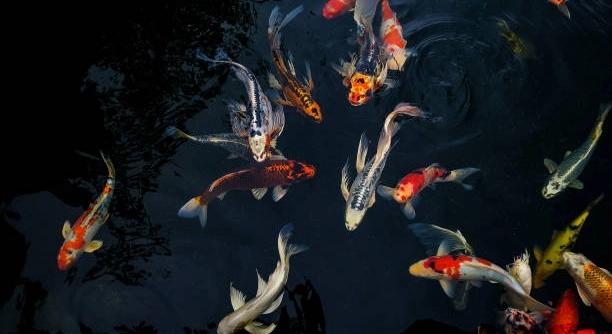
Koi fish are beautiful additions to any pond, but like all pets, they can fall ill. Recognizing signs of sickness early and knowing how to respond is important to protect their health. This article offers practical advice for koi care.
Properly handling a sick koi fish involves identifying symptoms, isolating the fish, maintaining water quality, providing appropriate medication, and monitoring recovery closely. These steps are essential to support the fish’s healing and prevent the spread of disease in the pond environment.
These seven essential steps provide clear guidance on caring for sick koi fish and protecting the overall pond ecosystem. Following them helps ensure your koi remain healthy and vibrant.
Identifying Symptoms of a Sick Koi Fish
Recognizing when a koi fish is unwell is the first step in providing proper care. Common signs include lethargy, loss of appetite, clamped fins, abnormal swimming patterns, and visible spots or wounds on the body. Changes in color, rapid breathing, or rubbing against objects can also indicate illness. Observing these symptoms early allows for quicker intervention, reducing the risk of serious complications. It is important to check the fish regularly, especially during seasonal changes when stress and illness become more common. Taking notes on behavior and physical appearance helps track any changes over time. This can also assist in explaining the problem if professional advice is needed. Early detection plays a crucial role in recovery.
Monitoring koi health requires attentiveness and patience. Regular pond checks improve your ability to spot problems before they worsen.
Keeping a detailed record of symptoms will guide you when selecting treatment options. This will also prevent unnecessary stress on the fish by applying the wrong remedies.
Isolating the Sick Fish
Separating the sick koi from the rest of the pond is essential to stop illness from spreading. A quarantine tank or container with clean, properly conditioned water should be prepared beforehand. This isolated environment allows closer monitoring and easier administration of medication if needed. The water temperature and quality should match the main pond to reduce additional stress. Keep the quarantine tank well aerated and clean, changing water regularly to maintain optimal conditions. Handling the fish gently during transfer will prevent further injury. Isolation is a preventive measure that protects healthy fish and gives the sick koi a controlled space to recover.
Isolating sick fish minimizes disease transmission. This containment is vital for effective treatment and protecting other koi.
Maintaining Water Quality for Recovery
Water quality directly affects koi health and recovery speed. Poor water conditions weaken the fish’s immune system and prolong illness. It is important to regularly test for ammonia, nitrite, nitrate levels, pH, and temperature. Keeping ammonia and nitrite near zero reduces stress and toxicity. The pH should remain stable, ideally between 7.0 and 8.5, depending on your pond setup. Temperature consistency is also key; avoid sudden fluctuations that can shock the fish. Perform partial water changes often to dilute waste and maintain cleanliness. Using a high-quality filtration system supports these efforts. Avoid overcrowding in both the main pond and quarantine tank to reduce waste buildup. Clean water helps the koi’s body focus on healing rather than battling environmental stressors.
Good water conditions create an environment where koi can fight illness effectively. Proper maintenance supports the success of any treatment plan.
In addition to chemical balance, oxygen levels must be sufficient to support recovery. Adding aerators or air stones improves oxygen supply, especially in smaller quarantine tanks. Monitoring water hardness may also be necessary, depending on local water sources. Preventive care through water management is as important as medication in restoring koi health.
Administering Medication Correctly
Medication for koi should be used carefully and only when necessary. Overusing treatments can harm fish and disrupt pond ecology. Follow the instructions on any medicine regarding dosage, frequency, and duration. Some common treatments address parasites, bacterial infections, or fungal growth. It is often best to treat the isolated fish in the quarantine tank to avoid contaminating the whole pond. Keep track of how the koi responds and adjust treatment only with professional guidance. Always remove uneaten medicine or food to prevent water quality issues. Using clean tools and hands when handling medication prevents introducing additional pathogens. Proper medication supports healing without causing new problems.
Administer medicine precisely and responsibly. Correct use is crucial to recovery and pond health.
Monitoring and Supporting Recovery
After beginning treatment, observe the koi daily for changes in behavior and symptoms. Improvement signs include increased activity, appetite return, and fading of spots or wounds. If the fish shows no progress or worsens, reconsider treatment and consult an expert. Maintain stable water conditions and avoid stressors like sudden temperature shifts or overcrowding. Feeding nutritious food in small amounts helps strengthen the immune system but avoid overfeeding. Gradually reintroduce the koi to the main pond once fully recovered and water conditions are stable. Patience during recovery reduces the risk of relapse and supports long-term health.
Careful monitoring is key to effective recovery. Adjust care based on how the fish responds.
Preventing Future Illness
Preventing disease involves regular pond maintenance and good care practices. Keep water clean and well-filtered. Avoid overcrowding and feed high-quality food in proper amounts. Quarantine new fish before adding them to the pond to avoid introducing infections. Seasonal changes require extra attention, as koi are more vulnerable during temperature shifts. Removing debris and controlling algae growth also helps maintain a healthy environment. A balanced ecosystem with plants and beneficial bacteria supports koi health naturally. Staying vigilant about water quality and fish behavior prevents many common illnesses before they start.
Consistent care lowers the chance of sickness. Prevention is simpler than treatment.
Conclusion
Handling a sick koi requires quick action and careful care. Identifying symptoms, isolating the fish, maintaining water quality, administering medication correctly, and monitoring recovery are all necessary steps. Good pond management helps prevent illness and keeps koi healthy long-term. Following these guidelines ensures your koi receive the best chance for recovery and continued vitality.
Feeding a Sick Koi
Feeding a sick koi requires caution. Overfeeding or offering poor-quality food can worsen their condition. Offer small amounts of easily digestible food to support recovery without stressing their digestive system.
During illness, koi’s appetite often decreases. It is important to provide nutritious, high-quality food in small portions, avoiding excess that pollutes the water. Specialized medicated food may be used if recommended by a veterinarian. Avoid sudden changes in diet, as this can add stress. Feeding less frequently but more often can help stimulate appetite and reduce waste buildup in the pond or quarantine tank. Always remove uneaten food promptly to maintain water quality and prevent further health issues.
Sometimes fasting the fish for one or two days can aid recovery, especially if digestive problems are suspected. After this period, gradually reintroduce food, monitoring the fish’s response carefully. Maintaining a balanced diet rich in vitamins and minerals supports the immune system, speeding healing and preventing secondary infections. Proper feeding during illness is an essential part of care.
Handling Stress in Sick Koi
Stress worsens illness in koi and slows recovery. Minimizing stress helps strengthen their immune response and improves treatment success. Avoid sudden movements, loud noises, or overcrowding in the pond or quarantine tank.
Maintain a calm and stable environment for sick koi by reducing disturbances. Provide plenty of hiding places or shaded areas to help the fish feel secure. Avoid handling the fish more than necessary, as this can cause additional stress and injury. Keeping water parameters steady and appropriate is another key factor in reducing stress. Any changes to the environment should be slow and gradual. Stress management enhances the effectiveness of medication and promotes faster healing. Prioritize creating a peaceful setting to give your koi the best chance to recover.
Keeping the Quarantine Tank Clean
Maintaining cleanliness in the quarantine tank is critical. Dirty water can prolong illness and introduce new problems. Frequent water changes help keep ammonia and nitrite levels low.
Remove uneaten food and waste daily. This prevents toxins from building up and supports a healthy environment for recovery.
Checking Water Temperature
Stable water temperature reduces stress on sick koi. Sudden fluctuations can weaken their immune system and worsen symptoms. Use a reliable heater or chiller to maintain consistent conditions in the quarantine tank.
Monitor temperature closely, aiming for the range best suited to your koi species, usually between 68°F and 77°F.
Avoiding Overcrowding
Overcrowding increases stress and waste, worsening water quality. Keep the quarantine tank spacious enough to allow the sick koi to move freely. Avoid placing multiple fish together unless necessary and closely monitor interactions.
Handling Fin Rot
Fin rot appears as ragged or disintegrating fins, often caused by bacterial infection. Prompt treatment with antibiotics or antibacterial medications is necessary to stop progression and encourage regrowth.
FAQ
How do I know if my koi fish is sick?
Look for signs like lethargy, loss of appetite, clamped fins, abnormal swimming, or visible spots and wounds. Changes in color or rapid breathing also suggest illness. Regular observation helps detect problems early before they worsen.
What should I do if my koi fish is sick?
First, isolate the fish in a quarantine tank to prevent spreading disease. Maintain clean water with stable temperature and good oxygen levels. Administer medication as needed, following instructions carefully. Monitor symptoms and adjust care based on recovery progress.
How often should I change water in the quarantine tank?
Change about 20-30% of the water every day or every other day, depending on water quality. Frequent changes reduce toxins like ammonia and nitrites that stress the fish and slow healing. Use dechlorinated water at matching temperature.
Can I treat my koi fish with over-the-counter medicine?
Some basic treatments are available without prescription, but it is best to identify the specific problem before using medicine. Overuse or incorrect use can harm the fish or pond ecosystem. Consult a professional for accurate diagnosis and treatment advice.
Is it normal for a sick koi to stop eating?
Yes, reduced appetite is common during illness. Offer small amounts of easy-to-digest food, and consider fasting for a day or two if digestive issues are suspected. Always remove uneaten food to keep water clean.
How long does it take for a sick koi to recover?
Recovery time varies depending on the illness and treatment. Mild conditions may improve within a week, while severe infections can take several weeks. Patience and consistent care are essential for full recovery.
Can I prevent my koi from getting sick?
Preventive care is crucial. Maintain good water quality, avoid overcrowding, feed a balanced diet, and quarantine new fish before adding them to your pond. Regular pond maintenance and monitoring reduce the risk of disease.
What temperature is best for sick koi fish?
Keep water temperature stable, ideally between 68°F and 77°F. Avoid sudden changes, as temperature swings stress the fish and slow healing. Adjust heaters or chillers carefully to maintain this range.
How do I reduce stress for a sick koi?
Provide a quiet, stable environment with minimal handling. Include hiding places or shaded areas in the quarantine tank. Avoid overcrowding and keep water parameters steady to reduce stress. Stress management supports recovery.
What are common diseases in koi fish?
Common issues include fin rot, ich (white spot disease), bacterial infections, fungal infections, and parasites. Each requires specific treatment, making correct diagnosis important for successful care.
Can I keep a sick koi in the main pond?
It is not recommended. Sick fish should be isolated to protect healthy koi and allow better treatment control. Keeping them separate reduces disease spread and makes monitoring easier.
How do I treat fin rot in koi?
Use antibacterial medication in a quarantine tank. Maintain clean water and stable conditions. Remove any damaged tissue if recommended by a veterinarian. Treatment should continue until fins show clear regrowth.
Should I change the diet during koi illness?
Yes. Provide easily digestible, high-quality food in small amounts. Avoid overfeeding to prevent water pollution. Medicated food may be used if advised by a specialist.
How important is water oxygenation for sick koi?
Very important. Sick koi need sufficient oxygen to support their immune system and recovery. Use aerators or air stones to maintain good oxygen levels, especially in quarantine tanks.
When should I call a professional for my sick koi?
If symptoms worsen despite treatment, the illness lasts longer than expected, or you are unsure about diagnosis or medication, seek expert advice. Early professional intervention can save your fish.
Final Thoughts
Caring for a sick koi fish requires patience and attention to detail. Illness in koi can be caused by many factors, including poor water quality, stress, and infections. It is important to observe your fish regularly and take action at the first sign of trouble. Isolating the sick koi in a quarantine tank helps prevent the spread of disease and makes treatment easier to manage. Maintaining clean water, stable temperature, and proper oxygen levels are essential parts of supporting your fish’s recovery. Small changes in care can make a big difference in improving their health.
Feeding plays an important role during illness. Sick koi often lose their appetite or have difficulty digesting regular food. Offering small amounts of easily digestible food can help them maintain energy without adding stress. Avoid overfeeding, as leftover food can pollute the water and worsen the condition. Sometimes fasting the fish for a day or two may help with digestive issues. It is also critical to reduce stress by minimizing handling, providing a calm environment, and avoiding overcrowding. Stress weakens the immune system and slows healing.
Recovery time varies depending on the illness and treatment used. Some koi heal quickly with proper care, while others may take several weeks to fully recover. Consistency in water maintenance, feeding, and medication is necessary throughout this period. Keeping an eye on water quality and fish behavior will guide you in adjusting care as needed. If the condition does not improve or worsens, consulting a professional is recommended. Preventing illness in the future through good pond management and regular monitoring can help keep your koi healthy for years to come.

Hello,
If you enjoy the content that we create, please consider saying a "Thank You!" by leaving a tip.
Every little bit helps us continue crafting quality advice that supports the health, happiness, and well-being of pets around the world, for pets of all shapes, sizes, and species.
We really appreciate the kindness and support that you show us!