
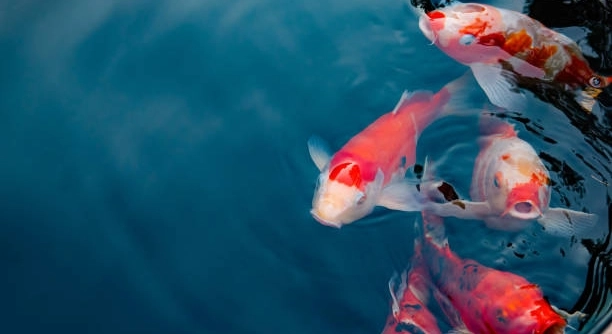
Koi fish are beautiful and popular pets for many pond owners. Feeding them properly helps keep them healthy and vibrant. However, there are certain times when feeding koi is not a good idea.
Feeding koi fish at inappropriate times can cause health problems, water quality issues, and stress. Avoid feeding them during cold weather, right after cleaning the pond, or when they are inactive. Proper timing is essential to maintain their well-being.
Knowing when not to feed your koi is important for their long-term health. This guide will help you avoid common mistakes and keep your fish thriving.
When Water Temperature is Too Low
Koi fish are cold-blooded animals, so their metabolism depends heavily on the water temperature. When the temperature drops below 50°F (10°C), their digestion slows down significantly. Feeding them at this time can lead to uneaten food sitting in the pond, which pollutes the water and causes harmful bacteria to grow. Additionally, koi may not be able to process the food properly, which can result in health issues like swim bladder problems or internal infections. It’s best to stop feeding your koi when the water is cold and only resume once temperatures rise and they become active again.
Cold water slows down koi metabolism and digestion, making feeding risky and unhealthy during these times.
To care for koi properly during colder months, reduce feeding gradually as temperatures fall. Offer small amounts of easy-to-digest food before stopping completely when it gets too cold. This helps protect your fish and keeps the pond environment cleaner throughout the season.
After Cleaning the Pond
Feeding koi immediately after cleaning the pond is not recommended. When the pond is cleaned, beneficial bacteria and natural food sources may be temporarily disrupted. This change can stress the fish and upset the water balance.
After cleaning, koi need time to adjust and rebuild their natural environment. Feeding too soon can lead to leftover food decomposing, increasing ammonia levels and harming fish health. Wait at least 24 hours before offering food again. This pause allows beneficial bacteria to stabilize and the water quality to recover. Feeding at the right time after maintenance keeps koi healthy and water clear.
Avoiding feeding right after cleaning prevents water pollution and supports a balanced pond ecosystem. Patience during this period helps maintain a safe, healthy environment for your koi fish.
When Koi Are Inactive
Koi fish become less active when they feel stressed or tired. During these times, feeding them is not helpful and may cause more harm than good.
When koi are inactive, their bodies do not process food well. Feeding them can lead to uneaten food settling in the pond, which can pollute the water. This can cause health issues like digestive problems or water quality decline. It is best to wait until the fish are swimming and active before feeding. Observing their behavior helps decide the right feeding times.
Inactive koi often show signs like slow movements or staying near the bottom of the pond. This behavior means their metabolism has slowed, and they need rest, not food. Feeding during inactivity disrupts their natural cycle and can make them sick. Patience is key to their health and recovery.
During Algae Blooms
Algae blooms reduce oxygen levels and change water quality. Feeding koi during these periods can worsen the problem.
Excess food adds nutrients to the water, which feeds algae growth and further decreases oxygen. This creates a stressful environment for koi, leading to possible illness or death. Feeding should be limited or stopped during heavy algae blooms.
Algae blooms often occur due to warm weather and excess nutrients in the pond. Managing feeding helps control nutrient buildup. You can also improve water circulation and use plants to compete with algae. Taking these steps protects koi and balances the pond ecosystem naturally.
During Heavy Rain
Heavy rain can lower the pond’s temperature and disturb water quality. Feeding koi at this time can cause stress and poor digestion.
Rainwater may also wash debris and pollutants into the pond, making the environment unstable. Avoid feeding until the water clears and conditions improve.
When Koi Are Sick
Feeding sick koi can worsen their condition. Ill fish often lose appetite, so forcing food can cause digestive issues.
Providing clean water and a stress-free environment is more important. Consult a vet or fish expert for proper care and feeding advice during illness.
At Night
Koi are less active at night and do not need food. Feeding after dark can lead to leftover food spoiling in the pond.
Avoid feeding koi in the evening to maintain water quality and keep fish healthy.
Why should I avoid feeding koi when the water is cold?
Koi are cold-blooded, so their digestion slows down when the water temperature drops below about 50°F (10°C). Feeding them at this time can lead to uneaten food sinking to the bottom, which pollutes the pond. The koi’s metabolism isn’t strong enough to properly digest the food, which can cause health issues like digestive upset or swim bladder problems. It’s best to wait until the water warms up and the fish become more active before feeding again. This helps keep both your koi and pond healthier.
Can feeding koi after pond cleaning harm them?
Yes, feeding koi immediately after cleaning the pond can cause problems. When the pond is cleaned, beneficial bacteria that help break down waste may be temporarily reduced. Feeding too soon can leave extra food in the water, increasing ammonia and other harmful chemicals. This stresses the fish and affects water quality. Waiting at least 24 hours after cleaning before feeding allows the pond’s natural balance to return, keeping the fish safe and healthy.
What happens if I feed koi during algae blooms?
Feeding koi during algae blooms can make the problem worse. Algae blooms already lower oxygen levels and add toxins to the water. Extra food adds nutrients that feed the algae, causing it to grow even more. This further decreases oxygen and makes the pond environment stressful or dangerous for koi. Limiting or stopping feeding during blooms helps reduce nutrient buildup. Improving pond circulation and adding plants can also help control algae naturally and protect your fish.
How do I know when koi are inactive and should not be fed?
Koi show inactivity by moving slowly, staying near the pond bottom, or hiding. This usually means their metabolism has slowed, often due to cold water, stress, or illness. Feeding inactive koi can cause leftover food to pollute the pond and lead to digestive problems. It’s better to wait until koi swim actively and appear interested in food before feeding again. Watching your fish’s behavior daily helps you decide the right feeding times.
Is it safe to feed koi during heavy rain?
No, feeding koi during heavy rain is not safe. Rain can lower the pond’s temperature quickly and disturb water quality by adding dirt and chemicals. These changes stress the fish and slow their digestion. Feeding during this time can cause leftover food to rot, harming the pond environment. Wait until the rain stops and the water clears before feeding again. This keeps your koi healthy and your pond clean.
What should I do if my koi are sick and not eating?
If koi are sick and refuse food, do not force-feed them. Feeding sick fish can worsen their condition because their bodies cannot digest food properly. Focus on providing clean, well-oxygenated water and reducing stress. Consult a vet or fish care expert for proper diagnosis and treatment. They might recommend special diets or medications. Patience and proper care are key to helping koi recover.
Why should koi not be fed at night?
Koi are naturally less active at night and do not need food after dark. Feeding them in the evening often results in uneaten food sinking and decomposing, which harms water quality. To keep the pond healthy and fish well, feed koi only during daylight hours when they are active and able to eat properly.
How can I tell if my koi are hungry and ready to eat?
Koi show they are hungry by swimming near the surface, following you around the pond edge, or opening their mouths. They often become more lively and alert at feeding time. If your koi ignore food or swim away, they might not be hungry or may be stressed or sick. Feeding only when they actively seek food helps maintain their health and water quality.
Can overfeeding koi cause problems?
Yes, overfeeding is a common problem that leads to poor water quality and health issues. Extra food breaks down into harmful chemicals, increasing ammonia and nitrates. This can cause fish stress, illness, and even death. Overfeeding can also cause obesity and digestive problems in koi. Feeding small amounts that fish can eat in a few minutes is the best way to avoid these risks.
What is the best feeding schedule for koi?
The best feeding schedule depends on water temperature and koi activity. In warm weather (above 60°F or 15°C), feeding 1-2 times daily is good. In cooler weather, reduce feeding frequency and amount. Stop feeding altogether when water is below 50°F (10°C). Watch your koi’s behavior and adjust feeding based on their appetite and activity. Regular observation helps maintain their health and pond balance.
When caring for koi fish, knowing when not to feed them is just as important as knowing how to feed them. Feeding koi at the wrong time can cause many problems, both for the fish and the pond environment. Koi have specific needs based on their health, activity level, and water conditions. Paying attention to these signs helps avoid common mistakes that can harm the fish or lead to poor water quality. It is important to remember that koi are living creatures with changing needs, and adjusting their care throughout the year keeps them healthy and happy.
Cold water is one of the main reasons to stop feeding koi temporarily. When the temperature drops, their metabolism slows down, making it hard for them to digest food properly. Feeding koi during cold weather often leads to uneaten food, which pollutes the pond and can cause dangerous spikes in ammonia. Similarly, feeding after cleaning the pond or during algae blooms can disturb the water balance and harm the fish. These situations require patience, allowing the pond’s natural system to recover before offering food again. Observing koi behavior closely, such as when they are inactive or sick, is also key to knowing when to hold off feeding. Stress or illness affects their appetite and ability to process food safely.
In summary, feeding koi is not just about providing food daily but also about timing and understanding their environment. Avoid feeding during cold weather, after pond maintenance, heavy rain, algae blooms, or when fish are inactive or sick. Doing so protects your koi’s health and maintains a clean, balanced pond. Watching your fish and adjusting feeding habits based on their needs will help them thrive over time. Keeping these points in mind leads to a more enjoyable experience caring for koi and supports their long-term wellbeing.

Hello,
If you enjoy the content that we create, please consider saying a "Thank You!" by leaving a tip.
Every little bit helps us continue crafting quality advice that supports the health, happiness, and well-being of pets around the world, for pets of all shapes, sizes, and species.
We really appreciate the kindness and support that you show us!