
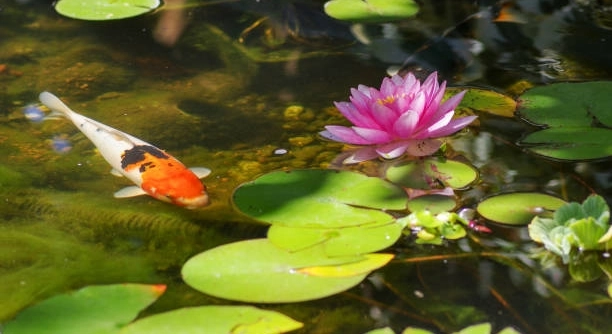
Foam sometimes appears on koi pond water, causing concern for pond owners. This article explains common reasons behind foam formation in simple terms to help you understand what might be happening in your pond environment.
Foam on koi pond water is mainly caused by organic matter breakdown, water agitation, protein buildup, poor filtration, water hardness, and environmental factors. These causes contribute to surface tension changes, leading to foam formation on the pond’s surface.
Knowing these causes will help you maintain a healthier pond and reduce foam buildup effectively. Keeping your koi pond clear is important for both the fish and the pond’s overall appearance.
Organic Matter Breakdown
Organic matter such as leaves, fish waste, and uneaten food often collects in koi ponds. When this material breaks down, it releases proteins and other compounds into the water. These substances can create foam when they interact with water movement or surface tension. The more organic debris present, the more likely foam will form on the pond surface. Regular cleaning and removing debris can reduce this effect. Even small amounts of decaying material can cause noticeable foam, especially if the pond’s filtration system isn’t handling it well. Paying attention to water quality and keeping the pond clean can help prevent excess foam caused by organic matter breakdown.
Foam from organic matter breakdown is usually white or light-colored and tends to appear more after heavy rain or pond disturbance.
Managing debris and improving filtration can greatly reduce foam caused by organic breakdown. Consistent pond maintenance is key to keeping the water clear and healthy for koi.
Water Agitation and Aeration
Water movement caused by pumps, waterfalls, or aerators increases oxygen levels but also stirs up surface tension. This agitation mixes proteins and organic compounds with air, which can create foam. Strong water flow or bubbles can trap these compounds at the surface, leading to visible foam. This foam is often temporary and may disappear when the water calms down. However, if combined with high organic content, it can persist and become more noticeable. Adjusting water flow or aeration intensity might help control foam formation while still keeping the pond well-oxygenated.
Water agitation is important for pond health but can contribute to foam buildup if not balanced properly.
Finding the right balance between water movement and calmness will help reduce foam while supporting a healthy environment for koi. Regular monitoring of your pond’s circulation can identify when adjustments are needed.
Protein Buildup
Protein buildup occurs when organic materials release proteins into the water. These proteins reduce the surface tension, making foam easier to form.
Overfeeding koi or having too many fish can increase protein levels in the pond. Uneaten food and fish waste break down into proteins that accumulate over time. If the filtration system can’t remove these proteins efficiently, they stay in the water and cause foam to develop. Testing water for protein content and adjusting feeding habits can help manage this issue. Regular water changes and using protein skimmers designed for ponds also reduce protein buildup, keeping foam under control.
Maintaining balanced feeding and good filtration limits protein buildup. This approach helps prevent excessive foam while keeping koi healthy and water clear. Consistency in pond care makes a big difference.
Poor Filtration
Poor filtration allows waste and particles to accumulate, contributing to foam. A weak or clogged filter reduces the pond’s ability to clean itself properly.
When filters don’t work well, organic debris stays suspended in the water longer, breaking down into compounds that cause foam. Mechanical filters may become blocked, and biological filters might not handle the load if the pond is overcrowded or under-maintained. Cleaning or upgrading the filtration system ensures better removal of debris and proteins. Filters must be sized correctly for the pond and fish population. Without proper filtration, foam can become a persistent problem that affects water quality and fish health. Checking filters regularly and performing maintenance keeps the pond clearer and reduces foam buildup.
Water Hardness
Water hardness affects how foam forms on the pond surface. Hard water contains minerals like calcium and magnesium, which can influence foam stability.
Higher mineral levels can cause bubbles to last longer, making foam more visible. Soft water tends to produce less persistent foam, as bubbles break down quickly. Testing water hardness helps understand how minerals impact foam and guides treatment choices if needed.
Environmental Factors
Temperature changes, weather conditions, and pollutants can affect foam in koi ponds. Warm weather speeds up organic breakdown, increasing foam risk. Rain can wash debris into the pond, adding to foam formation. Nearby pollutants or detergents may also cause foam by altering water chemistry.
Keeping an eye on the environment and avoiding chemical runoff helps maintain clearer water and less foam in the pond.
Summary of Foam Types
Foam can range from thin and light to thick and persistent. The type of foam often gives clues about its cause, helping in choosing the right treatment or prevention steps.
FAQ
Why does foam appear on my koi pond after it rains?
Rainwater can wash organic debris like leaves, pollen, and dirt into your pond. These materials break down and release proteins and other compounds that cause foam. Additionally, rain disturbs the water surface, mixing air and water which traps these substances and forms foam. This type of foam often goes away once the water settles and the filtration system processes the extra debris. Regular cleaning before and after rain helps reduce foam buildup.
Is foam harmful to my koi fish?
Foam itself is usually not harmful to koi, but it can indicate water quality issues. Foam caused by high levels of organic waste, poor filtration, or pollutants can mean the pond environment is stressful for fish. Over time, poor water quality can affect koi health, so it’s important to address the causes of foam to maintain a safe habitat. Regular water testing and maintenance keep both foam and fish health in check.
Can overfeeding cause foam in koi ponds?
Yes, overfeeding is a common cause of foam. When koi eat more than they can digest, leftover food sinks and decays, releasing proteins and organic matter into the water. These substances reduce surface tension, making foam easier to form. Feeding smaller amounts and removing uneaten food helps prevent foam caused by overfeeding.
How does filtration impact foam control?
Filtration removes organic waste and particles from the water, which helps reduce foam. A properly sized and maintained filter prevents buildup of proteins and debris that cause foam. Mechanical filters trap solid waste, while biological filters break down dissolved compounds. Without effective filtration, foam tends to persist. Regular cleaning and upgrading your filter if necessary can improve water clarity and minimize foam.
Is it normal for waterfalls or aerators to create foam?
Waterfalls and aerators add oxygen by agitating the water surface, which can cause bubbles to form. If there are proteins or organic materials present, these bubbles can accumulate and create foam. This foam is usually light and temporary unless combined with high organic content. Adjusting the flow or adding foam control treatments can help if foam becomes excessive.
What role does water hardness play in foam formation?
Water hardness, caused by minerals like calcium and magnesium, affects how stable foam bubbles are. Hard water tends to make foam last longer and appear thicker, while soft water causes bubbles to break quickly, reducing foam. Testing water hardness helps determine if mineral levels contribute to foam, and treatments like water softening can be used if necessary.
How often should I clean my koi pond to prevent foam?
Regular cleaning is essential. Removing debris weekly or biweekly, depending on your pond’s environment, prevents organic matter from accumulating and breaking down into foam-causing compounds. Skimming leaves, vacuuming sludge, and maintaining filters improve water quality and reduce foam risk.
Can adding certain plants help reduce foam?
Yes, aquatic plants absorb nutrients and organic compounds from the water, which helps reduce foam-causing materials. Plants like water lilies and hornwort improve water clarity and balance. However, too many plants can also contribute to debris buildup, so maintaining a healthy balance is important.
Should I use chemical treatments to remove foam?
Chemical treatments can reduce foam temporarily but don’t fix the underlying problem. Foam is a sign of water imbalance or excess organic matter. Addressing causes like filtration, feeding, and debris removal is more effective. Use chemicals carefully and as a last resort to avoid harming fish or beneficial pond bacteria.
What’s the difference between normal bubbles and foam on a koi pond?
Bubbles are usually clear and short-lived, caused by aeration or surface agitation. Foam forms when bubbles cluster and are stabilized by proteins or organic compounds, creating a frothy layer on the water surface. Foam tends to be thicker, often white or tan, and lasts longer than normal bubbles. Understanding this difference helps identify if foam needs attention.
Final Thoughts
Foam on koi pond water is a common issue that many pond owners face. It often signals changes in water quality or the presence of organic materials breaking down in the pond. While foam itself is not always harmful, it is important to understand what causes it and how to manage it properly. Taking steps like maintaining good filtration, controlling feeding, and removing debris regularly can make a big difference. These actions help keep your pond water clean and reduce foam buildup, creating a healthier environment for your koi fish.
Maintaining balance in your pond is key to preventing foam problems. Too much organic matter, whether from fish waste, uneaten food, or natural debris, can lead to foam formation. Water movement and hardness also play a role, affecting how foam develops and how long it lasts. It’s important to test your pond water regularly to monitor its condition. By keeping an eye on these factors, you can catch potential issues early and address them before foam becomes excessive or persistent. A clean and well-managed pond supports not only the appearance of the water but also the overall health of your koi.
Finally, patience and consistency in pond care go a long way. Foam does not always mean there is a serious problem, but it does point to areas where improvements can be made. Avoid rushing to use chemical treatments unless absolutely necessary, as they may only mask the problem temporarily. Focus on routine cleaning, proper feeding, good filtration, and monitoring environmental changes. Over time, these practices will help reduce foam and keep your koi pond looking clear and inviting. Taking care of your pond thoughtfully ensures a safe and comfortable space for your fish to thrive.

Hello,
If you enjoy the content that we create, please consider saying a "Thank You!" by leaving a tip.
Every little bit helps us continue crafting quality advice that supports the health, happiness, and well-being of pets around the world, for pets of all shapes, sizes, and species.
We really appreciate the kindness and support that you show us!