
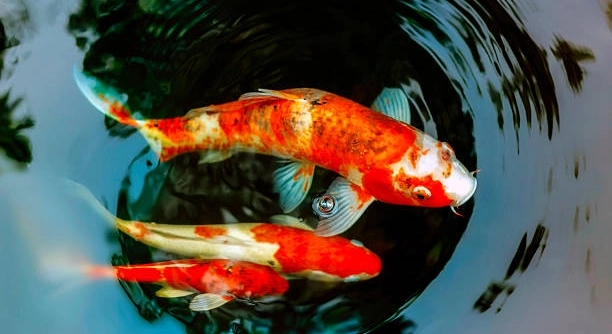
Koi fish are known for their beauty and grace, but they can sometimes be shy around people. Many koi owners want their fish to be more interactive and friendly. Building trust with koi takes patience and consistent care.
Improving koi fish friendliness involves gentle feeding practices, creating a safe environment, regular interaction, and minimizing sudden movements. These methods promote familiarity, reduce stress, and encourage the koi to approach and engage more comfortably with their owners.
Understanding these techniques will help enhance your koi’s behavior and deepen the bond between you and your aquatic pets. The following tips offer practical ways to achieve a friendlier koi pond environment.
Approach Your Koi Calmly and Slowly
Koi fish can be easily startled by sudden movements or loud noises. Approaching your koi calmly helps build their confidence. Move slowly around the pond and avoid splashing the water. When you stand still for a while, koi will become curious and may swim closer. Repeating this behavior regularly lets them learn you mean no harm. Try sitting quietly by the pond, observing their reactions without rushing. Your calm presence will help them feel safe and comfortable, encouraging them to interact more. Over time, koi can begin to recognize you and show less fear. Consistency is key; brief daily sessions of calm interaction can make a noticeable difference in their behavior.
Spending time quietly near the pond helps your koi relax and associate your presence with calmness and safety. This reduces their natural wariness.
Regular gentle approaches allow koi to adjust gradually, building trust in a way that respects their cautious nature.
Use Hand-Feeding to Build Trust
Hand-feeding koi is an effective way to increase their comfort with human interaction. It allows the fish to associate you with positive experiences, such as food. Start by offering food from your hand near the water surface. Be patient if they don’t immediately take food; some koi need time to feel secure enough to eat close to a person. Make sure your hands are clean and free from lotions or chemicals that could harm the fish. Avoid quick or jerky hand movements to prevent startling them. Gradually, the koi will begin to approach your hand confidently, making feeding time more interactive and enjoyable. This method strengthens your bond and encourages koi to be more social. Always maintain a regular feeding schedule to support this routine.
Hand-feeding koi gently encourages trust and regular interaction, making the fish more comfortable around you.
Feeding koi by hand requires patience and care but results in increased koi engagement and a stronger connection.
Regular hand-feeding can turn feeding time into an opportunity for positive interaction and trust-building.
Maintain a Clean and Comfortable Pond Environment
Clean water reduces stress in koi, encouraging them to be more approachable. Regular water changes and filtration help maintain water quality. Poor water conditions can make koi hide and avoid interaction. Keeping the pond free of debris and algae supports their health and social behavior.
Clear water supports koi’s natural behavior and reduces illness risks. It helps them feel secure enough to swim near the surface and engage with people. A well-maintained pond prevents irritations that might cause koi to be skittish or withdrawn. Using appropriate filtration systems and testing water regularly ensures a balanced environment. Adding plants provides shade and shelter, further improving comfort. All these factors contribute to a stress-free habitat where koi are more likely to become curious and interactive. A clean pond encourages koi to be active and more visible, which is essential for building familiarity.
Water quality directly affects koi behavior and friendliness. Maintaining a balanced pond environment is key to promoting interaction and trust.
Use Consistent Feeding Times
Koi quickly learn routines and feel more secure with regular feeding schedules. Feeding at the same time each day helps them anticipate your presence. Consistency builds trust as koi recognize you as a provider.
A fixed feeding routine reduces stress and creates positive associations. Koi will begin to approach the pond edge in expectation, increasing their comfort with human presence. Avoid overfeeding to prevent water quality issues and health problems. Feeding less but more often is better than large, infrequent meals. Consistency helps koi develop predictable behavior patterns, making interactions easier. Following a schedule also helps you monitor koi health through their appetite and activity. Regular feeding times improve koi engagement and reduce nervousness around people, fostering a calmer pond atmosphere.
Consistent feeding schedules reinforce koi’s comfort and willingness to interact. Regular meals establish a reliable connection between koi and their caretaker.
Provide Hiding Spots
Koi need places to retreat when they feel threatened. Adding rocks, plants, or shelters in the pond creates safe areas. These spots reduce stress and make koi more comfortable.
When koi feel secure, they are more likely to explore and interact. Hiding places help balance safety and curiosity in their environment.
Avoid Sudden Movements
Quick or abrupt actions can scare koi and cause them to hide. Move slowly and steadily around the pond to avoid startling them.
Consistent, gentle motions help koi recognize you as non-threatening. Over time, this reduces their fear response and encourages them to approach more often.
Talk Softly Near the Pond
Speaking softly near the pond helps koi become familiar with your presence. Your voice can be soothing and signals calmness.
Regularly spending quiet time near the water encourages koi to associate your sound with safety and positive interaction. This simple practice strengthens your connection.
FAQ
How long does it take for koi to become friendlier?
The time koi take to become friendlier varies with each fish. Some may show curiosity within a few days, while others need several weeks or even months. Consistent gentle interaction and feeding routines speed up this process. Patience is essential, as koi develop trust gradually.
Can koi recognize their owners?
Yes, koi can learn to recognize their owners by sight, sound, and routine. They associate familiar movements and feeding patterns with safety and food. Over time, koi will swim closer when they see or hear their caretaker, showing signs of recognition.
Is hand-feeding safe for koi?
Hand-feeding koi is safe if done properly. Always wash your hands to avoid transferring harmful substances. Use appropriate koi food and avoid overfeeding. Be gentle and patient to prevent stress or accidental bites. Hand-feeding helps build trust but should complement regular feeding schedules.
What should I feed my koi to encourage friendliness?
High-quality koi pellets are best for daily feeding. Occasional treats like earthworms, lettuce, or peas can add variety. Avoid overfeeding as it can harm water quality and fish health. Feeding should be consistent and gentle to encourage koi to approach without fear.
Can koi become too friendly and dependent?
Koi can become accustomed to human interaction but rarely overly dependent. They maintain natural behaviors but enjoy interaction when it is positive and calm. Avoid excessive hand-feeding or disturbing their environment to keep a healthy balance between friendliness and natural instincts.
Why do some koi remain shy despite efforts?
Individual koi personalities differ, and some are naturally more cautious. Stress, water quality, or lack of consistent interaction can contribute to shyness. Maintaining a calm environment, clean water, and regular feeding improves chances, but some koi may always prefer more distance.
How does water temperature affect koi behavior?
Koi are more active and interactive in warmer water, typically between 65°F and 75°F (18°C–24°C). Cold water slows their metabolism and reduces movement, making them less responsive. Maintaining a stable, suitable temperature encourages active behavior and friendly interactions.
Is it okay to touch koi?
Touching koi is generally not recommended as it can remove protective slime and increase disease risk. If koi are comfortable and calm, gentle petting might be possible but should be done with clean hands and minimal contact. Prioritize respect for their natural behavior and health.
How often should I clean the pond to keep koi friendly?
Regular cleaning supports koi health and reduces stress. Partial water changes of 10–20% weekly or biweekly are recommended, along with filter maintenance. Avoid complete water changes, which can shock the fish. Clean ponds help koi feel secure and more likely to interact positively.
What signs show that koi are becoming friendlier?
Friendly koi swim closer to the pond edge and approach your hand or feeding area. They may follow your movements and seem curious rather than hiding. Increased activity during feeding times and less skittishness are clear indicators of growing trust.
Can stress make koi unfriendly?
Yes, stress from poor water conditions, overcrowding, or sudden disturbances can cause koi to be skittish or hide. Minimizing stress by maintaining clean water, stable environment, and gentle handling helps koi feel safe and more willing to interact.
Should I use a net when interacting with koi?
Using a net frequently can stress koi and make them wary of people. Limit net use to necessary occasions like pond cleaning or health checks. Frequent handling with a net can damage scales and increase fear, so minimize its use to support koi friendliness.
How do plants help make koi friendlier?
Plants provide shade and shelter, making koi feel safe in the pond. A secure environment encourages exploration and reduces hiding. Plants also improve water quality by absorbing nutrients and providing oxygen. A well-planted pond creates a balanced habitat that supports koi comfort and sociability.
What role does lighting play in koi behavior?
Natural or soft lighting helps koi regulate their activity and reduces stress. Bright, harsh lights can cause koi to hide or become anxious. Providing shaded areas and avoiding direct strong lighting encourages koi to be visible and more interactive.
Can koi get bored without interaction?
Koi can become less active and show less curiosity if left without stimulation. Regular, gentle interaction, varied feeding, and environmental enrichment like plants or decorations keep them engaged. Providing a stimulating environment encourages active and friendlier behavior.
Final Thoughts
Making koi more comfortable around people takes time and patience. It is important to provide a stable environment where they feel safe and secure. Clean water, proper feeding schedules, and suitable hiding places all contribute to their well-being. When koi are not stressed, they are more likely to swim near the surface and become curious about their surroundings, including the people nearby. Consistency in care and interaction is key to encouraging this behavior.
The way you approach koi also matters. Moving slowly and speaking softly can help reduce their fear of sudden movements. Building trust through gentle, regular contact creates positive experiences for both the fish and the caretaker. Hand-feeding, if done carefully, is one way to develop this trust, but it should not be the only method of interaction. Respecting the natural instincts of koi and giving them space when needed helps maintain a healthy balance between friendliness and independence.
Koi are unique animals with different personalities. Some will naturally be more outgoing, while others remain shy despite efforts to socialize them. It is important to accept these differences and adjust your expectations accordingly. Providing a clean, comfortable pond and consistent care will improve their overall behavior and happiness. Over time, these practices create an environment where koi feel safe and are more likely to interact positively, enhancing the enjoyment of keeping them.

Hello,
If you enjoy the content that we create, please consider saying a "Thank You!" by leaving a tip.
Every little bit helps us continue crafting quality advice that supports the health, happiness, and well-being of pets around the world, for pets of all shapes, sizes, and species.
We really appreciate the kindness and support that you show us!