
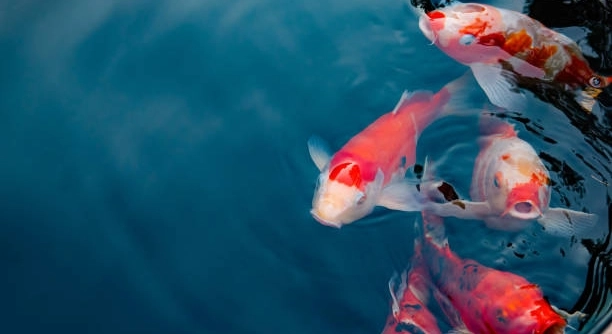
Have you ever set up a koi pond and found yourself wondering if one koi fish is enough for your backyard oasis? Koi are beautiful and peaceful, but their social needs might surprise you.
Keeping just one koi fish is possible, but it is not ideal. Koi are social creatures that thrive in groups. A solitary koi may experience stress or boredom, which can lead to health issues and behavioral changes over time.
Knowing the pros and cons of keeping a single koi will help you make better choices for its health and happiness.
The Social Nature of Koi Fish
Koi fish are naturally social and prefer living in groups. In the wild and in large ponds, they interact with other koi, swimming closely together and even displaying synchronized movements. When kept alone, a koi may become less active, less interested in food, or show signs of stress. These changes can happen gradually, making it difficult to spot at first. While some koi may adjust over time, most benefit from the stimulation and security of having other koi nearby. They also tend to grow better and stay healthier in small groups, especially in well-maintained environments with proper filtration and space.
A koi that lives alone may become more dependent on its owner, following them for attention. This might seem cute, but it often signals boredom.
Koi communicate through subtle body language, which is only possible when they’re around other koi. Without companionship, their natural behavior can become limited or disappear entirely.
Pros and Cons of Keeping One Koi
Keeping just one koi may seem simpler, especially when managing pond space, feeding routines, or water quality. Fewer fish mean less waste and reduced maintenance, making care more manageable for those with small backyard ponds or limited experience.
However, there are long-term issues to consider. Koi are intelligent and often display a need for mental and environmental stimulation. A single koi can easily become bored or lethargic in an unstimulating environment. This can impact immune response and general well-being. While some koi might tolerate solitude better than others, this varies between individuals. A better solution for most people is to keep at least two or three koi, allowing for natural interaction without overwhelming the pond’s capacity. Pairing koi also makes feeding more interactive and offers more to observe. If adding more fish isn’t an option, then enriching the pond with plants, water flow, and hiding spaces can help. Still, nothing replaces the presence of another koi.
Space and Pond Requirements
A single koi may not need a large pond, but long-term health still depends on proper space and water quality. Small ponds can limit movement and oxygen levels, which affects growth and overall well-being over time.
A pond for one koi should hold at least 250 gallons of water. Koi grow quickly, often reaching over 24 inches in length. Even if you start with a small fish, a cramped space can stunt growth and stress the fish. Clean water, stable temperatures, and good filtration are essential. Adding plants can help with oxygen and reduce algae. Shade also protects koi from sun exposure. Koi prefer stable surroundings with room to swim. Sudden changes in water quality can affect them more if they’re alone, since they lack the stimulation and support group behavior provides. Having enough space doesn’t only improve health—it encourages natural swimming patterns and reduces unnecessary stress.
Water depth matters too. A pond should be at least three feet deep to protect koi from temperature swings and predators. Deeper ponds also allow for more consistent water quality and easier winter survival. Always plan for future growth, even if you’re starting with a small, young koi.
Behavior and Mental Stimulation
Koi kept alone often become less active or overly dependent on human interaction. This can make them seem friendly, but it usually means they lack proper stimulation and need more variety in their routine.
A healthy koi will explore, forage, and interact with its surroundings. Without other koi, these behaviors may decrease. Interaction helps maintain natural instincts, and when koi lack stimulation, they may swim less, eat poorly, or act skittish. Adding visual barriers, underwater plants, or slow-moving water features can help keep a solo koi mentally active. However, these features are still not as effective as having another koi to interact with. While it’s possible to keep one koi successfully, it often takes more effort to maintain its interest and overall health. Observing a koi’s behavior over time helps you spot early changes and adjust the environment to meet its needs. A dull or inactive koi is often reacting to boredom.
Feeding and Health Monitoring
Feeding one koi is easier to manage, especially when tracking appetite and habits. You’ll quickly notice any changes in behavior, which helps with early detection of illness. A solo koi also faces less competition during feeding time.
The downside is that some koi eat better when in groups. Competition encourages faster and more consistent eating. When alone, a koi might lose interest in food or show picky behavior. Uneaten food can affect water quality, so monitoring closely is important. Feeding routines should remain consistent, even if the koi appears less enthusiastic.
Adding More Koi Later
Introducing new koi to an established pond requires care. Quarantine is necessary to avoid spreading disease. It also gives new fish time to adjust. Existing koi may react with curiosity or mild aggression at first. Keeping the pond stable during this time helps reduce stress and ensures a smoother transition.
Final Thought on Companionship
While a koi can survive alone, it generally does better with companions. Interaction with other koi supports natural behavior, reduces boredom, and improves long-term health.
FAQ
Can a single koi fish live happily on its own?
A single koi can live alone, but it usually isn’t the happiest situation. Koi are social animals and often seek interaction with others of their kind. Without companions, a koi might become less active or show signs of boredom. That said, with proper care, enrichment, and a well-maintained environment, a lone koi can still live a healthy life.
How much space does one koi fish need?
One koi fish needs at least 250 gallons of water to thrive. Even if the fish starts small, koi grow quickly and require space to swim freely. The pond should also be at least three feet deep to protect against temperature changes and predators. Proper filtration and water quality are just as important as space for healthy koi.
What are the risks of keeping only one koi?
The main risks include boredom, stress, and possible health issues. Koi kept alone may become inactive, lose appetite, or develop illnesses related to stress. A lack of social interaction can reduce their natural behaviors and immune response. Environmental enrichment can help, but it is not a full substitute for companionship.
Can I keep other types of fish with a single koi?
Yes, you can keep other fish with a koi, but compatibility matters. Some species may be too small, leading to safety concerns, or have different water needs. Goldfish and certain types of pond fish often do well with koi. However, these fish don’t replace koi companionship, as koi interact best with their own species.
How often should I feed a single koi fish?
Feed a single koi once or twice a day, offering only as much food as it can eat in about five minutes. Overfeeding can pollute the water and harm the fish. During colder months, koi eat less or stop eating altogether, so adjust feeding accordingly.
What signs show a koi fish is lonely or stressed?
Signs include reduced activity, hiding frequently, decreased appetite, and unusual swimming patterns like pacing or floating near the surface. Stress can also weaken the immune system, making the koi more prone to infections or diseases.
Is it expensive to keep just one koi fish?
Keeping one koi is generally less expensive than maintaining a group because of reduced food consumption and waste production. However, the costs of proper pond setup, filtration, and water treatment remain the same. Investment in enrichment and regular maintenance is crucial for a single koi’s well-being.
What can I do to enrich a pond for a single koi?
Add aquatic plants, water features like waterfalls or fountains, and hiding spots such as rocks or decorative items. These help stimulate natural behaviors and provide shelter. Changing the environment occasionally also keeps the koi interested and active.
How do I introduce new koi to a pond with a single koi?
Quarantine new koi for at least two weeks to prevent disease transmission. Introduce them slowly and observe interactions carefully. It’s common for koi to be curious or slightly aggressive at first, so provide plenty of space and hiding spots to reduce tension.
Can a single koi fish reproduce?
No, koi need a group to reproduce since breeding involves multiple fish. A single koi will not lay eggs or spawn without other koi present. If breeding is a goal, having several koi is essential.
Final Thoughts
Keeping just one koi fish is possible, but it requires careful attention and effort to ensure the fish stays healthy and happy. Koi are social creatures by nature and usually do better with companions. When kept alone, a koi may not show its full range of natural behaviors, which can affect its well-being over time. Providing enough space, clean water, and mental stimulation is important to support a solo koi’s health. This includes maintaining a properly sized pond with good filtration, stable water temperature, and a consistent feeding routine.
Even with these conditions met, a single koi fish may become bored or less active without other koi to interact with. It takes more effort to keep a lone koi mentally engaged, such as adding plants, water features, and places to explore. Watching the fish closely for signs of stress or illness is also necessary. Early detection of any issues makes a difference in treatment and recovery. A solitary koi may form a bond with its caretaker, but this cannot replace the natural benefits of being part of a group. The lack of social interaction can sometimes lead to a shorter lifespan or health problems caused by stress.
Overall, deciding to keep one koi fish depends on your ability to provide a suitable environment and monitor the fish’s needs carefully. If space or resources limit you to one koi, it is still possible to enjoy and care for it well. However, if you have the option, adding more koi improves their quality of life and encourages healthier behavior. Companionship supports their natural instincts and can make your pond a livelier, more balanced place. Understanding the pros and cons helps you make an informed choice that benefits both you and your koi.

Hello,
If you enjoy the content that we create, please consider saying a "Thank You!" by leaving a tip.
Every little bit helps us continue crafting quality advice that supports the health, happiness, and well-being of pets around the world, for pets of all shapes, sizes, and species.
We really appreciate the kindness and support that you show us!