
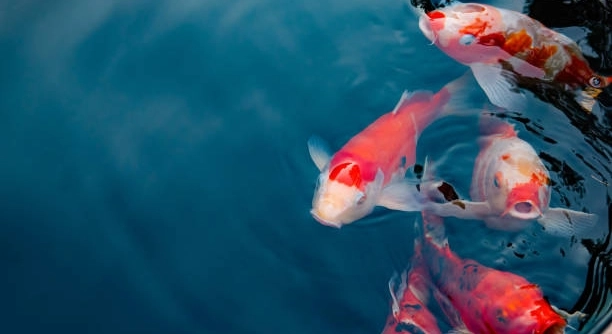
Do you ever find yourself watching your koi fish swim in circles and wonder if it means something more than play?
Koi fish often swim in circles due to territorial behavior, breeding activity, or environmental stress. This repetitive swimming pattern may signal social dynamics within the pond or indicate issues such as poor water quality or overcrowding.
Understanding the cause can help improve your koi’s environment and overall well-being while strengthening your connection with these peaceful pond companions.
Why Koi Swim in Circles
Koi swimming in circles can often be linked to social interaction, spawning behavior, or discomfort in their environment. During breeding, males may chase females in circles as part of the mating process. In a crowded pond, koi may move in tight loops simply due to limited space. Poor water quality, sudden changes in temperature, or low oxygen levels can also affect their swimming behavior. When koi aren’t feeling well or are stressed, repetitive motion may be their response. It’s important to observe other signs, like changes in appetite or unusual posture, to better understand what your koi are reacting to.
If your koi swim in circles frequently, it’s worth checking their living conditions first.
Make sure the water parameters are stable. Ammonia, nitrites, and pH levels should all stay within safe ranges. Low oxygen can also lead to unusual swimming, especially in warmer months. Using an air stone or a water feature like a fountain helps keep oxygen levels up. Keep an eye on social behavior, too. If one koi is constantly chasing another, it may be time to separate them temporarily. Feeding high-quality food, keeping the pond clean, and reducing sudden environmental changes can all support your koi’s health and calm their behavior. These small efforts can lead to a more peaceful and balanced pond.
When to Be Concerned
Circling that happens suddenly and continues over time may suggest something more serious.
If the behavior persists, especially with clamped fins, gasping, or loss of balance, a health issue could be developing. Parasitic infections like flukes or anchor worms are common in koi and may lead to irritation and swimming in circles. A full check-up of the water conditions is essential, but a physical inspection may also be needed. You may need to quarantine the affected fish for treatment. Introducing new fish without quarantining first can lead to health problems, so always isolate new additions before placing them in the pond. Koi are sensitive and rely heavily on a balanced environment. Stress builds quickly when that balance is disrupted. Observe how often the behavior occurs, what triggers it, and whether it spreads to other fish. Acting early helps avoid long-term problems and keeps your koi healthy and relaxed in their space.
Possible Environmental Causes
Poor water quality is one of the most common reasons koi swim in circles. Even small changes in ammonia, nitrites, or pH can cause stress. Temperature shifts or low oxygen levels may also trigger this behavior in sensitive koi.
When water conditions are off, koi may become restless or disoriented, resulting in circular swimming patterns. Always test water regularly using a reliable kit. Maintain a proper filtration system and perform partial water changes to keep levels safe. Low oxygen can be addressed by adding air stones or increasing surface agitation. Koi also need adequate space—overcrowding causes stress and affects their movement. Make sure the pond isn’t too small or cluttered with decorations. An unbalanced environment affects behavior more than people realize. Clean debris, remove uneaten food quickly, and avoid sudden temperature changes. These simple adjustments can help restore a calm and natural swimming pattern.
Exposure to sudden noise, vibrations, or bright lights can also lead to stress. Koi are sensitive to disturbances around their pond. If they start circling after loud yard work or after installing new lights, try limiting these stressors. Use plants or barriers to create a more shaded and peaceful pond environment. A calm setting supports stable behavior and healthier fish overall.
Health-Related Causes
Parasites, bacterial infections, and swim bladder issues are common health problems that can cause koi to swim in circles. These conditions can affect the fish’s balance and coordination, making normal swimming difficult or uncomfortable.
Parasites like flukes or anchor worms irritate the koi’s skin and gills, causing them to swim erratically or in circles. These parasites are often introduced by new fish or plants, so quarantining all new additions is essential. Bacterial infections, especially those affecting the brain or spinal cord, can also disrupt swimming patterns. Swim bladder disease can result from poor diet, constipation, or infection. If a koi is circling and floating unevenly, this could be the cause. Treatment will depend on the condition, but isolation, medicated food, or water treatments are often necessary. Consulting with a vet who specializes in fish is sometimes the best step if symptoms don’t improve. Early action can prevent the spread of disease and support faster recovery.
Behavioral and Social Triggers
Koi sometimes swim in circles during breeding season. Males chase females in a looping pattern, which is part of their natural spawning behavior. This usually happens in spring when water temperatures rise.
Dominance and social hierarchy can also cause circling. One koi may assert itself over others by chasing or blocking them repeatedly.
How to Observe Patterns
Pay attention to how often the circling happens, what time of day it starts, and whether it involves one or more koi. These details can help you figure out if the cause is environmental, health-related, or behavioral. Consistent observation helps you spot patterns. Note if the same fish is always involved, or if it rotates among different koi. Watch for other signs like rubbing against surfaces, loss of appetite, or sluggish movement. Small clues like these help you decide whether you need to adjust the pond setup or contact a vet. Tracking changes over several days gives the clearest picture and helps you respond sooner.
When to Take Action
If circling becomes frequent, affects multiple fish, or comes with other symptoms, it’s time to act quickly and check conditions.
FAQ
Can koi swimming in circles be normal behavior?
Yes, sometimes it’s completely normal. During breeding season, koi may swim in circles as part of mating behavior. Young koi may also chase each other playfully. If there are no signs of distress, illness, or aggression, and the water parameters are stable, this circling may not be a concern. Observe them for a few days and check for changes. If they return to typical swimming patterns and seem active and healthy, it’s likely just temporary behavior caused by social or seasonal factors.
What are the first things to check if my koi are circling constantly?
Start with water quality. Test ammonia, nitrite, nitrate, pH, and temperature. Make sure oxygen levels are high enough. Poor water conditions are one of the most common causes of strange swimming. Check for overcrowding and observe if only one or multiple koi are affected. Look at their fins and skin for any signs of irritation, damage, or parasites. If you see anything unusual, isolate the fish and consider treatment. A clean and balanced environment is the first step in resolving this issue.
Could parasites be the cause?
Yes, external parasites like flukes, lice, or anchor worms can cause koi to swim erratically or in circles. These parasites irritate the skin and gills, making the fish uncomfortable and agitated. If koi are flashing (rubbing against surfaces) along with circling, parasites are a likely cause. In this case, inspect their bodies closely or use a microscope if possible. Treatments include salt baths or anti-parasitic medications available at most aquarium supply stores. Always treat the pond if more than one fish shows symptoms, and monitor regularly afterward.
Is it safe to treat koi without a confirmed diagnosis?
It’s not recommended to treat koi blindly. While general salt baths are often safe and helpful, using medications without knowing the cause can do more harm than good. Incorrect treatments might worsen stress or cause chemical imbalances in the pond. The best approach is to isolate the affected fish, run water tests, and observe closely. If symptoms persist or worsen, contact a vet who has experience with fish. A confirmed diagnosis helps ensure the right treatment is used, improving outcomes.
Can koi get dizzy or confused like other animals?
Koi don’t get dizzy the way people do, but they can become disoriented. When the swim bladder is affected by infection, injury, or poor diet, koi can lose control of their movement. This may cause them to swim in circles, float unevenly, or struggle to stay upright. Internal parasites or neurological damage can also cause confusion in swimming. If the fish looks otherwise healthy but moves oddly, consider swim bladder issues or nervous system problems. Feeding high-fiber, sinking food may help if diet is part of the cause.
Does overfeeding have anything to do with circular swimming?
Yes, overfeeding can lead to constipation or swim bladder issues, both of which can affect movement. Uneaten food also dirties the water and lowers oxygen, which may stress koi and lead to abnormal behavior like circling. Feed only what koi can consume in a few minutes. Remove leftovers quickly. Try fasting them for a day or switching to a high-fiber food like peas. Keep a regular feeding schedule and monitor their activity afterward. Small changes can make a noticeable difference in how your koi swim.
What if only one fish is circling while the rest are fine?
If only one koi is circling and others are behaving normally, isolate that fish. Watch for signs of injury, weight loss, bloating, or changes in appetite. It may have a health issue such as infection or a swim bladder disorder. Treating it separately allows you to monitor progress and prevents spreading disease if the cause is contagious. Keep the isolated tank or pond clean, and offer high-quality food. If there’s no improvement within a few days, consult a fish vet for further guidance.
Should I worry if the circling happens only at feeding time?
Circling behavior at feeding time is usually not a concern. Many koi get excited and swim rapidly in loops when they anticipate food. This is normal, especially in ponds where they’ve learned to associate your presence with feeding. As long as they return to calm, steady swimming afterward and show no signs of stress or injury, it’s just part of their feeding routine. Keep feeding sessions short and consistent to avoid overstimulation or competition among koi.
Final Thoughts
Watching your koi fish swim in circles can feel strange at first, especially if you are not sure what it means. Sometimes, this behavior is completely normal, especially during mating season or when young koi are playing. However, it can also be a sign that something is wrong. Circling may happen because of stress, water quality issues, parasites, or even a swim bladder problem. Paying attention to how often it happens, how the koi look, and what the rest of the pond environment is like can help you figure out what to do next. Not all circling needs action, but some situations do call for a closer look.
Keeping your koi healthy means regularly checking water parameters, feeding them a balanced diet, and watching their behavior closely. A sudden change in swimming patterns can be a clue that something is off. If you see signs like flashing, clamped fins, gasping, or loss of balance along with circling, those are clear signs that the fish may be in distress. Separating the affected fish and treating it early can make a big difference. If you’re unsure what’s causing the behavior, it’s better to test the water, rule out common causes, and only treat with medication when it’s really needed.
Caring for koi means staying observant and acting quickly when something seems off. Circling is just one sign that can tell you more about their health or pond conditions. When handled the right way, even a problem like this can be managed before it gets worse. Take the time to learn what is normal for your fish so you’ll notice changes early. Good pond care, regular maintenance, and close observation go a long way in keeping koi happy and active. Whether it’s a harmless part of their social behavior or a sign of an issue, knowing what to look for helps you keep their environment safe and comfortable.

Hello,
If you enjoy the content that we create, please consider saying a "Thank You!" by leaving a tip.
Every little bit helps us continue crafting quality advice that supports the health, happiness, and well-being of pets around the world, for pets of all shapes, sizes, and species.
We really appreciate the kindness and support that you show us!