
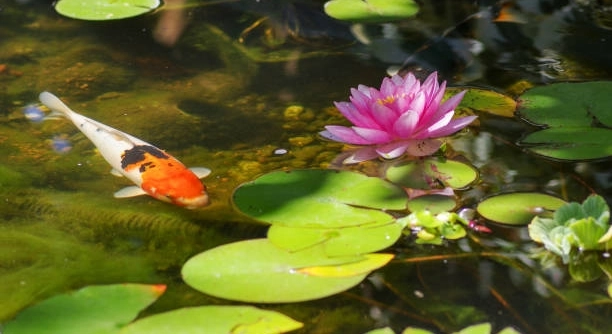
Koi fish are popular for their beautiful, bright colors that change over time. Many people enjoy watching these colorful fish in ponds and gardens. Understanding why koi change color can help keep them healthy and vibrant.
Koi fish change color due to factors such as genetics, age, water quality, diet, sunlight exposure, stress levels, and diseases. These elements affect pigmentation cells, causing variations in their color patterns over time.
Learning about these causes will help koi owners care better for their fish and maintain their stunning appearance. The reasons behind color change reveal important details about koi health and environment.
Genetics and Age Influence Koi Color
Koi fish inherit their color patterns from their parents through genetics. This means some colors and designs are built into their DNA from birth. Over time, as koi grow older, their colors can naturally change or fade. This process is normal and varies with each individual fish. Younger koi often have brighter, more vivid colors, while older koi may develop softer or different shades. Age affects how pigment cells in the skin function, sometimes causing spots or patches to appear or disappear. It’s also common for koi to develop new colors as they mature, which can surprise owners who have watched the fish since it was a juvenile. Genetics set the foundation, but age adds a layer of change that makes koi fish even more interesting to observe. Understanding this helps owners expect and appreciate the natural shifts in their koi’s appearance over time.
Genetics and age work together to shape the changing colors of koi fish throughout their lives.
Being aware of these changes makes it easier to notice if other factors, like health, affect your koi’s coloring. Sometimes, a sudden color change can indicate a problem, but gradual changes related to genetics and aging are usually harmless. Watching how your koi’s colors evolve over months or years gives insight into their growth and condition. This knowledge helps with better care and creating an environment that supports healthy development. Recognizing natural color changes prevents unnecessary worry while keeping attention on the koi’s overall well-being.
The Role of Water Quality in Color Change
Water quality has a direct impact on koi fish color. Clean, balanced water helps maintain vibrant colors.
Poor water conditions can stress koi, leading to dull or faded colors. Ammonia, nitrites, or extreme pH levels harm pigment cells and overall fish health. Consistent water changes and proper filtration keep toxins low and oxygen levels high. Good water quality supports the natural brilliance of koi, while dirty or unbalanced water often causes colors to lose their brightness. Temperature also matters; sudden changes can stress fish and affect pigmentation. Testing water regularly and making adjustments can prevent unwanted color changes. Healthy water creates a strong base for koi to show their best colors and patterns.
Keeping the water clean and stable protects the natural beauty of koi fish.
Regular monitoring of water parameters ensures your koi’s environment is safe and supportive. Using test kits to check ammonia, nitrites, nitrates, and pH levels helps catch problems early. Also, avoid overcrowding the pond, as too many fish can quickly degrade water quality. Feeding koi a high-quality diet alongside clean water promotes good pigment development. If you notice dull colors, start by checking the water conditions to find a simple fix. Maintaining optimal water quality keeps koi happy, healthy, and colorful for years.
Diet and Nutrition Affect Koi Color
A koi’s diet plays a big role in its color vibrancy. Foods rich in carotenoids and other pigments help enhance reds, oranges, and yellows. Without proper nutrition, colors may fade or look dull.
Feeding koi a balanced diet with high-quality pellets or flakes designed for color enhancement supports their natural hues. Ingredients like spirulina, shrimp, and krill provide pigments that koi cannot produce on their own. When their diet lacks these nutrients, color intensity drops, and fish may appear pale or washed out. Seasonal changes can also affect appetite and feeding habits, so adjusting diet accordingly is important. Supplementing with fresh vegetables or occasional treats can improve overall health and color. Avoid overfeeding as it can pollute water and harm color quality.
Consistent, nutrient-rich feeding combined with clean water is key to maintaining koi’s vibrant colors.
Feeding schedules and food types should reflect the koi’s age and environment. Younger koi need more protein, while adults benefit from color-enhancing nutrients. If you notice fading color despite good water quality, adjusting the diet can often bring back brightness. Remember, healthy koi show their best colors naturally.
Sunlight Exposure and Stress
Sunlight helps koi produce bright colors but too much can cause fading or stress. Limited exposure to natural light weakens pigmentation.
Stress from overcrowding, poor water quality, or handling can cause koi to lose color temporarily. Stress hormones affect pigment cells, leading to dull or patchy appearance. Providing hiding spots and maintaining a calm environment reduces stress. Gradual exposure to sunlight is best; too much direct sun can bleach colors and raise water temperature. Shade and aquatic plants help balance light. Monitoring pond conditions and fish behavior ensures stress is minimized. Color changes caused by stress usually reverse once conditions improve.
Keeping koi comfortable and balanced with proper light and low stress keeps their colors healthy and bright.
Ensuring koi have a peaceful environment and shaded areas helps prevent stress-related color loss. Avoid sudden changes in their surroundings, and keep the pond clean. Stress impacts koi more than many realize. By paying attention to these factors, color changes can often be prevented before they happen. Proper light management and low-stress care work together to keep koi looking their best.
Disease and Parasites
Diseases and parasites can cause koi to lose color quickly. Infections stress the fish and damage their skin, leading to fading or blotchy spots.
If your koi shows sudden color change with other symptoms like lethargy or sores, it’s important to check for illness. Early treatment improves recovery and color restoration.
Water Temperature Changes
Water temperature affects koi metabolism and pigment development. Sudden drops or rises in temperature can cause colors to dull temporarily.
Koi are cold-blooded, so their color intensity often fades in colder months and returns in warmer seasons. Stable temperature supports consistent coloration and fish health.
Stress and Environment
Stress from environmental factors like overcrowding or poor water quality causes color loss. Calm conditions help koi keep vibrant colors.
FAQ
Why do koi fish lose color suddenly?
Sudden color loss in koi is often a sign of stress, illness, or poor water conditions. Changes in temperature, overcrowding, or infections can cause pigment cells to react quickly. It’s important to check water quality and watch for other symptoms like lethargy or abnormal behavior. Early detection of issues helps koi recover their color faster.
Can koi regain their color after fading?
Yes, koi can regain color if the cause of fading is corrected. Improving water quality, reducing stress, or treating illness usually restores their natural hues. Sometimes color returns gradually, especially if fading is linked to seasonal changes or diet adjustments. Patience and proper care are essential.
Does koi color change with age?
Koi color often changes as they grow older. Young koi typically have brighter colors, which may soften or shift over time due to pigment cell changes. Some koi develop new patterns or spots as they mature. These changes are normal and reflect natural aging.
How does diet impact koi color?
A koi’s diet directly affects its color intensity. Foods rich in carotenoids and other pigments support brighter reds, oranges, and yellows. Without these nutrients, colors may fade. Feeding high-quality pellets or natural treats like shrimp and spirulina helps maintain vibrant colors.
Is sunlight necessary for koi color?
Sunlight helps koi produce brighter colors by encouraging pigment development. However, too much direct sunlight can bleach colors and stress the fish. Balanced exposure with shaded areas is ideal to protect koi and enhance their appearance.
What water conditions are best for koi color?
Stable, clean water with low ammonia and nitrite levels is key. Proper pH (usually between 7.0 and 8.0) and adequate oxygen also help keep colors bright. Regular testing and maintenance prevent harmful changes that can dull koi colors.
Can stress really change koi color?
Yes, stress causes koi to lose color temporarily. Stress hormones interfere with pigment cells, leading to dull or patchy appearances. Overcrowding, handling, poor water quality, or sudden environmental changes are common stressors. Minimizing stress improves color and overall health.
Are color changes a sign of disease?
Sometimes, yes. Disease or parasites can damage skin and pigment cells, causing color loss or irregular spots. If color fades suddenly with other symptoms like sores, appetite loss, or unusual swimming, a health check and treatment may be needed.
Why do koi colors fade in winter?
Koi metabolism slows down in cold water, reducing pigment production. This natural seasonal fading usually reverses as water warms. Maintaining stable temperature and good care helps koi regain color when spring arrives.
How can I prevent my koi from changing color too much?
Providing stable water conditions, a proper diet, balanced sunlight, and low stress helps keep koi colors consistent. Regular pond maintenance and health monitoring prevent sudden changes. Understanding natural factors like aging and seasons also helps set realistic expectations.
Koi fish are fascinating creatures with colors that can change for many reasons. Some changes are natural, like those caused by genetics or aging, while others happen because of the environment or health. Understanding why koi change color helps owners care for their fish better and appreciate the shifts in appearance without worry. Watching a koi’s color develop and transform over time can be rewarding and deepen the connection between owner and fish.
Keeping koi healthy involves paying attention to factors like water quality, diet, sunlight, and stress. Clean, well-balanced water and a nutritious diet support bright, vivid colors. Proper sunlight exposure and a calm environment also help koi show their best colors. On the other hand, poor conditions or illness can cause colors to fade or look patchy. When changes in color happen suddenly, it’s important to check for signs of stress or disease. Taking quick action can prevent problems from worsening and help koi recover their natural beauty.
It’s normal for koi colors to shift a little as they grow or through seasonal changes. These variations add to the charm and uniqueness of each fish. While it can be tempting to expect koi to stay the same forever, understanding that color changes are part of their life cycle makes caring for them easier and more enjoyable. By providing a healthy and stable environment, owners give koi the best chance to maintain their vibrant colors and live long, happy lives.

Hello,
If you enjoy the content that we create, please consider saying a "Thank You!" by leaving a tip.
Every little bit helps us continue crafting quality advice that supports the health, happiness, and well-being of pets around the world, for pets of all shapes, sizes, and species.
We really appreciate the kindness and support that you show us!