
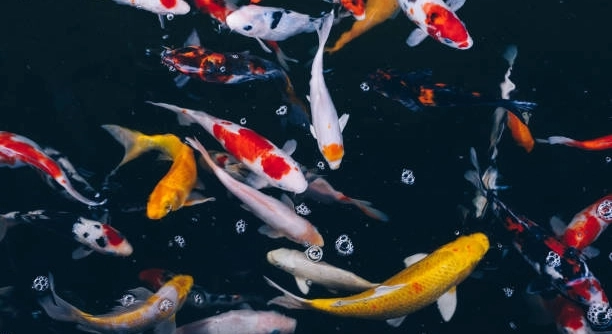
Koi fish are popular in ponds and gardens because of their bright colors and peaceful nature. Many people notice that these fish often swim close together in groups. This behavior is interesting and worth understanding better.
Koi fish school together mainly for safety, social interaction, and environmental awareness. Group swimming helps reduce the risk of predators attacking, allows koi to communicate, and aids in locating food or better conditions within their habitat.
Learning about why koi school can help pond owners care for them more thoughtfully. This behavior reveals important aspects of koi fish life and their natural instincts.
Reasons Koi Fish School Together
Koi fish group swimming is driven by a few important reasons. One key reason is protection. When koi swim in groups, they appear larger and less vulnerable to predators like birds or larger fish. This natural defense helps reduce attacks. Another reason is social interaction. Koi are social animals that enjoy being near others of their kind. Grouping helps them stay connected and reduces stress. Lastly, schooling helps koi find food more easily. When one fish discovers food, others quickly follow. The group also benefits from shared awareness of changes in the environment, such as shifts in water temperature or oxygen levels. These factors all encourage koi to stay close together rather than swim alone, making their lives safer and more comfortable.
Swimming in schools also helps koi conserve energy. By following each other, they reduce water resistance and swim more efficiently.
Koi fish schooling is a natural behavior that supports their survival and wellbeing. It helps them stay protected, connected, and alert to their surroundings. Understanding these reasons makes it easier to create a healthy pond environment that respects their instincts and needs.
How Koi Fish Communicate in Groups
Koi fish communicate through body movements, color changes, and subtle water vibrations. This communication helps coordinate their swimming and signals social cues. Schooling koi can alert each other to food or danger without needing loud signals. Their synchronized swimming is a form of communication that keeps the group organized and safe. These interactions show that koi are aware of each other’s presence and respond to their group’s behavior.
Benefits of Schooling for Koi Fish
Schooling offers koi several key benefits beyond protection. It improves their chances of finding food and helps reduce stress by creating a sense of safety. Being part of a group also supports healthier social behavior.
Swimming together reduces the energy koi use. When fish swim in formation, they create water currents that help each other move with less effort. This makes it easier for koi to travel longer distances in search of food or better water conditions. The group also alerts members quickly to changes or threats, increasing survival chances. Stress levels tend to drop when koi feel secure in numbers, promoting better overall health.
The social bonds formed within a school help koi maintain a stable hierarchy. This organization prevents fights and ensures a peaceful environment, which benefits all fish. Being with others also encourages natural behaviors, like synchronized swimming and feeding, that koi need to thrive in captivity.
Factors That Influence Schooling Behavior
Several environmental and social factors affect how koi school. Water temperature, light, and availability of food impact their tendency to group together. When conditions are ideal, koi school more tightly.
Changes in the pond environment, such as sudden shifts in temperature or oxygen levels, can cause koi to gather closely for warmth or to access better oxygenated water. Feeding times also influence schooling, as koi swim together to compete or cooperate for food. Social factors like the number of koi and their sizes affect group dynamics. Larger koi may lead the school, while smaller ones follow for protection. Stress or illness may cause koi to isolate, disrupting their schooling habits.
Proper pond care, including stable water conditions and regular feeding, supports natural schooling behavior. Understanding these factors helps koi owners create environments that encourage healthy group activity and reduce stress.
How Koi Fish Choose Their Group
Koi usually join schools with fish of similar size and color. This helps them stay organized and reduces conflicts. Grouping by size also makes swimming easier and safer.
They rely on sight and movement to recognize familiar koi. Over time, they form bonds that encourage staying close to certain fish.
The Role of Predators in Schooling Behavior
Predators strongly influence why koi school tightly. Being in a group makes it harder for predators to single out one fish. The collective movement confuses attackers and increases koi survival chances.
Schooling is a natural defense mechanism that koi use to protect themselves from threats, even in safe pond environments.
Koi Schooling and Feeding Habits
Koi tend to feed more efficiently when schooling. The group quickly locates food sources, and fish take turns eating to avoid competition. This social feeding helps koi stay healthy and ensures that all members get enough to eat.
Impact of Pond Size on Schooling
Pond size limits how large koi schools can become. Smaller ponds restrict movement and may cause stress if koi have less space to swim freely. Larger ponds allow natural schooling behavior and better social interaction among koi.
FAQ
Why do koi fish prefer to swim in groups rather than alone?
Koi fish swim in groups mainly for safety and social reasons. When koi swim together, they look bigger to predators, which helps protect them. Being in a group also lowers stress because koi feel more secure. Social interaction is important to koi, and swimming with others keeps them calm and comfortable.
How many koi fish should be kept together to encourage schooling?
To encourage natural schooling behavior, it’s best to keep at least three to five koi together. Smaller groups may not school as well, and single koi often feel stressed or lonely. Larger groups allow koi to interact, swim in formation, and feel safer, which leads to healthier fish.
Does the size of the koi affect their schooling behavior?
Yes, size plays an important role. Koi tend to group with fish of similar size. This helps maintain balance in the school and prevents smaller fish from being bullied. Similar size also means similar swimming speed, which keeps the group moving smoothly together.
Can koi fish school with other types of fish?
Koi may swim near other fish species, but they usually prefer schooling with their own kind. Different species often have different swimming styles and social needs, so koi may not form tight schools with them. Keeping koi with similar fish helps promote natural schooling and reduces stress.
What should I do if my koi fish are not schooling?
If koi are not schooling, check the pond environment first. Make sure the water is clean and the temperature is stable. Also, look at the group size—too few koi may discourage schooling. Sometimes stress, illness, or injury causes koi to isolate, so healthy fish are more likely to school properly.
Do koi fish school more at certain times of day?
Koi often school more during feeding times or when the water temperature is cooler. Feeding brings them together quickly, and cooler temperatures may encourage closer swimming for warmth. During very hot or bright times, koi might spread out more to find shade or cooler spots.
How does pond design influence koi schooling?
A pond with enough space and hiding spots encourages natural schooling. Koi need room to swim freely and areas to feel safe. Overcrowded or small ponds can stress koi and disrupt schooling. Good water flow and balanced oxygen levels also support healthy group behavior.
Can koi fish schooling behavior indicate their health?
Yes, schooling behavior can reflect koi health. Healthy koi usually swim in groups calmly and consistently. If koi start to isolate or behave erratically, it might be a sign of illness or stress. Watching schooling patterns helps owners detect problems early and take action.
Is it normal for koi to break the school and swim alone sometimes?
Yes, it’s normal for koi to break away occasionally. They might explore the pond, search for food, or rest separately. However, if koi spend too much time alone, it could mean stress, sickness, or discomfort. Healthy koi tend to return to the group regularly.
How do koi fish communicate within the school?
Koi communicate mainly through body language and movements. They use gentle nudges, changes in swimming speed, and positioning to signal each other. This helps coordinate their swimming and alerts others to food or danger without loud noises.
Does feeding koi fish influence their schooling?
Feeding definitely affects schooling. When food is introduced, koi quickly gather to compete or share it. Feeding times can strengthen group cohesion as fish swim together toward the same goal. Regular feeding schedules help koi form predictable schooling patterns.
Are there any risks to koi schooling too closely?
While schooling is mostly beneficial, koi swimming too tightly in small spaces can increase stress and spread disease. Overcrowding reduces oxygen levels and can cause injuries. It’s important to keep the pond clean and provide enough space for koi to school safely.
How can I encourage my koi to school more often?
Encourage schooling by maintaining good water quality, stable temperatures, and enough space. Keep koi in groups of at least five, feed them regularly, and avoid sudden changes in the environment. A calm, well-maintained pond helps koi feel safe enough to swim together.
Do koi fish school differently in the wild compared to ponds?
In the wild, koi school naturally to avoid predators and find food over larger areas. Pond environments are smaller and controlled, so schooling behavior might be less intense but still present. Providing a natural-like pond helps mimic wild conditions and supports schooling instincts.
Can koi fish recognize individual members of their school?
Koi have good eyesight and can recognize familiar fish by their colors and shapes. They form social bonds within their school and often stay near certain members. This recognition helps reduce conflicts and keeps the group organized.
What happens if koi fish are kept alone?
Koi kept alone often become stressed and may show signs of boredom or illness. Without a group, their natural schooling behavior is lost, which can harm their well-being. For healthy koi, companionship is important for mental and physical health.
Koi fish schooling is a natural behavior that plays an important role in their survival and wellbeing. Swimming together helps koi protect themselves from predators by appearing larger and more confusing to attackers. It also allows them to communicate quietly and stay aware of changes in their environment. Being in a group reduces stress and creates a safer space for koi to live happily. Understanding why koi school together can help pond owners provide a better home for their fish.
Taking care of koi means paying attention to their social needs. Keeping koi in groups of similar size encourages natural schooling behavior, which benefits their health. Pond size and water quality also affect how koi swim together. Providing enough space and clean water helps koi feel comfortable and secure. Regular feeding supports their social interactions and keeps them active. When koi school properly, it shows they are relaxed and healthy, making the pond a peaceful place to enjoy.
Overall, koi schooling is more than just a beautiful sight; it is a key part of how these fish live and thrive. By creating a good environment that respects their natural habits, koi owners can support their fish’s happiness and longevity. Watching koi swim in groups can be calming and rewarding, showing a glimpse of their natural instincts at work. With proper care, koi fish will continue to school together and bring enjoyment for many years.

Hello,
If you enjoy the content that we create, please consider saying a "Thank You!" by leaving a tip.
Every little bit helps us continue crafting quality advice that supports the health, happiness, and well-being of pets around the world, for pets of all shapes, sizes, and species.
We really appreciate the kindness and support that you show us!