
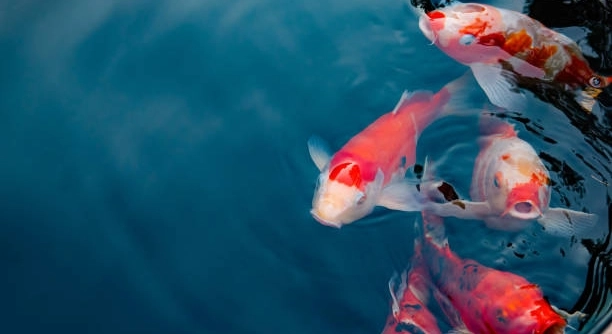
Koi fish are popular pond pets known for their bright colors and graceful movements. Sometimes, these fish suddenly disappear or stay hidden for long periods. Understanding why they hide can help keep them healthy and comfortable.
Koi fish hide for various reasons including stress, poor water quality, illness, or the need to rest. Hiding is a natural behavior that helps them avoid danger and recover from environmental challenges or health issues.
Knowing the common causes of hiding behavior will help you create a better environment and care routine for your koi fish. This article will guide you through the main reasons and what actions you can take.
Stress Causes Koi to Hide
Koi fish often hide when they feel stressed. Stress can come from many things like sudden changes in water temperature, loud noises near the pond, or overcrowding. When koi get stressed, they may retreat to shaded areas or hide behind plants and rocks. This is their way to feel safer and reduce anxiety. Sometimes, new additions to the pond can also cause stress as koi adjust to the new environment. Even poor water conditions like high ammonia or low oxygen levels can stress them out. When koi are stressed for a long time, it can weaken their immune system and make them more vulnerable to disease. Watching for hiding behavior is a good way to spot early signs of stress before things get worse. Taking small steps to reduce stress, like maintaining good water quality and avoiding sudden changes, helps koi feel secure and stay active.
Stress is a common reason koi hide, signaling they need a calmer, more stable environment to thrive.
Keeping your pond peaceful and stable will reduce stress-related hiding. Adding hiding spots like plants can help koi feel safe without isolating them. It’s important to check water quality regularly and avoid overcrowding. If stress persists, adjusting care routines or consulting a vet may be needed. Simple actions make a big difference in koi comfort.
Poor Water Quality Leads to Hiding
Koi fish are very sensitive to water quality. Dirty water with high levels of ammonia, nitrites, or nitrates can cause them to hide. Poor water conditions irritate their gills and skin, making it uncomfortable to swim openly. If the pond lacks proper filtration or aeration, oxygen levels can drop, forcing koi to seek calmer, oxygen-rich areas like near the surface or under plants. Uneven pH or sudden changes in water chemistry also stress the fish, encouraging them to stay hidden. Regular testing and maintenance are necessary to keep water healthy. Without proper care, koi will not only hide but may also become sick. Improving water quality with frequent partial water changes, adding aeration devices, and using a reliable filter system can help koi return to normal activity.
Clear, balanced water conditions are essential to prevent koi from hiding due to discomfort or illness.
Illness and Injury
When koi are sick or injured, they tend to hide more than usual. This behavior helps them avoid predators and recover without disturbance.
Common koi illnesses like parasites, bacterial infections, or fungal diseases cause discomfort that leads fish to seek shelter. Injuries from rough pond decorations or aggressive tank mates can also make koi retreat. Watching for signs such as lethargy, clamped fins, or discoloration is important. Early detection can prevent more serious problems. If koi hide and show unusual behavior, testing water and consulting a vet or experienced keeper is recommended. Treating illness quickly improves recovery chances. Keeping the pond clean and providing good nutrition supports koi health and lowers the risk of sickness.
Proper observation and care during illness or injury help koi heal safely. Providing quiet hiding places reduces stress and aids recovery.
Seasonal Changes Affect Behavior
Koi behavior changes with the seasons, often hiding more during colder months. Lower water temperatures slow their metabolism, causing them to become less active and seek shelter in deeper, warmer parts of the pond. This natural response helps conserve energy. In spring and summer, koi are more active and spend more time swimming openly. Seasonal changes can also affect water quality and oxygen levels, influencing hiding behavior. Monitoring these changes and adjusting care accordingly, like reducing feeding in colder months and ensuring proper aeration, helps koi stay comfortable year-round. Understanding how seasons affect koi helps prevent unnecessary worry when they hide more during certain times of the year.
Overcrowding in the Pond
Too many koi in one pond can make fish feel unsafe and stressed. Overcrowding reduces swimming space and increases competition for food.
This stress often causes koi to hide more frequently. Keeping the right number of fish for your pond size is essential to maintain a healthy, peaceful environment.
Lack of Hiding Spots
Koi need places to hide to feel secure. Without enough plants, rocks, or decorations, they may stay hidden because they have nowhere safe to rest.
Adding natural hiding spots helps koi feel more comfortable and reduces their need to retreat for long periods.
Aggression from Other Fish
Aggressive fish can scare koi, causing them to hide to avoid conflict. Dominant fish may chase or nip at others, increasing stress levels.
Monitoring fish behavior and separating aggressive individuals can help koi feel safer and reduce hiding caused by bullying.
FAQ
Why do koi fish suddenly stop swimming and hide?
Koi often hide suddenly when they feel stressed, scared, or unwell. Sudden changes in water temperature or quality, loud noises, or aggressive tank mates can cause this behavior. Hiding helps them feel safe and avoid threats. If koi hide for long periods, it may indicate health or environmental problems that need attention.
Is it normal for koi to hide all day?
It is not typical for koi to stay hidden all day. They usually come out to swim and feed. Constant hiding can signal stress, illness, or poor pond conditions. Check water quality, pond temperature, and observe other signs of sickness. Improving these factors usually encourages koi to be more active and visible.
Can poor water quality make koi hide?
Yes, poor water quality is a common reason koi hide. High levels of ammonia, nitrites, or low oxygen make koi uncomfortable and stressed. They seek refuge in shaded or less disturbed areas. Regular water testing, filtration, and aeration help maintain good water conditions and reduce hiding behavior.
How can I tell if my koi is sick or just hiding?
Sick koi often show additional signs such as loss of appetite, lethargy, clamped fins, visible wounds, or unusual swimming patterns. If koi hide but look healthy and active at times, they may just be resting or stressed. Monitoring behavior and water quality helps determine if illness is a factor.
What can I do if my koi hide due to stress?
Reduce stress by maintaining stable water temperature and quality. Avoid sudden changes, loud noises, or overcrowding. Provide hiding spots like plants and rocks for comfort. Feeding a balanced diet and minimizing pond disturbances also help koi feel safer and reduce hiding.
Do seasonal changes affect koi hiding behavior?
Yes, koi tend to hide more during colder months. Their metabolism slows in cooler water, so they become less active and stay in deeper, warmer areas. In warmer seasons, koi are more active and visible. Adjust feeding and pond care according to the season to support their natural behavior.
How many koi should I keep in my pond?
A good rule is one koi per 250 gallons of water. Overcrowding causes stress and increases hiding. Proper space reduces aggression and keeps water cleaner. Adjust your pond size or koi population to keep fish comfortable and healthy.
Can aggressive fish cause my koi to hide?
Aggressive fish can scare koi and cause them to hide to avoid fights. Dominant fish may chase or nip at others, increasing stress. Separating aggressive fish or providing plenty of hiding spots helps reduce bullying and allows koi to feel safer.
Are hiding spots necessary in a koi pond?
Yes, koi need hiding spots to feel secure. Plants, rocks, and decorations offer shelter and rest areas. Without these, koi may hide in corners or under structures, which can stress them. Adding natural cover helps koi relax and reduces prolonged hiding.
When should I call a vet for koi hiding behavior?
If koi hide for days, show signs of illness like sores, lethargy, or difficulty swimming, consult a vet. Persistent hiding combined with other symptoms often means health issues needing professional care. Early treatment increases the chance of recovery.
Final Thoughts
Koi fish hiding is a natural behavior that can mean many different things. Sometimes, they hide because they feel stressed, sick, or just want to rest. Other times, it is because of problems with their environment like poor water quality or overcrowding. Understanding why koi hide helps in making sure they stay healthy and comfortable in the pond. By paying attention to their behavior and the conditions around them, you can catch problems early and fix them before they become serious.
Taking care of koi fish means more than just feeding them. It involves keeping the pond clean, checking water quality often, and providing enough space and hiding spots for the fish to feel safe. Stress is one of the biggest reasons koi hide, so it is important to keep the pond calm and stable. Avoid sudden changes in water temperature or adding too many fish at once. Also, watch for signs of illness like loss of appetite or unusual swimming. Acting quickly when koi seem unwell can make a big difference in their recovery.
Overall, a well-maintained pond with good water quality, proper space, and enough hiding places will encourage koi to be active and healthy. Remember, koi are sensitive creatures, and their hiding behavior is often their way of telling you something is wrong. Listening to these signs and making adjustments to their environment shows good care. Keeping koi safe and comfortable will help you enjoy their beauty and peaceful presence for years to come.

Hello,
If you enjoy the content that we create, please consider saying a "Thank You!" by leaving a tip.
Every little bit helps us continue crafting quality advice that supports the health, happiness, and well-being of pets around the world, for pets of all shapes, sizes, and species.
We really appreciate the kindness and support that you show us!