
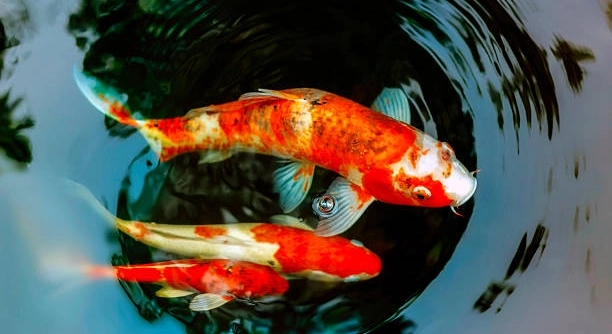
Koi fish are admired for their vibrant and beautiful colors, which enhance any pond or water garden. Many koi owners want to improve their fish’s color to make them more striking and healthy. This article provides simple ways to help achieve that goal.
Improving koi fish color involves optimizing their diet, water quality, lighting, and overall care. Providing specific nutrients, maintaining clean water, and managing environmental factors can enhance pigmentation and vibrancy. Consistent attention to these elements ensures healthier and more colorful koi.
These straightforward methods offer practical steps for koi enthusiasts to enrich their fish’s appearance and wellbeing. Following these tips will help bring out the best colors in your koi over time.
Feeding High-Quality Foods
Feeding koi high-quality foods rich in natural pigments is essential to improve their color. Foods containing carotenoids, such as spirulina, shrimp, and krill, help enhance red and orange hues. A balanced diet also supports overall health, which contributes to vibrant coloration. Avoid overfeeding, as excess food can pollute the water and reduce color intensity. Feeding small amounts multiple times a day is better than one large feeding. Seasonal changes may affect appetite, so adjusting feeding routines can maintain consistent color enhancement. Choosing pellets formulated specifically for koi ensures they receive the necessary vitamins and minerals. This nutritional support promotes brighter scales and a healthier fish overall.
Feeding the right foods consistently leads to gradual but noticeable improvements in koi coloration. It also reduces the risk of nutritional deficiencies that dull their appearance.
Besides providing pigment-rich foods, rotating diet options keeps koi interested in eating and helps maintain a well-rounded nutrient intake. This approach supports both color and vitality effectively.
Maintaining Optimal Water Quality
Maintaining clean and well-balanced water is vital for koi color development. Poor water quality stresses fish and weakens their immune system, which negatively affects pigmentation. Regular water changes and efficient filtration remove harmful substances. Testing water parameters like pH, ammonia, nitrite, and nitrate ensures conditions remain safe. Stable temperatures also promote healthy metabolism and color retention. Avoid overcrowding, which increases waste and reduces oxygen levels. Plants in the pond can help absorb excess nutrients and provide shade, reducing algae growth that clouds water. Clear water allows light to penetrate better, enhancing koi’s natural colors. Monitoring water quality frequently prevents issues before they affect fish appearance.
Good water quality supports both koi health and vibrant coloration by minimizing environmental stress.
Ensuring the pond environment remains clean and balanced creates optimal conditions for koi to display their full color potential throughout the year.
Providing Adequate Lighting
Proper lighting is important for koi color enhancement. Natural sunlight brings out their brightest colors. Too much shade or low light can cause colors to fade over time.
Sunlight stimulates pigment cells in koi, enhancing reds, oranges, and blacks. If the pond is shaded by trees or structures, consider pruning or repositioning elements to increase light exposure. In areas with less natural sunlight, installing full-spectrum LED lights designed for ponds can help maintain vibrant coloration. However, avoid excessive lighting, as it may promote algae growth and stress the fish. Balancing light exposure supports both color and koi wellbeing by mimicking their natural environment. Adjust lighting duration to about 8-10 hours daily for the best results.
The right balance of light keeps koi colors rich and vivid, preventing dull or washed-out appearances. Consistent light conditions help koi maintain their color throughout the year.
Reducing Stress Factors
Stress weakens koi’s immune system and dulls their colors. Minimizing disturbances, such as sudden noise or frequent handling, helps keep koi calm. Stress can come from overcrowding, poor water quality, or predators.
Creating a peaceful pond environment supports healthy coloration by reducing cortisol levels in koi. Avoid sudden changes in water temperature or chemistry, as koi are sensitive to rapid shifts. Providing hiding spots like plants or decorations offers refuge when koi feel threatened. Regular pond maintenance reduces stressors by keeping water stable and clean. Removing aggressive tank mates or predators protects koi from constant fear, which otherwise drains their color. Calm koi exhibit brighter colors because their bodies can focus energy on pigmentation instead of coping with stress.
Managing stress improves koi health and boosts color vibrancy. A stable, quiet environment helps koi show their best appearance naturally.
Regular Pond Cleaning
Keeping the pond clean is essential for koi color and health. Debris and waste buildup can reduce water quality and dull the fish’s colors.
Regular removal of leaves, uneaten food, and sludge prevents harmful bacteria growth. This maintains clear water and a healthier environment for koi to thrive.
Use of Color-Enhancing Supplements
Certain supplements can improve koi coloration by providing concentrated nutrients. These supplements often contain carotenoids, vitamins, and minerals essential for pigment production.
When added to the diet in moderation, they support brighter, more vivid colors. It is important to follow dosage instructions carefully to avoid overuse, which can harm water quality and fish health. Using supplements alongside a balanced diet and good pond management maximizes their effectiveness in enhancing koi color naturally.
Avoid Overcrowding
Overcrowding increases stress and waste, which negatively impacts koi color. Ensuring enough space promotes healthier, more colorful fish.
Seasonal Care Adjustments
Adjusting care routines with seasons helps maintain koi color. Cooler months may require dietary and feeding changes.
FAQ
How often should I feed my koi to improve their color?
Feeding koi two to three small meals a day is ideal for color enhancement. Frequent small feedings ensure they receive a steady supply of nutrients without overloading the pond with excess food. Overfeeding can cause water pollution, which dulls their colors. Adjust feeding amounts based on temperature and koi appetite.
Can sunlight alone improve koi color?
Sunlight helps activate pigment cells and can enhance koi coloration. However, relying on sunlight alone is not enough. Proper diet, water quality, and stress management must also be maintained. Natural sunlight should be balanced with shaded areas to avoid overheating or algae problems in the pond.
Are color-enhancing foods necessary for all koi?
Color-enhancing foods are most beneficial for koi showing signs of dullness or fading colors. These foods contain carotenoids and other pigments that help bring out reds, oranges, and yellows. Koi with naturally bright colors still benefit from a balanced diet, but targeted foods can accelerate color improvement.
How important is water quality for koi color?
Water quality is critical for koi health and color. Poor water quality stresses fish, weakening their immune system and causing colors to fade. Regular testing and maintenance of pH, ammonia, nitrite, and nitrate levels help create a stable environment that supports vibrant pigmentation. Clean water also allows better light penetration, improving color visibility.
Can stress cause koi colors to fade?
Yes, stress is a major factor in color loss. Stress from overcrowding, predators, poor water conditions, or sudden changes reduces pigment production. Keeping koi in a calm environment with proper care lowers stress hormones, allowing their natural colors to flourish.
Do lighting and pond placement affect koi color?
Lighting has a direct effect on koi pigmentation. Ponds placed in areas with balanced sunlight encourage healthy color development. Too much shade can dull colors, while too much direct sun can overheat water and promote algae. Using supplemental pond lighting can help maintain color in less sunny locations.
Are supplements safe for koi and pond health?
When used as directed, supplements with carotenoids and vitamins are safe and effective for enhancing koi color. Overuse can lead to water quality issues, so it’s important to follow recommended dosages. Supplements work best when combined with a good diet and pond maintenance.
What role does seasonal care play in koi color?
Seasonal changes affect koi metabolism and appetite. In colder months, koi eat less, and their color can fade. Adjusting feeding routines and diet to suit seasonal needs helps maintain color year-round. Monitoring water temperature and quality during seasonal shifts also supports fish health.
How can I tell if my koi is healthy besides color?
Healthy koi have clear eyes, smooth scales, and active swimming behavior. Bright coloration is a good sign but not the only indicator of health. Watch for signs of illness like lethargy, clamped fins, or unusual spots, and address issues promptly to keep koi vibrant.
Is overcrowding common in home ponds?
Many pond owners unknowingly overcrowd their koi, which raises stress and waste levels. Providing enough space allows koi to grow properly and keeps colors vivid. A general rule is about 250 gallons of water per adult koi to maintain good health and coloration.
Can plants improve koi color?
Plants improve water quality by absorbing excess nutrients, which helps maintain clarity and reduces algae growth. Clear water and a balanced ecosystem contribute indirectly to better koi coloration. Plants also offer shade and hiding spots, lowering stress for the fish.
How long does it take to see color improvements?
Color changes in koi happen gradually. With proper care, noticeable improvements typically appear within a few weeks to months. Consistency in diet, water quality, and lighting is key. Sudden color changes might indicate health issues or environmental stress rather than improvement.
Final thoughts on improving koi fish color focus on consistent care and attention to their environment. Koi are living creatures whose colors reflect their overall health and wellbeing. Simple steps like feeding a balanced diet, maintaining clean water, and providing adequate lighting can significantly impact their appearance. These actions create conditions that support strong pigment development and help koi show their best colors naturally over time.
Stress reduction plays a crucial role in color retention. Koi that experience less stress tend to have brighter and more vibrant colors. Stress can come from overcrowding, poor water quality, sudden changes, or predators. Managing these factors by giving koi enough space, keeping water parameters stable, and minimizing disturbances helps koi stay calm and healthy. A calm environment allows koi to focus energy on coloration rather than coping with stress.
Improving koi color is not about quick fixes but about long-term commitment. Changes in color will happen slowly as koi adjust to improved conditions. Using supplements or color-enhancing foods can aid the process but should be combined with proper pond maintenance and feeding routines. Regular observation and care ensure koi remain healthy and colorful for years. Consistency and patience are key to enjoying koi with rich and vivid colors in any pond setting.

Hello,
If you enjoy the content that we create, please consider saying a "Thank You!" by leaving a tip.
Every little bit helps us continue crafting quality advice that supports the health, happiness, and well-being of pets around the world, for pets of all shapes, sizes, and species.
We really appreciate the kindness and support that you show us!