
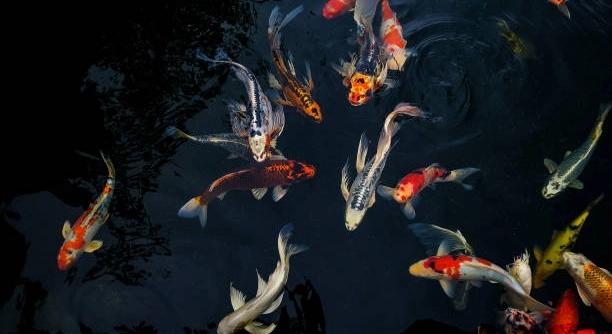
Koi fish are beautiful additions to any pond, but sometimes they stop eating, which can worry their owners. Understanding why this happens is important to keep your fish healthy and happy in their environment.
A koi fish may stop eating due to factors such as water quality, temperature changes, stress, illness, or dietary issues. Identifying the root cause is essential to restore normal feeding behavior and maintain fish health.
Knowing the common reasons behind this behavior will help you take the right steps to support your koi and prevent future problems.
Water Quality Issues
Poor water quality is one of the most common reasons koi fish stop eating. When the water contains too many toxins like ammonia, nitrites, or nitrates, your fish can become stressed or sick. These harmful substances often build up if the pond isn’t cleaned regularly or if the filtration system isn’t working well. Cloudy or smelly water can also signal that the environment isn’t right. Koi fish are sensitive to changes in their surroundings, so keeping the water clean and well-oxygenated is key to their appetite and health. Testing your pond water regularly helps you catch problems early and keep conditions stable.
Bad water affects koi health quickly. Without good water quality, their immune systems weaken, and they may refuse to eat. Keeping your pond clean and balanced encourages them to feed normally.
Maintaining proper water conditions means checking chemical levels often and changing water as needed. Use a reliable test kit to monitor ammonia, nitrites, and nitrates. Aerate the pond to keep oxygen high and remove debris like leaves or algae. A healthy pond means happier, more active koi fish that eat well and grow strong.
Temperature Changes and Feeding Habits
Koi fish are cold-blooded, so their appetite depends on water temperature. When temperatures drop below 50°F (10°C), koi metabolism slows, and they naturally eat less or stop eating altogether. During cooler months, koi enter a resting phase and digest food very slowly. Feeding them during this time can cause health problems like digestive blockages.
As water warms up again in spring, their appetite returns. Adjust your feeding schedule based on the season and water temperature. Offer smaller amounts of food more often when the temperature is between 50°F and 68°F (10°C to 20°C).
Knowing how temperature affects koi feeding helps prevent overfeeding and stress. It’s better to feed less when it’s cold and increase food gradually as water warms. This keeps koi comfortable and healthy year-round.
Stress and Environmental Changes
Koi fish are sensitive to stress caused by changes in their environment. Loud noises, sudden movements, or adding new fish can make them stop eating.
Stress weakens koi immune systems and disrupts normal behavior. When their surroundings change suddenly, koi may hide or become less active. This reduces their appetite and can lead to health issues if stress continues. Keeping the pond quiet and stable helps koi feel safe. Avoid overcrowding and introduce new fish slowly to minimize stress.
Creating hiding spots with plants or decorations offers koi a place to feel secure. Regular pond maintenance and consistent routines reduce surprises. A calm environment encourages koi to eat well and stay healthy.
Illness and Parasites
Illness or parasites are common reasons for koi to lose their appetite. Signs include lethargy, visible wounds, or unusual swimming patterns. These health problems can quickly affect feeding behavior.
If you notice sick koi, isolate them to prevent spreading disease. Use proper medication based on symptoms and consult a vet if unsure. Maintaining clean water lowers disease risks. Parasites such as flukes or worms cause discomfort, making koi avoid food. Treatment includes medicated baths or pond treatments to eliminate parasites.
Early detection is key. Watch your fish daily for changes in behavior or appearance. Prompt action improves recovery chances and helps koi return to normal eating habits sooner.
Overfeeding and Diet Issues
Overfeeding koi can cause them to stop eating properly. Excess food pollutes the water and leads to health problems.
A poor diet lacking variety may also reduce appetite. Feeding balanced food helps maintain koi health and interest in eating.
Seasonal Changes
Seasonal changes affect koi feeding patterns. In warmer months, koi eat more actively, while cooler months slow their metabolism and reduce appetite.
Adjust feeding amounts and frequency according to the season to support koi health and prevent digestive issues.
Poor Tank or Pond Setup
Inadequate pond size, poor filtration, or lack of hiding spaces can stress koi and reduce their desire to eat. A well-maintained environment encourages normal feeding behavior.
Why is my koi fish not eating but still swimming normally?
Sometimes koi will swim around but refuse food because of mild stress or small changes in water conditions. If water quality is off or the temperature is cooler than usual, koi may lose appetite temporarily. It’s important to check water parameters like ammonia, nitrite, nitrate, and temperature to rule out issues. If the water is fine, your koi might just be adjusting to minor changes. Watch for other signs of illness or distress, but often koi will start eating again when conditions improve or after a brief adjustment period.
What should I do if my koi stops eating suddenly?
First, test your pond water to check for any toxic chemicals or sudden changes. Make sure filtration is working properly. Next, observe your koi for any physical signs of illness, like spots, swelling, or abnormal swimming. Reduce feeding or stop feeding for a day or two to avoid fouling the water. Then try offering fresh, high-quality food in small amounts. If your koi still refuses to eat after a few days or shows signs of sickness, consider consulting a fish health expert or veterinarian.
Can temperature really affect my koi’s appetite that much?
Yes, koi are cold-blooded and their metabolism depends on water temperature. Below about 50°F (10°C), koi metabolism slows dramatically and they will naturally eat less or not at all. Feeding koi in cold water can lead to digestion problems. As water warms in spring, their appetite returns. Adjust feeding amounts with temperature changes—feed less in colder months and increase slowly as the water warms to keep koi healthy.
How do I improve water quality to encourage my koi to eat?
Regularly test the water for ammonia, nitrites, and nitrates. Keep ammonia and nitrites at zero, and nitrates below 40 ppm. Perform partial water changes weekly or as needed to remove waste buildup. Clean filters and remove debris from the pond. Adding aeration helps increase oxygen levels. Avoid overfeeding and overcrowding, as these worsen water quality. Clear, clean water reduces stress and encourages koi to eat normally.
Could my koi be sick even if it looks fine?
Yes, koi can hide illness well and may not show obvious symptoms early on. Loss of appetite is often the first sign of illness. Watch for subtle changes like slower swimming, hiding, or slight color changes. Parasites and internal infections can cause appetite loss without visible wounds. If koi refuses food for several days, it’s best to test water quality and consider treatment or professional advice.
Is overfeeding common and harmful for koi?
Overfeeding is a common mistake. Uneaten food pollutes water and causes harmful ammonia spikes. It can also lead to obesity and digestive problems in koi. Feeding only what koi can consume in a few minutes, once or twice daily, helps prevent these issues. Use high-quality pellets and avoid feeding during cold weather to keep koi healthy.
How long can koi go without eating?
Koi can survive several days to a few weeks without food, especially in colder water when their metabolism is slow. However, prolonged fasting in warm weather can weaken their immune system and make them vulnerable to disease. It’s important to monitor koi carefully and take action if they refuse food for more than a few days in warm conditions.
Should I change my koi’s diet if it stops eating?
If koi lose interest in their usual food, try offering different types like fresh vegetables, shrimp, or specially formulated koi pellets. Sometimes changing the food stimulates appetite. Make sure the diet is balanced and suitable for the season. Avoid sudden diet changes that could upset digestion. Variety and quality help keep koi interested and healthy.
Can environmental stress from new fish or loud noises cause koi to stop eating?
Yes, koi are sensitive to stress from sudden environmental changes. Introducing new fish, loud noises, or heavy pond maintenance can frighten koi and reduce their appetite. Provide hiding places and minimize disturbances. Gradually introduce new fish and maintain a calm, stable pond environment to encourage feeding.
When should I seek professional help for a koi that won’t eat?
If your koi refuses food for more than a week, shows signs of illness like lesions, unusual swimming, or rapid breathing, or if water quality tests reveal problems you can’t fix, seek advice from a fish veterinarian or pond specialist. Early treatment improves chances of recovery and helps prevent disease spread in your pond.
Koi fish are wonderful pets, but when they stop eating, it can be worrying. Many factors can cause this behavior, including changes in water quality, temperature shifts, stress, illness, or diet issues. Understanding these reasons helps owners act quickly to improve the koi’s health. Keeping the pond clean, stable, and well-maintained is key to supporting your fish’s appetite and overall well-being. Regularly checking water conditions and adjusting feeding based on temperature and season can prevent many problems.
Stress and illness are common causes that often go unnoticed at first. Koi can hide signs of sickness well, so paying close attention to their behavior and appearance is important. When stress comes from environmental changes like loud noises or adding new fish, creating calm and safe spaces in the pond can help them feel secure again. If illness is suspected, isolating the affected fish and seeking advice from a professional can make a big difference. Prompt care often leads to faster recovery and helps protect the whole pond’s health.
Feeding koi properly is another critical part of keeping them healthy. Overfeeding or feeding the wrong type of food can harm water quality and cause digestive problems. It’s best to feed only what your koi can eat quickly and choose food suitable for the current season. During colder months, feeding less or stopping altogether prevents health issues related to slow metabolism. By understanding these basic care principles, koi owners can ensure their fish stay happy, active, and well-fed throughout the year.

Hello,
If you enjoy the content that we create, please consider saying a "Thank You!" by leaving a tip.
Every little bit helps us continue crafting quality advice that supports the health, happiness, and well-being of pets around the world, for pets of all shapes, sizes, and species.
We really appreciate the kindness and support that you show us!