
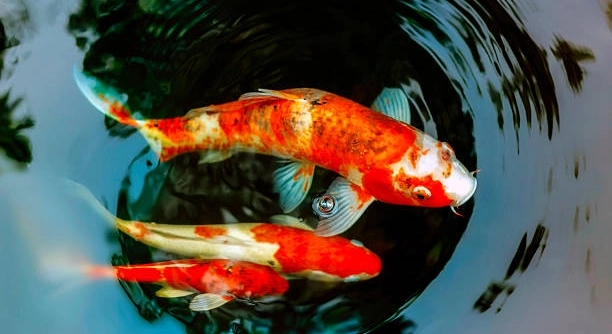
Koi fish are popular for their beauty and peaceful nature in garden ponds. Many koi keepers wonder about the possibility of breeding these fish in their own ponds. Understanding koi breeding requires knowing their habits and environmental needs.
Koi fish can breed successfully when the pond conditions meet their specific requirements, including water temperature, quality, and suitable spawning areas. Breeding is influenced by factors such as the fish’s age, health, and seasonal cycles. Proper preparation ensures higher chances of successful reproduction.
Knowing what koi need for breeding helps create the right environment. This knowledge supports koi keepers in managing their ponds effectively and promoting healthy koi populations.
Factors That Influence Koi Breeding
Several factors affect whether koi fish will breed in a pond. First, water temperature is critical. Koi typically begin spawning when the water reaches around 68°F to 74°F (20°C to 23°C). Seasonal changes trigger their reproductive behavior, usually in spring or early summer. The health and maturity of the koi are also important. Fish should be at least two to three years old and in good condition to breed. The pond environment needs to support spawning, with clean water, proper oxygen levels, and areas like plants or spawning brushes where koi can lay eggs. Stress from overcrowding or poor water quality can prevent breeding. Providing a stable and natural environment increases the likelihood of successful spawning. Understanding these factors helps in preparing the pond and caring for koi to encourage breeding.
Maintaining clean, oxygen-rich water and providing suitable spawning surfaces will significantly support koi reproduction success.
Good pond maintenance is essential. Regular water testing ensures conditions remain ideal for breeding. Avoid sudden temperature fluctuations and keep the pond well-filtered. Adding spawning brushes or plants offers koi places to deposit eggs safely. Overcrowding can lead to stress and aggression, so maintaining a balanced koi population is necessary. Feeding koi a nutritious diet during breeding season also helps maintain their health and readiness. Preparing the pond and monitoring koi behavior increases the chances of a successful breeding season. With patience and care, koi keepers can support natural spawning and enjoy the experience of raising young koi.
Preparing Your Pond for Breeding
Before the breeding season starts, it is important to prepare the pond properly. Remove any debris and make sure the water quality is optimal. Healthy water encourages spawning and increases egg survival.
Pond preparation involves checking water parameters such as pH, ammonia, and nitrate levels. Ideal pH ranges from 7.0 to 8.0, and ammonia and nitrate should be close to zero. Gradually raising the water temperature in early spring mimics natural conditions, signaling koi to spawn. Adding floating plants or spawning brushes gives the fish places to lay eggs. These structures protect the eggs from predators and strong currents. Ensuring enough space reduces stress during spawning. Limiting pond disturbances during this time helps koi focus on breeding. Proper preparation creates a safe environment for koi to reproduce successfully and supports healthy fry development.
Signs Your Koi Are Ready to Breed
Koi show specific behaviors when ready to breed. Males often chase females around the pond, nudging their sides. Females become rounder as eggs develop. Increased activity and splashing are common during spawning season.
Males may become more aggressive, competing for females. You might notice chasing near plants or spawning brushes. Females’ abdomens swell as eggs mature, becoming visibly larger and softer to the touch. These behaviors indicate the fish are preparing to spawn soon. Observing these signs helps you know when the breeding process will start.
Spawning usually occurs early in the morning or late afternoon. During this time, males repeatedly nudge females to release eggs, which then stick to plants or brushes. Eggs hatch in about four to seven days, depending on water temperature. The presence of fry signals successful breeding.
Caring for Koi Eggs and Fry
Koi eggs need clean, oxygen-rich water to develop properly. Excess debris or poor water quality can harm eggs. Providing gentle water flow helps oxygenate the eggs without washing them away.
After hatching, fry require careful feeding. Initially, they survive on yolk sacs, but once these are absorbed, small live foods or specially formulated fry food are necessary. It is important to maintain high water quality during this period to support healthy growth. Protecting fry from adult koi prevents accidental injury or predation. Using separate tanks or breeding nets can increase survival rates. Regular observation helps catch early signs of illness or poor water conditions, allowing for prompt intervention.
Common Challenges in Koi Breeding
Breeding koi can be affected by water quality issues and stress. Poor conditions reduce spawning success and egg survival. Monitoring water parameters regularly is essential to avoid these problems.
Aggressive behavior among males may also disrupt breeding. Ensuring enough space and hiding spots helps minimize conflicts and supports a calmer environment.
Managing Water Quality During Breeding
Maintaining stable water quality is crucial for koi breeding success. Ammonia and nitrite levels must remain at zero to avoid harming eggs and fry. Regular partial water changes help keep the water clean and balanced. Testing pH and temperature daily ensures optimal conditions. Avoid sudden changes, as koi are sensitive to fluctuations. Using aerators or filters improves oxygen levels, which supports egg development. Clean, well-oxygenated water promotes healthy growth and reduces disease risks. Consistent monitoring and maintenance during this period protect both adult koi and their offspring, increasing survival rates and improving overall pond health.
Feeding Adult Koi During Breeding Season
Providing nutritious food supports koi health and breeding readiness. High-protein diets encourage energy and reproductive activity. Feeding small amounts several times daily is best.
FAQ
How long does it take for koi eggs to hatch?
Koi eggs usually hatch within four to seven days after spawning, depending on water temperature. Warmer water speeds up development, while cooler water slows it down. The eggs are sticky and attach to plants or spawning brushes. It is important to keep the water clean and oxygenated during this time for healthy hatching.
What temperature is best for koi breeding?
The ideal water temperature for koi breeding is between 68°F and 74°F (20°C to 23°C). Koi become active and ready to spawn once the water reaches this range, typically in spring or early summer. Maintaining a stable temperature within this range encourages successful spawning and healthy egg development.
Can koi breed in any pond size?
Koi can breed in various pond sizes, but a larger pond with ample space is better. Crowded or small ponds cause stress, which can prevent breeding. Providing enough room for koi to swim freely and enough spawning areas improves their chances of successful reproduction.
Do koi need specific plants for spawning?
While koi do not require specific plants, they prefer places to lay eggs like fine-leaved aquatic plants or spawning brushes. These surfaces protect eggs from being eaten and keep them anchored in place. Adding spawning brushes is a common and effective way to encourage koi to spawn.
How many eggs can a female koi lay?
A female koi can lay thousands of eggs during a single spawning session, sometimes up to 100,000. The exact number depends on her size, age, and health. Not all eggs survive to hatch, so a large quantity increases the chances of fry reaching maturity.
Will adult koi eat their eggs or fry?
Adult koi may eat eggs or fry if left together in the same pond. This behavior is natural as koi do not recognize their offspring. To increase fry survival, it is best to separate eggs and fry using breeding nets or tanks until they are large enough to avoid predation.
How can I tell if koi eggs are healthy?
Healthy koi eggs appear clear to slightly yellowish and are firm to the touch. Unfertilized or dead eggs turn white or cloudy and should be removed quickly to prevent fungal growth, which can spread and harm other eggs.
What should I feed koi fry?
Koi fry initially rely on their yolk sacs for nutrition. Once absorbed, feed them finely crushed high-quality fry food, baby brine shrimp, or microworms. Feeding small amounts several times a day helps promote steady growth and avoids water pollution.
Is it necessary to use a breeder net?
Using a breeder net is helpful to protect eggs and fry from adult koi and predators. It creates a safe space and increases survival rates. Nets also make it easier to manage and observe developing fry during the early stages.
How often should I test water during breeding?
Testing water daily during breeding is important to maintain optimal conditions. Monitor ammonia, nitrite, nitrate, pH, and temperature regularly. Early detection of water issues allows quick correction, which is crucial for protecting eggs and fry.
Can koi breed more than once per year?
Koi generally spawn once per year during the warm months. Some may breed multiple times if conditions remain favorable. However, frequent spawning can stress the fish, so it is important to balance their health with breeding efforts.
What is the best way to encourage koi to spawn?
To encourage koi spawning, simulate natural conditions by gradually raising water temperature and maintaining clean water. Providing spawning brushes or plants, balanced nutrition, and enough space also supports reproductive behavior.
Do koi fry need special lighting?
Koi fry do not need special lighting but benefit from a natural day-night cycle. Avoid exposing fry to direct intense light, which can stress them. Indirect natural light or gentle aquarium lighting is sufficient.
How long before fry grow into adult koi?
Koi fry usually grow into adult size within two to three years, depending on food quality, water conditions, and care. They grow fastest during the first year with proper feeding and environment. Patience is key for successful koi breeding.
Can koi breed without a male?
No, koi require both male and female fish for reproduction. Males fertilize the eggs after the female lays them. Without a male, eggs will not develop and hatch. Keeping a balanced group of koi increases breeding success.
Final Thoughts
Breeding koi fish requires attention to several key factors, including water quality, temperature, and the health of the adult fish. Successful breeding depends on maintaining clean, well-oxygenated water with stable temperature conditions. Monitoring these elements closely during the spawning season can improve the chances of healthy eggs and fry. Providing appropriate spawning areas and ensuring the fish are well-nourished will also contribute to a better breeding outcome. Patience and consistency are important throughout the process, as koi breeding does not always happen on a predictable schedule.
Managing the eggs and fry after spawning is just as important as preparing the adult koi. Eggs need protection from predators and adults that may eat them, which means separating them in a safe area or using breeding nets. Maintaining optimal water conditions helps prevent diseases and supports proper growth of the fry. Feeding the young fish with specialized food in small, frequent portions encourages steady development. Careful observation during this stage allows for early identification of any problems and timely intervention, which can save many young koi from potential harm.
While koi breeding can seem challenging, it is rewarding to see the process unfold successfully. Understanding koi behavior and their environmental needs helps create a supportive breeding environment. By following best practices for water management, feeding, and protection, breeders can increase the survival rate of their koi offspring. Breeding koi is a commitment that requires attention and effort, but it also provides satisfaction in watching the fish thrive from eggs to mature adults. Consistent care and patience are essential for anyone interested in breeding koi fish.

Hello,
If you enjoy the content that we create, please consider saying a "Thank You!" by leaving a tip.
Every little bit helps us continue crafting quality advice that supports the health, happiness, and well-being of pets around the world, for pets of all shapes, sizes, and species.
We really appreciate the kindness and support that you show us!