
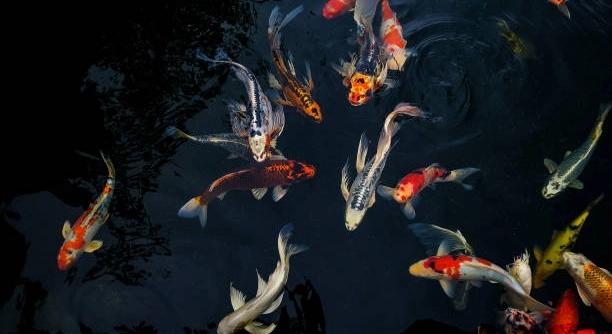
Koi fish are popular for their beauty and peaceful nature. Keeping them healthy requires careful attention, especially when they show signs of stress. Recognizing these signs early helps prevent further problems in their environment.
Stress in koi fish can manifest through changes in behavior, appearance, and swimming patterns. Common indicators include clamped fins, loss of appetite, rapid gill movement, and unusual hiding. Identifying these signs promptly allows for appropriate intervention to restore their well-being.
Knowing how to spot stress in koi fish is essential for maintaining their health. The following information explains key signs and practical ways to calm your koi effectively.
Common Signs of Stress in Koi Fish
Koi fish often show stress through changes that might seem subtle at first. One of the most noticeable signs is clamped fins, where the fins stay close to the body rather than spreading out. Loss of appetite is another clear indicator, as stressed koi tend to eat less or stop eating altogether. Rapid gill movement can show difficulty breathing, often caused by poor water quality or lack of oxygen. Unusual hiding behavior also signals stress, especially if your koi normally swim openly. Color fading or dullness can appear as well, reflecting their discomfort. It is important to observe these signs early because prolonged stress weakens the immune system and can lead to disease. Regularly checking water conditions and fish behavior helps prevent severe issues.
Changes like these should not be ignored. Early detection is key to effective care and recovery.
Monitoring these signs closely can keep your koi healthier and more comfortable in their environment.
How Water Quality Affects Stress
Poor water quality causes significant stress in koi fish. Factors such as high ammonia, nitrite, or nitrate levels can damage gills and reduce oxygen availability. pH imbalance and temperature fluctuations also impact fish health. Dirty water encourages harmful bacteria and parasites, increasing the risk of infection. Proper filtration and regular water changes maintain stable, clean conditions. Testing water frequently helps catch issues before stress escalates. Aeration is essential to keep oxygen levels sufficient, especially in warmer months when oxygen naturally decreases. Keeping the pond environment balanced reduces stress and supports koi vitality. Consistent water care is one of the best ways to prevent stress-related problems and improve overall fish well-being. It takes effort but leads to a more peaceful, thriving pond.
Maintaining ideal water conditions is crucial for your koi’s stress prevention.
Water quality directly affects koi behavior, immune response, and lifespan. Consistency in pond maintenance prevents stress buildup and associated health risks. Cleaning filters, changing water regularly, and avoiding overfeeding help keep water parameters balanced. Sudden changes in water chemistry should be avoided as they shock the fish. Using water conditioners can reduce harmful chemicals and stabilize pH levels. Adding plants helps improve oxygen levels and provides natural filtration. Monitoring these factors carefully creates a healthy environment that minimizes stress triggers. In return, koi show better color, activity, and appetite. Taking steps to improve water quality addresses stress from its source rather than just symptoms, supporting long-term fish health and enjoyment.
Diet and Feeding Habits
Koi under stress often lose interest in food. This can lead to weight loss and weaken their immune system, making them more vulnerable to illness.
Maintaining a balanced diet is important to reduce stress in koi. Avoid overfeeding, as excess food decays and pollutes the water. Offer high-quality pellets designed for koi, supplemented occasionally with fresh vegetables or treats like peas. Feeding smaller amounts more frequently encourages consistent eating without overwhelming their system. Monitor how much your koi consumes and remove leftover food promptly to maintain water quality.
Changes in diet can also signal stress. If your koi suddenly refuses food, it may indicate illness or poor water conditions. Adjust feeding based on the season and temperature, since koi metabolism slows in colder weather. Proper feeding supports recovery and overall health, reducing the effects of stress.
Handling and Environmental Factors
Frequent handling or sudden movements can frighten koi, increasing stress. Avoid unnecessary contact and be gentle when maintenance requires it.
Koi are sensitive to their surroundings. Loud noises, sudden shadows, or changes in lighting can cause stress. Keep the pond environment calm and stable. Avoid overcrowding, as competition for space and resources leads to aggression and stress. Providing hiding spots like plants or shaded areas gives koi a place to retreat and feel secure. Regular pond cleaning and proper aeration reduce harmful conditions. Maintaining a consistent environment minimizes stress triggers and helps koi thrive.
Reducing external disturbances and creating a peaceful habitat improves koi well-being significantly.
Signs of Physical Injury
Physical injuries can cause significant stress in koi fish. Look for torn fins, sores, or wounds that may have resulted from sharp objects, fights, or rough handling.
Injured koi often isolate themselves and reduce movement. Prompt treatment and removal of hazards are essential to prevent infections and further stress.
Improving Pond Aeration
Adequate oxygen levels are vital for koi health. Poor aeration leads to rapid gill movement and lethargy, both signs of stress.
Improving aeration can be done by adding air pumps, waterfalls, or fountains. These increase oxygen circulation and help maintain a stable environment for your koi.
Temperature Fluctuations
Sudden changes in temperature stress koi and weaken their immune systems. Keeping the pond temperature stable helps prevent illness and discomfort.
Use pond heaters or shade structures to manage temperature extremes and maintain a comfortable habitat year-round.
FAQ
How can I tell if my koi fish is stressed?
Signs of stress include clamped fins, loss of appetite, rapid gill movement, and unusual hiding behavior. You might also notice faded colors or sluggish swimming. These symptoms indicate that the fish is uncomfortable and may require immediate attention to improve its environment.
What causes stress in koi fish?
Stress in koi often comes from poor water quality, sudden temperature changes, overcrowding, rough handling, and inadequate oxygen levels. Environmental factors like loud noises or strong water currents can also disturb them. Identifying and fixing these issues helps reduce stress effectively.
How often should I test my pond water?
Testing water weekly is ideal to monitor ammonia, nitrite, nitrate, pH, and oxygen levels. Frequent checks allow you to catch problems early, preventing stress and health issues. Use reliable water testing kits and keep records to track changes over time.
What is the best way to feed stressed koi?
Feed small portions of high-quality koi pellets once or twice a day. Avoid overfeeding to prevent water pollution. If koi are not eating, try offering boiled peas or special treats to encourage appetite. Adjust feeding frequency during colder months when metabolism slows.
Can stress cause disease in koi?
Yes, stress weakens the immune system, making koi more susceptible to infections, parasites, and fungal growth. Prolonged stress can lead to serious illnesses. Addressing stress early supports overall health and helps prevent disease outbreaks in the pond.
How do I improve oxygen levels in my pond?
Increase aeration by adding air pumps, waterfalls, fountains, or surface agitation devices. Plants also help oxygenate water during the day. Proper aeration keeps gill function normal and reduces stress caused by low oxygen availability.
What should I do if my koi fish has a physical injury?
Remove the koi to a separate quarantine tank if possible. Clean wounds gently and use appropriate treatments like antibacterial solutions or medications. Keep water clean to prevent infection. Monitor the fish closely and avoid stressing it further during recovery.
Is overcrowding a common cause of stress?
Yes, overcrowding increases competition for food and space, leading to aggression and stress. Ensure your pond size matches the number of koi you keep. Adding more hiding spots and plants can reduce tension but does not replace adequate space.
How can I manage temperature fluctuations in my pond?
Use pond heaters during cold seasons and provide shade in hot weather. Avoid sudden changes by gradually adjusting water temperature if you add new water. Stable temperature reduces stress and keeps koi more comfortable.
How long does it take for koi to recover from stress?
Recovery time varies based on the cause and severity of stress. Minor stress may improve within days after conditions improve. Severe or prolonged stress could take weeks and might require treatment. Consistent care and monitoring are key for full recovery.
Are there natural remedies to calm stressed koi?
Some pond owners use herbal supplements or salt baths to reduce stress. Adding aquarium salt can help with minor infections and improve slime coat health. Always follow dosage instructions and consult experts before trying remedies.
Can poor diet cause stress in koi?
An unbalanced or low-quality diet weakens koi and may lead to stress. Provide a nutritious diet with proper protein, vitamins, and minerals. Avoid feeding only one type of food and limit treats to keep koi healthy and stress-free.
What role does pond cleanliness play in koi stress?
Dirty ponds increase toxins, parasites, and harmful bacteria, causing stress and illness. Regular cleaning, filter maintenance, and partial water changes are essential to maintain a safe environment. A clean pond supports koi health and reduces stress factors.
How can I safely handle koi during maintenance?
Use a soft net and handle koi gently to avoid injury. Keep fish wet and limit handling time. Avoid sudden movements and loud noises. When possible, perform maintenance with minimal disturbance to reduce stress.
Is hiding behavior always a sign of stress?
Not always. Koi sometimes hide for resting or during spawning. However, if hiding increases suddenly or fish stop swimming normally, it may indicate stress or illness. Observe other signs to determine if action is needed.
Final Thoughts
Koi fish are sensitive creatures that react quickly to changes in their environment. Stress can affect their health and behavior in many ways. Recognizing the signs of stress early is important to prevent more serious problems. Changes in appetite, unusual swimming patterns, and physical symptoms like clamped fins or sores are clear indicators. Addressing these signs promptly helps protect your koi and keeps them healthy. Providing clean water, proper food, and a stable environment forms the foundation of good koi care.
Maintaining good water quality is one of the most effective ways to reduce stress in koi. Regular testing and cleaning prevent harmful substances from building up. Proper aeration ensures enough oxygen reaches the fish, which supports their overall well-being. Temperature control also plays a vital role. Sudden shifts can weaken koi and make them vulnerable to disease. Keeping conditions stable allows koi to thrive. Overcrowding should be avoided to reduce competition and aggressive behaviors, which are common stressors.
Stress management involves more than just fixing problems; it requires ongoing attention to the koi’s needs. Careful feeding habits, gentle handling, and providing hiding places contribute to a calm environment. If injuries or illness occur, prompt treatment is necessary to prevent worsening stress. Monitoring your koi regularly and making adjustments as needed will improve their chances of long-term health. A consistent and thoughtful approach to koi care supports their natural resilience and beauty over time.

Hello,
If you enjoy the content that we create, please consider saying a "Thank You!" by leaving a tip.
Every little bit helps us continue crafting quality advice that supports the health, happiness, and well-being of pets around the world, for pets of all shapes, sizes, and species.
We really appreciate the kindness and support that you show us!