
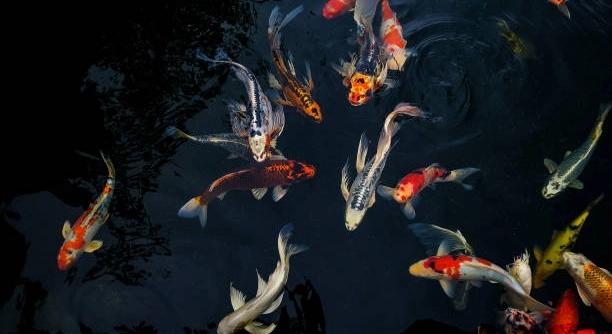
Koi fish are popular for home ponds and tanks, but choosing the right tank shape can affect their well-being. Many koi keepers wonder if long or tall tanks are better for these colorful fish. This article offers clear guidance on the topic.
Koi fish prefer long tanks over tall ones because they require ample horizontal swimming space. Tall tanks limit their movement and can cause stress, while long tanks better mimic natural pond environments and promote healthier fish behavior.
Proper tank shape is essential for koi health and comfort. Understanding their needs will help create a suitable environment for these graceful fish.
Why Long Tanks Are Better for Koi Fish
Long tanks provide koi fish with more horizontal space to swim freely. Koi are active swimmers and need room to move side to side comfortably. Tall tanks may seem spacious, but they limit the fish’s natural swimming patterns. This can cause stress and reduce their overall health. Koi also prefer to swim near the water surface and mid-levels, which long tanks accommodate better. The increased surface area in long tanks allows for better oxygen exchange, improving water quality. Proper water circulation is easier to maintain in a longer tank, which benefits koi. Additionally, long tanks offer more space for decorations, plants, and hiding spots, helping koi feel secure. Overall, long tanks better replicate a pond environment, supporting natural behavior and well-being. For koi keepers, investing in a long tank means healthier, happier fish.
Long tanks improve koi fish health and reduce stress by providing suitable swimming space and water conditions.
Long tanks are generally preferred over tall tanks because they align with koi fish swimming needs. The horizontal layout lets koi swim in straight lines or gentle curves, mimicking their pond habitats. Tall tanks force koi to swim vertically, which is unnatural and tiring. This can lead to slower growth and weakened immune systems. Water surface area is crucial for oxygen levels; long tanks increase this area, supporting koi respiration. Better oxygenation also helps beneficial bacteria thrive, maintaining water quality. Long tanks make it easier to manage temperature and filtration, creating a stable environment. With more space for plants and structures, koi can explore and hide, reducing stress. This combination of factors leads to stronger koi, less disease, and more vivid colors. Selecting a long tank is a practical choice for anyone serious about koi care.
Considerations When Choosing a Tank for Koi Fish
Tank size matters as much as shape when housing koi fish. A tank must be large enough to accommodate the koi’s adult size and activity levels.
The ideal tank volume for koi starts at 250 gallons, depending on the number of fish. Koi grow large and need ample water to support their size and waste output. A long tank that meets this volume requirement helps maintain water quality and fish comfort. If a tank is too small, koi become stressed and prone to illness. Filtration must also match the tank size to keep the environment clean. Regular maintenance is easier with sufficient space, and koi behavior improves. Choosing the right tank size combined with a long shape creates the best environment for koi health.
When selecting a tank for koi, consider their adult size and swimming habits carefully. A long tank with enough volume supports their natural movement and helps maintain water quality. Adequate filtration and regular care are also necessary. Smaller tanks or tall tanks can cause health problems and stress. Koi thrive in stable, spacious environments that allow them to swim horizontally without restriction. Their growth and colors benefit from such conditions. Planning tank size and shape with these needs in mind is essential for keeping koi fish successfully. A long, roomy tank supports a healthy life for koi and makes maintenance manageable for owners.
Tank Shape Impact on Water Quality
Tank shape affects how well water circulates and oxygenates. Long tanks provide better surface area for gas exchange. This keeps oxygen levels stable, which koi need to stay healthy.
In long tanks, water flows more evenly, preventing dead spots where waste can build up. Better circulation also helps filtration systems work efficiently, reducing harmful ammonia and nitrate levels. In contrast, tall tanks may cause poor water movement, making it harder to maintain clean conditions. Consistent water quality is critical for koi, as they produce a significant amount of waste. With long tanks, maintaining balanced water parameters is simpler, reducing stress and disease risks.
The increased surface area in long tanks encourages oxygen exchange and helps keep the environment clean. Better water circulation supports healthy bacterial colonies in the filter, improving water quality further. Koi need these stable conditions to thrive and grow strong.
Practical Considerations for Tank Setup
Long tanks require more floor space but make maintenance easier by providing better access to all areas. They allow for natural koi behavior during cleaning or feeding.
Setting up a long tank involves placing filtration and aeration equipment to maximize water movement along the length. Proper lighting and decorations can be spread out, giving koi room to swim and explore. Tall tanks may be harder to reach and clean effectively, especially at the bottom. Long tanks also allow more even temperature distribution, reducing stress on fish. For koi owners, investing time in a well-planned long tank setup pays off by simplifying care and improving fish health.
Long Tanks Support Natural Swimming
Koi naturally swim in wide, open spaces. Long tanks allow them to move horizontally without restriction. This supports healthy exercise and reduces stress.
Tall tanks force koi to swim up and down, which is not typical behavior. This can tire the fish and limit their activity.
Tank Depth and Fish Comfort
While depth is important for koi, overly tall tanks do not improve comfort. Moderate depth combined with length is better for swimming and turning.
Maintaining Long Tanks
Cleaning long tanks can take more time, but it helps keep water quality high. Proper maintenance supports koi health over the long term.
Tank Material Considerations
Glass and acrylic are common tank materials. Acrylic tanks can be shaped longer and lighter, while glass tanks offer clarity and durability.
FAQ
Do koi fish need a lot of space to swim?
Yes, koi fish require ample swimming space to stay healthy. They grow quite large and are active swimmers, so they need a tank that offers plenty of horizontal room. Small or cramped tanks can cause stress and limit their natural movements.
Can koi live in tall tanks?
Koi can live in tall tanks, but these are not ideal. Tall tanks restrict horizontal swimming, which is the way koi naturally move. This limitation can lead to stress and health issues. A long tank is preferable because it supports their normal behavior better.
How deep should a koi tank be?
The depth should be moderate, generally around 2 to 3 feet. Depth helps koi avoid temperature swings and provides hiding spaces, but extreme depth is not necessary. Too deep a tank can reduce oxygen levels at the bottom and limit the fish’s preferred swimming zone.
Is filtration more important in a long tank?
Filtration is critical in any koi tank, regardless of shape. However, long tanks typically allow for better water circulation, which supports filtration efficiency. Proper filtration removes waste and toxins, keeping the water clean and healthy for koi.
How many koi can I keep in a tank?
The number depends on tank size and volume. A common guideline is about 250 gallons per adult koi. Overstocking stresses the fish and makes water quality management difficult. Always plan for koi’s adult size when deciding tank capacity.
Do koi prefer ponds over tanks?
Koi naturally thrive in ponds because of the space and natural environment. However, well-maintained long tanks can simulate these conditions adequately. Tanks require more attention to filtration, oxygenation, and space to keep koi healthy.
What is the best shape for a koi tank?
A long, rectangular tank is best. It provides sufficient horizontal space and surface area for oxygen exchange. This shape supports natural swimming behavior and better water quality management compared to tall or narrow tanks.
How often should I clean a koi tank?
Regular cleaning is essential. Partial water changes should occur weekly or biweekly, depending on tank size and filtration quality. Cleaning prevents toxin buildup and maintains a stable environment, crucial for koi health.
Can I keep plants in a koi tank?
Yes, plants can improve water quality by absorbing nitrates and providing hiding spots. Choose hardy plants that withstand koi nibbling, like water lilies or lotus. Plants also enhance the tank’s natural appearance and benefit koi well-being.
Are tall tanks harder to maintain?
Tall tanks can be more challenging to maintain because cleaning deep corners and ensuring proper water circulation is difficult. Long tanks offer easier access for maintenance and more stable water conditions, simplifying daily care.
Does tank material affect koi health?
Tank material itself does not directly affect koi health if it is safe and non-toxic. Acrylic tanks are lighter and can be formed longer, while glass tanks provide clarity and durability. Both types work well if maintained properly.
Can koi jump out of a tank?
Koi can jump, especially when startled or during feeding. A tank should have a secure cover or be placed in a location that minimizes escape risk. Providing enough space and minimizing sudden disturbances can reduce jumping behavior.
Final Thoughts
Choosing the right tank shape for koi fish is essential for their well-being and health. Long tanks are generally better because they give koi plenty of room to swim horizontally, which is their natural behavior. This helps reduce stress and promotes stronger, healthier fish. Tall tanks may look impressive, but they limit the space koi need to move comfortably. A moderate depth combined with a long length offers the best environment for koi to thrive.
Water quality and circulation are also easier to manage in long tanks. The increased surface area allows for better oxygen exchange, which koi need to stay active and healthy. Good water circulation helps prevent the buildup of harmful waste and supports effective filtration. Keeping the water clean is crucial since koi produce a large amount of waste. A long tank’s design usually supports these needs better than a tall, narrow tank.
Maintenance and setup should also be considered when choosing a tank. Long tanks take more floor space but provide easier access for cleaning and equipment placement. They allow for a more natural layout with enough room for decorations, plants, and swimming space. Although tall tanks may save floor space, they can be harder to clean and maintain. Overall, investing in a long tank provides a healthier and more comfortable home for koi fish.

Hello,
If you enjoy the content that we create, please consider saying a "Thank You!" by leaving a tip.
Every little bit helps us continue crafting quality advice that supports the health, happiness, and well-being of pets around the world, for pets of all shapes, sizes, and species.
We really appreciate the kindness and support that you show us!