
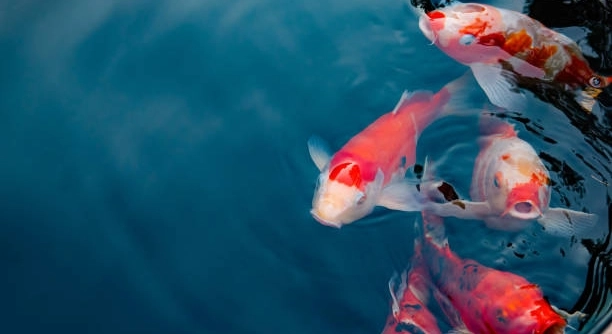
Many people enjoy keeping koi fish as a peaceful addition to their garden ponds. These colorful fish grow at different rates, and understanding when they are fully grown can help with proper care. Knowing their growth timeline is important for koi enthusiasts.
A koi fish is generally considered fully grown between 3 to 5 years of age, depending on its environment and genetics. Most koi reach their maximum size of about 24 to 36 inches during this period, though growth can continue slowly afterward.
Learning about koi growth patterns helps owners provide the right space and nutrition for their fish’s healthy development. This knowledge can make caring for koi more rewarding and enjoyable.
Understanding Koi Growth Stages
Koi fish go through several growth stages from fry to full adult size. When they hatch, koi are tiny, just a few centimeters long. During their first year, they grow rapidly if given proper care and enough food. This rapid growth slows down after the first year, but koi continue to grow steadily for the next few years. Their growth depends on factors such as water temperature, diet, and pond size. In warm water, koi grow faster because their metabolism is higher. If the pond is too small, growth can be stunted. Nutrition plays a key role—high-quality food with balanced nutrients supports healthy development. By the time koi reach three years, most will have reached a good portion of their adult size. However, some koi, especially larger varieties, may keep growing slowly beyond five years. Understanding these stages helps in planning proper care and environment adjustments.
Growth rates vary, but careful monitoring can ensure koi develop healthily and reach their full potential.
Caring for koi at each growth stage requires attention to their environment. Young koi need warmer water and more frequent feeding, while adult koi do better with stable conditions and varied diets. Providing enough space is critical because koi that are crowded may grow slower or become stressed. A pond at least 1,000 gallons is ideal for adult koi. It’s also important to test water quality regularly to keep fish healthy. Changes in water temperature and oxygen levels can affect growth. Seasonal variations will cause koi growth to slow or pause in colder months, but growth picks up again as temperatures rise. Keeping track of these factors allows koi owners to create the best environment for steady growth and long life.
Factors Affecting Koi Size
Koi size is influenced by genetics, diet, and living conditions. Genetics determine the potential maximum size of the fish. Different koi varieties naturally grow to different sizes. A well-fed koi in a large, clean pond will grow bigger than one in poor conditions.
Nutrition directly impacts how quickly and well koi grow. Feeding high-quality koi pellets and occasional treats like vegetables or worms provides necessary nutrients. Overfeeding, however, can cause health problems and water quality issues.
Water quality affects koi health and size. Clean water with proper oxygen levels allows koi to grow without stress. Poor water quality can stunt growth and cause disease. Regular maintenance, such as filtering and changing water, is necessary to support healthy growth.
By understanding these factors, koi owners can make better decisions to help their fish reach full size and maintain good health. Adjusting diet and environment ensures koi thrive over the years.
How Long Does It Take for Koi to Reach Full Size?
Koi typically take about 3 to 5 years to reach full size. Growth depends heavily on care, diet, and pond conditions. Some koi may grow slower or faster based on these factors.
During the first year, koi experience rapid growth, often doubling or tripling their size. Afterward, growth slows but continues steadily until around year five. In ideal conditions—clean water, proper nutrition, and enough space—koi can reach 24 to 36 inches by this time. However, growth rates vary among individual fish and koi breeds. Some larger varieties may take longer to reach full size, and others might remain smaller depending on genetics. Seasonal temperature changes also affect how fast koi grow, with warmer months promoting faster growth.
Providing a balanced diet rich in protein during the growing season supports healthy development. Avoid overcrowding the pond since limited space restricts growth. Monitoring water quality and temperature helps keep koi comfortable and growing steadily. Slow growth often signals an issue with care or environment, so adjustments may be needed.
Signs Your Koi Is Fully Grown
A fully grown koi usually stops growing noticeably and maintains a stable size over time. Their body shape becomes fuller and more defined. The colors tend to be more vibrant and set in.
When koi stop increasing in length and weight for several months or longer, it’s a good indication they’ve reached their adult size. Mature koi often develop a thicker body compared to juveniles. You might notice less active swimming but a calm presence in the pond. Fully grown koi also respond well to feeding but won’t show the same growth spikes they had as younger fish. Knowing these signs can help you recognize when your koi have matured and focus more on maintenance and health rather than growth.
Pond Size and Koi Growth
A larger pond gives koi more room to grow and swim freely. Small ponds can limit their size and affect overall health.
At least 1,000 gallons is recommended for adult koi. More space means better water quality and less stress, which helps koi reach their full size naturally.
Temperature’s Role in Growth
Koi grow faster in warmer water because their metabolism speeds up. Cold water slows their growth and activity. Maintaining stable, moderate temperatures helps support consistent growth throughout the year.
Feeding Frequency for Healthy Growth
Young koi need to be fed more often—up to three times daily during warm months. Adult koi usually do well with one or two feedings a day.
How Genetics Influence Koi Size
Genetics play a big role in how large koi can grow. Some breeds naturally stay smaller, while others can become quite large. Knowing your koi’s breed helps set realistic growth expectations.
FAQ
How fast do koi fish grow in their first year?
Koi grow very quickly in their first year, often reaching 6 to 10 inches or more. This rapid growth is due to their young metabolism and plenty of food. Proper water conditions and nutrition during this time help them develop strong bones and healthy bodies.
When do koi stop growing?
Most koi slow down growth after about 3 to 5 years but may never fully stop growing. Growth continues at a much slower rate after reaching adult size, depending on their environment and care. Some koi keep growing slightly for many years.
Can koi grow bigger than their pond size?
Koi cannot grow larger than their environment can support. A small pond limits their growth because of space and water quality. Larger ponds with good filtration let koi grow closer to their full potential size.
What is the average size of a fully grown koi?
Fully grown koi usually reach between 24 and 36 inches long. Some varieties stay smaller, while others, like jumbo koi, can grow over 36 inches in the right conditions. Size depends on genetics and care.
How does water temperature affect koi growth?
Warmer water speeds up koi metabolism, encouraging faster growth. When water gets too cold, koi slow down and may stop growing temporarily. Keeping water temperatures stable between 65°F and 75°F is ideal for steady growth.
What should I feed koi for the best growth?
Feed koi high-quality pellets designed for their size and age. Young koi need protein-rich food, while adults benefit from balanced diets including vegetables and occasional treats like worms. Avoid overfeeding to prevent water problems.
How often should koi be fed?
During warm months, young koi may need feeding three times a day, while adults usually do well with once or twice daily. In colder months, feeding should be reduced or stopped when water temperature drops below 50°F.
Can overcrowding slow koi growth?
Yes, overcrowding causes stress and reduces oxygen and nutrients in the pond. This stunts growth and can lead to illness. Providing enough space per fish and good filtration helps koi stay healthy and grow well.
Do koi grow in winter?
Growth slows or pauses in winter because koi become less active and eat less when the water is cold. They typically resume normal growth when temperatures rise again in spring.
How long do koi live?
Koi can live 20 to 30 years, and some even longer with excellent care. A healthy environment and proper nutrition are key to a long life.
Can koi growth be reversed or slowed?
Growth naturally slows as koi age. Poor water quality, lack of space, or insufficient food can also stunt growth but aren’t good for the fish’s health. Healthy care ensures steady growth to full size.
What signs show a koi is unhealthy and may not grow properly?
Signs include dull colors, slow movement, poor appetite, and unusual spots or injuries. Regular water testing and observation can catch problems early, helping koi recover and grow properly.
Is it normal for koi to stop growing suddenly?
Sometimes koi pause growth due to seasonal changes or stress. If the pause lasts too long, it may signal illness or poor water quality. Check environment and care to support recovery.
Can koi grow larger than their parents?
It’s rare, but possible. Genetics largely determine size, so offspring usually reach similar sizes as their parents. Better care and environment can improve growth slightly beyond parental size.
Does the type of koi affect growth rate?
Yes, some breeds grow faster or larger than others. For example, Kohaku and Ogon tend to grow large, while Shubunkin often stay smaller. Knowing your koi’s breed helps set expectations for growth.
Koi fish grow at different rates depending on many factors, such as their environment, diet, and genetics. Generally, koi reach full size between 3 and 5 years, but some varieties may take longer or stay smaller. Proper care plays a major role in helping koi reach their potential size. Things like clean water, enough space, and good nutrition all support healthy growth. Understanding how koi grow can help owners provide the best conditions for their fish. It also allows you to notice if something isn’t right with their development early on.
Taking care of koi means paying attention to their pond and daily needs. A larger pond with good filtration keeps water clean and oxygen-rich, which koi need to thrive. Feeding them balanced food and avoiding overfeeding prevents water problems and keeps koi healthy. Temperature affects koi growth too — they grow faster in warm water but slow down in cold months. Watching how your koi behave, eat, and grow gives clues about their health. When growth slows or stops, it may be normal or a sign to check water quality and environment.
Koi can be a wonderful addition to a pond, and learning about their growth helps make caring for them easier. Knowing when a koi is fully grown and what factors influence their size means you can give them the right space and food. This knowledge helps koi live longer, healthier lives and grow beautifully over time. While koi growth varies, the best results come from consistent care and a comfortable environment. Paying attention to these details will help your koi reach their full potential and bring enjoyment for many years.

Hello,
If you enjoy the content that we create, please consider saying a "Thank You!" by leaving a tip.
Every little bit helps us continue crafting quality advice that supports the health, happiness, and well-being of pets around the world, for pets of all shapes, sizes, and species.
We really appreciate the kindness and support that you show us!