
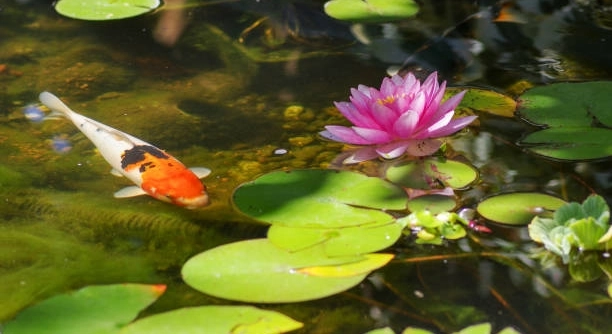
Koi fish are beautiful and calming pets that many people enjoy keeping in their ponds. Sometimes, koi don’t grow as expected, which can be frustrating for their owners. Understanding why your koi fish isn’t growing is important to help them thrive.
Several factors can affect koi growth, including poor water quality, inadequate nutrition, overcrowding, illness, and stress. Addressing these issues promptly with proper care and environment adjustments can encourage healthy growth and development in your koi fish.
Learning about these common growth problems will help you provide better care. Knowing how to fix them ensures your koi stay healthy and grow well over time.
Poor Water Quality
Water quality plays a huge role in koi growth. If the water is dirty or unbalanced, koi can become stressed or sick, which slows their growth. Ammonia, nitrite, and nitrate levels need to be checked regularly because high levels can poison your fish. pH balance is also important; koi prefer a pH between 7.0 and 8.5. Temperature affects metabolism too—water that is too cold or too hot can make koi less active and stunt growth. Regular water changes and proper filtration help maintain clean, healthy water. If your pond isn’t filtered well or cleaned often, growth can be limited. It’s easy to overlook water testing, but it is one of the simplest ways to improve your koi’s environment and boost their growth potential.
Maintaining proper water conditions reduces stress and supports your koi’s immune system. This helps them grow stronger and healthier.
Testing water weekly and using a good filter system can prevent most water quality problems. Consistent care will make a big difference in your koi’s growth rate.
Inadequate Nutrition
Poor diet is a major reason koi don’t grow well. Feeding low-quality food or not enough food means your koi won’t get the nutrients they need. Koi require a balanced diet rich in protein, vitamins, and minerals. Special koi pellets are formulated to support their growth and color. Overfeeding can also be harmful because leftover food pollutes the water and causes health issues. Feeding small amounts two to three times a day is better than one large feeding. During colder months, koi metabolism slows, so they eat less. Providing the right food in the correct amounts helps koi build muscle and stay healthy.
Choosing food designed for koi is key to healthy growth. Avoid cheap fish food that lacks essential nutrients.
A diet rich in protein and nutrients supports cell repair and growth. Adding occasional treats like vegetables or live food can enhance their diet but should not replace balanced pellets. Paying attention to feeding habits will help your koi reach their full size.
Overcrowding
Too many koi in one pond limits space and resources. Overcrowding causes stress and competition for food, which slows growth. Each koi needs enough room to swim freely and access to clean water.
When koi are crowded, water quality often worsens quickly due to increased waste. This creates a harmful environment that stunts growth and raises the chance of disease. Koi need at least 250 gallons of water per fish to thrive. Providing enough space lowers stress and allows better oxygen flow in the pond, both vital for healthy growth.
Overcrowded ponds also make it hard for koi to get enough food. Dominant fish may eat more while others go hungry. This unequal feeding affects weaker fish’s growth. Ensuring proper pond size and fish number keeps your koi healthy and growing steadily.
Illness and Parasites
Illness or parasites can seriously affect koi growth by draining energy and damaging their health. Fish with infections often stop eating and become weak, which directly slows growth. Some parasites can irritate the skin or gills, making it hard for koi to breathe and stay healthy.
Common koi diseases include bacterial infections, fungal issues, and parasitic infestations like flukes or anchor worms. Early detection is critical; look for unusual behavior, spots, or sores on your fish. Quarantining new koi before adding them to the pond helps prevent spreading disease. Treating illnesses quickly with proper medication and maintaining clean water will give your koi the best chance to recover and grow normally. Keeping the pond environment stable and stress-free also reduces the risk of disease.
Stress
Stress from loud noises, sudden changes, or predators can stunt koi growth. Stress weakens their immune system, making them more prone to illness and poor feeding.
Keeping the pond calm and safe reduces stress. Avoid sudden water changes and protect koi from animals like herons or raccoons.
Genetics
Genetics play a key role in how big koi grow. Some koi have a natural limit based on their breed and family background. Even with perfect care, genetics set growth potential.
Selective breeding focuses on size, color, and shape, but not all koi will reach the same size. Understanding your koi’s genetic background helps set realistic expectations for growth.
Temperature Effects
Koi metabolism slows in cold water, reducing appetite and growth. In colder seasons, koi may barely grow as they conserve energy.
Maintaining stable temperatures within the ideal range (65–75°F) supports consistent growth throughout the year.
Why is my koi fish not growing even though it eats well?
Eating well is important, but growth depends on more than just food intake. Even if your koi eats regularly, factors like poor water quality, stress, or illness can prevent it from growing. If the water has high ammonia or low oxygen, your fish’s metabolism slows down. Stressful environments or parasites also reduce nutrient absorption, so the koi doesn’t get the full benefit of its food. Make sure water tests are good and check for signs of disease to support healthy growth.
How often should I test my pond water?
Testing water at least once a week is ideal for maintaining a healthy pond environment. Regular checks for ammonia, nitrites, nitrates, pH, and oxygen levels help catch problems early. If you notice fish acting oddly or poor growth, test more frequently. Consistent water testing lets you adjust filtration and water changes before issues become serious, keeping koi stress-free and growing.
Can overcrowding really stunt koi growth?
Yes, overcrowding can cause significant growth problems. When too many fish share limited space, they compete for food and oxygen. Waste builds up quickly, hurting water quality and stressing the koi. Stress lowers their immune response, making illness more likely. Each koi needs enough space — about 250 gallons per fish is a good rule of thumb. Providing enough room helps your fish eat better, stay healthier, and grow to their full size.
What kind of food is best for koi growth?
High-quality koi pellets designed for growth are best. These pellets contain the right balance of protein, vitamins, and minerals. Protein helps build muscle and supports healthy development. Avoid cheap fish food with fillers that don’t provide proper nutrition. During warmer months, feed your koi two to three times daily in small amounts. In colder months, reduce feeding because metabolism slows. Occasionally supplement with treats like vegetables or live foods for variety, but pellets should be the main diet.
How do temperature changes affect koi growth?
Koi are cold-blooded, so water temperature directly impacts their metabolism. When water is too cold (below 60°F), koi become sluggish and eat less, slowing growth. Optimal growth occurs between 65°F and 75°F when metabolism is active. Sudden temperature swings stress koi and can lead to illness. Keeping water temperature stable supports consistent eating and healthy growth all year long.
Can stress stop my koi from growing?
Stress is a major factor that can halt koi growth. Causes include loud noises, predators, sudden water changes, or poor water quality. Stress reduces appetite and weakens the immune system, making it harder for koi to grow. Minimizing disturbances and providing a calm, safe environment lowers stress levels. Use hiding spots and protect your pond from predators to keep koi comfortable and growing.
How do I know if my koi is sick?
Signs of illness include lethargy, loss of appetite, clamped fins, unusual swimming patterns, or visible spots and sores. Parasites may cause rubbing against surfaces or flashing. Early detection is crucial; quarantine sick fish and treat promptly with appropriate medication. Maintaining clean water and reducing stress help prevent disease and promote growth.
Is genetics really that important for koi growth?
Genetics set the natural limits on koi size and shape. Some breeds grow larger, while others remain smaller. Even with perfect care, genetics determine how big a koi can get. Understanding your koi’s breed and lineage helps set realistic growth expectations. Selective breeding focuses on traits like color and size, but individual variation still occurs.
Can I speed up my koi’s growth?
While you can’t change genetics, improving water quality, nutrition, and reducing stress can help koi reach their full potential faster. Provide clean, well-oxygenated water, feed a balanced diet, and avoid overcrowding. Avoid sudden temperature changes and keep the environment stable. Good care encourages healthy, steady growth without risking fish health.
What should I do if my koi still isn’t growing?
If your koi isn’t growing despite good food and water quality, consider consulting a vet or fish specialist. Hidden illnesses or parasites might be present. Also, review your pond setup for space and temperature issues. Sometimes, koi just grow slowly due to genetics. Monitoring closely and adjusting care routines is key to finding the cause and helping your koi thrive.
Taking care of koi fish can be very rewarding, but it does require attention to many details. Growth problems are common, and they often happen because of a few main reasons. Poor water quality, improper feeding, stress, overcrowding, illness, genetics, and temperature changes all play a role in whether your koi grows well. Understanding these factors helps you take better care of your fish and improve their chances of healthy growth.
Water quality is one of the most important things to watch. Dirty or unbalanced water can cause stress and illness in koi, which slows growth. Testing your pond water regularly for ammonia, nitrites, nitrates, and pH is necessary. Keeping the water clean with good filtration and regular changes supports the health of your fish. Feeding the right food in the right amounts is also key. High-quality koi pellets made for growth give your fish the nutrients they need. Overfeeding or underfeeding can both cause problems. During colder months, koi eat less and grow slower, so adjusting feeding habits with the seasons is important.
Other factors like overcrowding and stress are often overlooked but can have a big impact. Giving your koi enough space and protecting them from predators or loud noises helps keep them calm and healthy. Illnesses and parasites are another concern and should be treated quickly to avoid long-term damage. Lastly, genetics influence how large your koi will grow, so it is helpful to have realistic expectations based on your fish’s breed. By paying attention to all these details and making small changes when needed, you can help your koi live a healthy life and reach their full growth potential.

Hello,
If you enjoy the content that we create, please consider saying a "Thank You!" by leaving a tip.
Every little bit helps us continue crafting quality advice that supports the health, happiness, and well-being of pets around the world, for pets of all shapes, sizes, and species.
We really appreciate the kindness and support that you show us!