
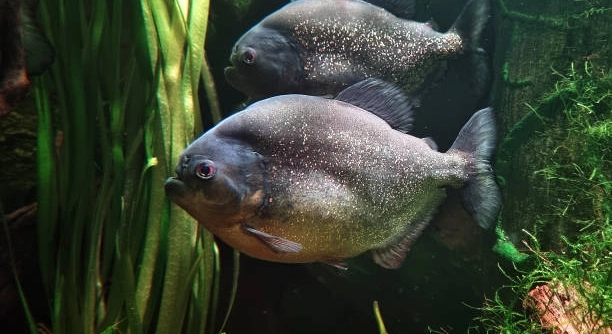
Piranhas are often seen as fierce, always hungry fish that attack anything in the water. However, there are surprising moments when these fish ignore food, showing behavior that seems unusual for their reputation. This article explores those unexpected times.
Piranhas sometimes avoid food due to environmental factors, stress, or health issues. These instances reveal that their feeding behavior is more complex than just aggression and hunger. Understanding these moments helps clarify their natural habits and survival strategies.
Knowing why piranhas ignore food can provide insight into their behavior and care. These examples highlight how various factors influence their feeding patterns.
When Piranhas Are Stressed
Piranhas may refuse food when they are under stress. Stress can come from changes in their environment, like new fish being added to the tank or sudden loud noises nearby. Even changes in water temperature or quality can make them stop eating. When stressed, their bodies focus on survival rather than feeding. In the wild, stress helps piranhas stay alert to danger, but in captivity, it can lead to loss of appetite. Observing their environment carefully can help identify stressors. Sometimes, simply giving them time to adjust helps them start eating again. Stress-related food refusal is a sign to check water conditions, tank mates, and noise levels. Keeping a calm, stable environment helps maintain healthy feeding behavior. This is important because consistent feeding supports their growth and overall health, reducing chances of illness.
Stress causes piranhas to focus on safety, not food, leading to temporary refusal. Reducing stress helps restore normal eating habits.
Managing stress in piranhas means creating a stable tank environment. Avoid sudden changes in temperature or water quality, and limit loud noises near their habitat. Introducing new fish gradually allows piranhas to adjust without panic. Observing their behavior daily helps catch signs of stress early. Providing hiding spots in the tank can make them feel secure. Feeding smaller amounts more often may encourage eating when they start to feel better. Patience is key; some piranhas take longer to adapt to changes. Monitoring water parameters like pH and ammonia levels also supports their comfort. When stress is reduced, piranhas are more likely to eat regularly and remain healthy.
Seasonal Changes Affect Feeding
Seasonal changes often affect how much piranhas eat. In cooler months, their metabolism slows, so they need less food. In warmer months, they become more active and eat more. This natural rhythm is important to recognize when caring for them in tanks. Feeding less during colder periods prevents overfeeding and health problems. Offering food that mimics their natural diet helps maintain their interest. Seasonal shifts may also change their behavior, making them less aggressive or more territorial. Watching for these changes allows better care. Ignoring seasonal feeding patterns can lead to stress or illness. Adjusting feeding routines to match seasons supports their health and well-being throughout the year.
Seasonal feeding patterns are normal for piranhas. Adjusting food amounts keeps them healthy and active.
Recognizing the effect of seasons on piranhas’ appetite can improve their care. During colder months, offer smaller, less frequent meals to match their reduced metabolism. Use live or fresh food similar to what they would eat in nature, like small fish or insects, to keep them interested. In warmer months, increase feeding gradually as their activity rises. Be careful not to overfeed, which can cause water quality issues and harm their health. Seasonal changes may also affect their social behavior, so watch for signs of stress or aggression. Providing a stable environment and adjusting care routines helps piranhas thrive year-round, respecting their natural cycles.
Illness and Feeding Refusal
Piranhas often refuse food when they are sick. Illness weakens their bodies and lowers their appetite. Signs like lethargy or unusual swimming patterns often accompany this behavior.
When piranhas get sick, their immune systems struggle, making it hard for them to eat normally. Common illnesses like infections or parasites cause discomfort, leading to a loss of appetite. Not eating can make recovery slower, so early detection is important. Watching for other signs such as faded colors, clamped fins, or swelling can help identify illness. Providing clean water and proper treatment encourages healing. Sometimes, they may need special food or medications to regain strength. Ignoring feeding refusal during illness risks worsening their condition.
If a piranha stops eating and shows signs of sickness, testing water quality and isolating the fish might be necessary. Maintaining hygiene and stable conditions prevents disease spread. Feeding small, easy-to-digest meals during recovery supports their health and speeds healing.
Tank Size and Overcrowding
Small or crowded tanks stress piranhas and reduce feeding. Overcrowding leads to competition for food and space, causing some fish to eat less or stop eating.
A cramped environment increases aggression and stress, which disrupts normal feeding habits. Piranhas need enough space to swim freely and establish territory. When overcrowded, dominant fish may bully others, preventing them from accessing food. Poor water quality due to overcrowding also lowers appetite and weakens immune systems. Ensuring the tank is large enough and not overcrowded improves feeding and overall well-being. Regular water changes and careful monitoring help keep the environment healthy. Providing hiding places reduces stress and supports natural behavior, encouraging consistent feeding in all fish.
Water Quality Issues
Poor water quality can cause piranhas to stop eating. High ammonia, nitrite, or nitrate levels make the environment unhealthy and stressful for them.
Regular water testing and changes are essential to keep water clean. Clean water supports their health and encourages regular feeding, preventing refusal caused by toxic conditions.
Natural Feeding Cycles
Piranhas naturally eat less during some parts of the day or year. Their feeding habits can slow down during low light or cooler temperatures.
Understanding these natural cycles helps adjust feeding schedules. Providing food when they are most active improves their willingness to eat and overall health.
Food Preferences
Piranhas may refuse food if it doesn’t match their preferences. They often prefer live or fresh food over pellets or processed options.
Offering varied food types keeps them interested and ensures they get proper nutrition. Trying different foods can help identify what your piranhas like best.
Why do piranhas sometimes ignore food even when they seem hungry?
Piranhas may ignore food despite appearing hungry because of factors like stress, illness, or environmental changes. Sometimes, they are adjusting to a new tank or new tank mates. If water quality is poor, they may avoid eating. Even natural feeding cycles or seasonal changes can make them less interested in food temporarily.
How can I tell if my piranha is stressed or sick?
Look for signs such as unusual swimming patterns, hiding more than usual, faded colors, or clamped fins. Sick piranhas often become lethargic and may stop eating. Stress can also cause aggression or nervous behavior. Checking water quality and tank conditions can help determine if external factors are causing problems.
What should I do if my piranha stops eating?
First, check the water parameters like ammonia, nitrites, nitrates, pH, and temperature. Make sure the tank isn’t overcrowded and there are no sudden environmental changes. Observe the fish for signs of illness. Offering live or fresh food may encourage eating. If the problem continues, isolating the fish and consulting a vet or expert can be helpful.
Can feeding the wrong type of food cause piranhas to refuse eating?
Yes, piranhas often prefer live or fresh food like small fish or insects. Processed pellets may not be appealing or nutritious enough. Offering varied food options helps keep them interested and healthy. Sometimes, they may refuse food simply because it is not what they naturally prefer.
How often should I feed my piranhas?
Generally, feeding once a day or every other day is enough for adult piranhas. Younger or smaller piranhas may require more frequent meals. Overfeeding can lead to water quality issues and health problems. Adjust feeding frequency based on their activity level, size, and environment.
Does tank size affect piranha feeding behavior?
Yes, a tank that is too small or overcrowded causes stress and competition for food. This can make some piranhas stop eating or eat less. Providing enough space reduces aggression and allows all fish to feed comfortably, promoting healthier behavior and appetite.
What role does water temperature play in feeding?
Piranhas’ metabolism slows in cooler water, reducing their appetite. Warmer water increases activity and feeding. Maintaining stable temperatures within their preferred range is important. Sudden changes in temperature can cause stress and food refusal.
Is it normal for piranhas to skip meals occasionally?
Yes, skipping meals sometimes is normal, especially if they are stressed or adjusting to changes. However, long periods without eating may signal a problem. Monitoring their overall health and environment helps identify if skipping meals is a concern.
How can I encourage a picky piranha to eat?
Try offering different types of food, such as live feeder fish, shrimp, or insects. Changing feeding times to when they are most active can help. Reducing stress in the tank by adding hiding spots or reducing noise may also encourage eating.
Can piranhas eat plants or vegetarian food?
Piranhas are primarily carnivores and rarely eat plants. They need protein from meat sources like fish or insects. Some may nibble on plants occasionally, but plants cannot replace their dietary needs. Providing appropriate meat-based food ensures their health.
What should I do if multiple piranhas refuse food at the same time?
This could indicate a tank-wide problem such as poor water quality, disease, or stress. Test water parameters and look for signs of illness or aggression. Improving tank conditions, performing water changes, and isolating sick fish can help resolve feeding issues.
Can piranhas starve themselves to death?
If a piranha stops eating for a long time, it can become weak and more vulnerable to illness. While they usually don’t starve intentionally, prolonged refusal to eat due to stress, illness, or poor conditions can be fatal. Early action is crucial to prevent starvation.
How important is diet variety for piranhas?
Diet variety is very important to provide all necessary nutrients and prevent boredom. Feeding different types of live and frozen food supports their health. A varied diet also mimics their natural feeding habits, encouraging better appetite and growth.
Are piranhas aggressive towards each other when feeding?
Yes, piranhas can become aggressive during feeding, especially in crowded tanks. Dominant fish may scare others away from food. Providing enough food and space helps reduce fighting. Feeding smaller amounts multiple times a day can also decrease aggression.
Can feeding schedule changes cause piranhas to ignore food?
Sudden changes in feeding times may confuse piranhas, causing temporary food refusal. Keeping a consistent feeding schedule helps maintain regular appetite. If changes are necessary, gradual adjustment allows them to adapt without stress.
Piranhas are often seen as fierce and always hungry fish, but their feeding behavior is more complex than many think. Sometimes, they ignore food for reasons that might seem surprising. These reasons include stress, illness, changes in the environment, or even natural cycles in their feeding habits. Understanding why piranhas stop eating helps us care for them better. It also shows that they are more sensitive to their surroundings than just being aggressive eaters. This knowledge is important for anyone who keeps piranhas as pets or studies them in the wild.
Taking care of piranhas means paying attention to many details. Water quality is one of the most important factors. Clean, well-maintained water helps piranhas feel safe and healthy, encouraging them to eat regularly. Tank size and the number of fish also matter because overcrowding causes stress and fights. Stress can lead to refusal of food, even if they are hungry. Illness can also cause feeding problems, so watching for signs like unusual swimming or changes in color is important. If a piranha stops eating, checking all these factors can help find the cause and make sure the fish recovers.
Lastly, it’s useful to remember that piranhas have natural habits and preferences. They may eat less during certain times of the day or year, and they often prefer live or fresh food. Offering varied diets and feeding at consistent times helps maintain their appetite. Sometimes, patience is needed when piranhas refuse food, especially if they are adjusting to new environments or recovering from stress. With careful observation and good care, piranhas can stay healthy and active. Understanding their behavior around feeding leads to a better experience for both the fish and their caretakers.

Hello,
If you enjoy the content that we create, please consider saying a "Thank You!" by leaving a tip.
Every little bit helps us continue crafting quality advice that supports the health, happiness, and well-being of pets around the world, for pets of all shapes, sizes, and species.
We really appreciate the kindness and support that you show us!