
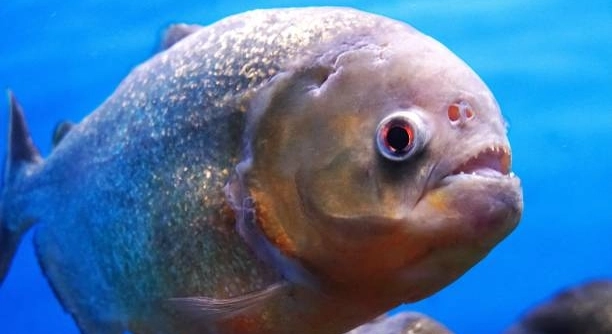
Have you ever been surprised by how unpredictable wildlife can be, especially when it comes to animals known for their fierce reputation?
Piranhas have been documented biting a surprising range of non-food items, including metal objects, wooden paddles, fishing boots, and even plastic bottles. These instances typically occur when the fish feel threatened or agitated in confined waters.
Some of these encounters reveal just how powerful and instinct-driven these small but mighty fish can be in unexpected moments.
A Paddle, a Boot, and a Plastic Bottle
It might sound odd, but there have been real cases of piranhas biting into things like paddles, boots, and even floating plastic bottles. These bites usually happen when people are fishing or moving through shallow waters where piranhas feel cornered or disturbed. The wooden paddles, often used to steer boats, can sometimes resemble prey movements in the water. Heavy rubber fishing boots, especially when splashing, may also draw attention. Plastic bottles tossed into rivers have been found with sharp bite marks—likely mistaken for food or as a response to vibrations. These actions aren’t aggressive in the way people imagine. Piranhas rely on reflexes and quick decisions, and in some cases, they misfire. In overcrowded or disturbed conditions, their senses get overwhelmed, and they respond without pause. It’s a fast and automatic reaction, not a calculated attack. People nearby often don’t realize how easily these things can trigger bites.
A man once pulled his boot out of the water only to find it torn. He hadn’t noticed anything while standing there.
These moments help show how easily noise, motion, or foreign objects can confuse or upset a group of fish. It’s not about hunger, but about overstimulation and defense.
A Camera, a Can, and a Piece of Glass
A diver’s waterproof camera was once bitten during a wildlife filming trip. The light reflections and its sudden movements triggered the fish.
The aluminum of soda cans and even fragments of broken glass have been bitten too, often when they float along rivers. The shiny surface of a can or glass shard reflects light in a way that mimics the scales of fish. In tense or noisy waters, piranhas may lunge before realizing what it actually is. These fish don’t rely much on long observation. Their instinct tells them to react immediately. In some recorded instances, entire groups reacted together, each fish following the lead of the first one. The bite may last only a second, but it leaves real marks. These aren’t mindless animals—they just rely heavily on instinct. Unusual items in the water, especially if they shine or move, are often mistaken for something living. The result is a quick but sharp bite.
A Metal Watch, a Ring, and a Spoon
Shiny jewelry and metal objects can attract quick bites from piranhas. A sudden flash from a watch or ring underwater might be enough to cause confusion. Movements that mimic fish scales or prey often set off this kind of response.
One swimmer reported losing a metal ring while cooling off in a river. The moment his hand splashed underwater, he felt a jolt and saw a quick flash near his wrist. Piranhas are known to be sensitive to sound, vibration, and light. Metallic glints under the surface can easily catch their attention, especially in groups. Even simple spoons used for bait preparation near the shore have been bitten. These moments usually happen so fast, the person doesn’t even see the fish—only the mark left behind or a missing item. The reaction is more about defense and confusion than hunger or aggression.
Someone cleaning fish with a metal spoon near the riverbank noticed sudden tugging in the water. Piranhas had approached and bitten the spoon, likely drawn by the smell of fish and the shine. These fish often associate specific sights and scents with food. A shiny object near the water’s edge, paired with fish residue, becomes an easy target. It’s not deliberate. It’s just how they’re wired—quick, reactive, and always scanning for signs of prey or threat.
A Fishing Line Float
Even simple gear like fishing line floats has attracted bites. These objects don’t smell like food, but the bobbing movement and bright colors can create confusion. Piranhas may lunge, mistaking them for something alive or edible.
A fisherman once reported his float being bitten through in seconds during a busy afternoon at the river. He had just cast his line when the float dipped, not from a catch, but because the float itself was targeted. In this case, the float’s motion resembled a small injured fish. Bright reds and oranges, often used for visibility, can also mimic blood or wounded prey. When groups of piranhas are nearby and agitated, they can react as a pack. One fish’s lunge can lead the rest to follow. These attacks don’t happen often but remind us that even gear can be misunderstood in fast-moving waters.
A Pair of Sunglasses
A pair of sunglasses slipped from someone’s shirt pocket during a boat ride and hit the water. Within seconds, a piranha snapped at it. The reflection and splash likely triggered the reaction, not the object itself.
The smooth shape and glinting lenses may have mimicked a fish’s body. Piranhas act fast when stimulated by motion and light.
A GoPro Camera on a Stick
A GoPro on an extension pole was once bitten during underwater filming. The device moved slowly through a shallow stream with several piranhas nearby. One fish broke off from the group and lunged at the camera. The glossy lens cover and the movement likely caused the confusion. The fish backed off immediately after the strike, but not before leaving visible scratches on the casing. Piranhas don’t always need scent or sound to react. Visual cues, especially in tight spaces where they feel defensive, are enough to provoke a bite. They rely on reflex, and sometimes even cameras look like prey to them.
A Piece of Soap
Floating soap bars have triggered attacks. The texture, shape, and movement in water confuse the fish, especially in crowded rivers.
FAQ
Why do piranhas bite non-food items at all?
Piranhas bite non-food items mainly due to instinct. In fast or crowded waters, they rely on quick reactions to survive. When they see something shiny, fast-moving, or irregular, they may mistake it for prey or a threat. These bites are usually not aggressive but reactive. Their environment plays a big role—low visibility, strong currents, or nearby movement can make it harder for them to assess what they’re seeing. So if a metal object or plastic item floats by, their first instinct might be to strike before figuring out what it really is.
Are piranhas naturally aggressive toward humans?
Piranhas are not as aggressive as many believe. They usually avoid humans unless provoked, threatened, or in very confined spaces. Most bites happen when people disturb their area, especially during dry seasons when water levels drop and space is limited. Even then, they are more likely to nip at toes or fingers rather than launch a full attack. In most cases, these bites are about defense or confusion, not hunger. Piranhas don’t actively hunt humans—they respond to stress and stimuli in their environment.
Do all species of piranhas behave this way?
Not all piranhas are the same. There are over 30 known species, and their behavior varies widely. Red-bellied piranhas are the most commonly linked to bites, mostly because they are more social and often move in groups. Some other species are much calmer and solitary, making them less likely to bite anything other than their normal prey. Habitat also plays a role—piranhas in heavily disturbed or populated rivers may behave more erratically than those in quieter regions.
What are the most common triggers for bites?
The most common triggers are movement, noise, flashing lights, or vibrations. Splashing, dropping items into the water, or even walking too quickly through shallow streams can provoke them. During feeding frenzies, even a slight ripple can cause the group to react. People who fish or swim near piranha habitats are often advised to avoid wearing shiny jewelry, tossing trash in the water, or creating sudden disturbances. These actions may not always cause a bite, but they can attract unwanted attention.
Can piranhas bite through metal or thick plastic?
Piranhas have strong jaws and sharp teeth, but they aren’t super-powered. They can pierce softer metals, thin plastics, or rubber if they hit the right spot, but they usually can’t crush thick materials. Most bite marks on objects like cameras, watches, or fishing gear are scratches or dents, not full breaks. However, lighter items—like plastic floats or thin glass—can be cracked or pierced. Their bite is strong for their size, but it has limits.
How can people protect themselves and their items?
The best protection is awareness. Avoid tossing or carrying reflective objects near the water. Keep items secured and avoid splashing or dragging things along the surface. If you’re filming or fishing, keep gear steady and be mindful of sudden movements. Clothing and boots should cover skin, especially in shallow water. And always be cautious near known piranha zones during dry seasons when water levels are lower. Simple care and attention go a long way in avoiding incidents.
Do piranhas bite out of curiosity?
In a way, yes. Piranhas use their mouths like some animals use their paws—they test, react, and defend. If something enters their space and behaves oddly, they might nip just to figure out what it is. This kind of bite is fast and often shallow. It’s not out of curiosity like a dog sniffing something new, but it’s similar in that they’re trying to quickly understand if something is a threat, food, or neither.
Are there any signs that piranhas are nearby?
You usually won’t see them coming. Piranhas don’t surface often and tend to stay hidden under the water. Still, signs of their presence include sudden fish movements, quick splashes, or silence from other wildlife. In some places, locals will avoid certain parts of rivers because they know piranhas gather there. If fish guts, blood, or food scraps are in the water, that can attract them too. Staying alert and learning local behavior patterns can help you stay safe.
Final Thoughts
Piranhas are often misunderstood. While they are known for their sharp teeth and strong bite, most of their behavior comes from instinct and reaction—not from aggression. The idea that piranhas are always looking to bite anything in the water is not accurate. Most of the time, they just want to be left alone. But when something flashes, splashes, or moves too fast near them, they may react quickly. Their senses are sharp, and they don’t always stop to think before they act. This is why items like metal watches, sunglasses, plastic bottles, or even fishing gear can end up bitten.
These stories show that piranhas don’t go around biting things for no reason. In most cases, the object either moved in a strange way, looked like food, or created a sound or vibration that made the fish think it was something living. Even small things, like a floating soap bar or the shiny lens of a camera, can confuse them. It’s not that piranhas are smart enough to know what a GoPro is—they simply see something new and react. Their world is fast-paced, and they make decisions in seconds. This can lead to bites that surprise people, especially when the object has no smell or taste of food at all.
It’s helpful to know that the environment plays a big role in how piranhas behave. In calm, open water, they may ignore things completely. But in crowded rivers or during the dry season, they become more alert and quick to react. This doesn’t mean people should be afraid of them, but it does mean we should be careful and respectful around their habitat. Avoid tossing trash or shiny objects into the water. Don’t splash or disturb the surface more than necessary. If you’re fishing or filming near piranhas, keep your gear steady and close. Understanding how piranhas behave helps reduce risk and clears up a lot of the myths people still believe. They are not mindless attackers—they are just fast and sensitive to change. Recognizing that can make being around them safer and a little less mysterious.

Hello,
If you enjoy the content that we create, please consider saying a "Thank You!" by leaving a tip.
Every little bit helps us continue crafting quality advice that supports the health, happiness, and well-being of pets around the world, for pets of all shapes, sizes, and species.
We really appreciate the kindness and support that you show us!