
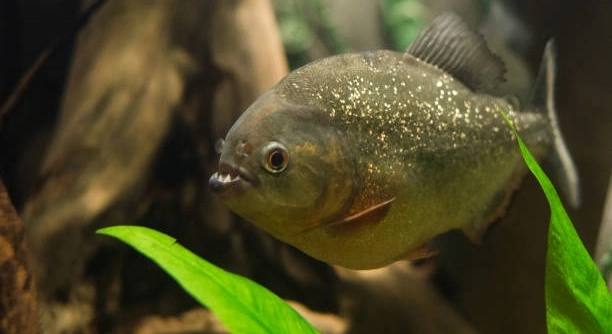
Have you ever watched a piranha swim calmly, only for it to suddenly snap at something in the water? These sudden bites can seem unpredictable but are actually influenced by several clear environmental and biological factors.
A piranha’s first bite is influenced by water temperature, stress levels, hunger, group behavior, scent, movement in the water, and light exposure. These elements affect how alert and reactive the fish becomes when something enters its environment.
Each factor plays a role in shaping the piranha’s behavior, making it important to understand what drives that first quick snap.
Water Temperature Affects Their Instincts
Piranhas are sensitive to changes in water temperature. When the water is warmer, their metabolism speeds up, making them more active and more likely to bite. Cooler water can slow them down, often reducing their interest in hunting. These fish are naturally drawn to movement, especially when they are already in a heightened state from warm conditions. Temperature also plays a role in their digestion, which in turn affects how quickly they feel hungry again. In the wild, seasonal changes shift their feeding behavior, and in captivity, even small fluctuations in temperature can influence how alert they are. Keeping water within a steady range helps avoid sudden changes in their biting patterns. When the environment stays predictable, their behavior is less erratic and easier to manage or observe.
A stable water temperature leads to more consistent behavior. Warmer water can trigger quick reactions, while cooler temperatures often calm them down.
Understanding how temperature connects to feeding behavior makes it easier to manage or predict a piranha’s first bite. It also highlights how essential proper tank maintenance or natural habitat conditions are when trying to avoid unexpected aggression.
Hunger Triggers Aggressive Reactions
A hungry piranha is more likely to react strongly to any movement near it.
These fish rely on sharp instincts to locate food, and hunger heightens those senses. When a piranha hasn’t eaten in a while, it becomes more alert, scanning its surroundings for any sign of a possible meal. Hunger can override caution, making them bolder and more likely to bite first rather than hesitate. This behavior is especially noticeable when they detect vibrations or scents in the water. Even in groups, if one fish is hungrier than the rest, it may strike first and cause a chain reaction. Feeding routines help minimize this. Regular feeding times keep hunger in check, reducing the chance of spontaneous aggression. Skipping feedings or irregular routines can throw them off balance, increasing tension and triggering more reactive behavior. For those keeping piranhas, consistent feeding is not just about nutrition—it also plays a direct role in maintaining safer and more predictable behavior in the tank.
Group Behavior Changes Their Reactions
Piranhas behave differently when kept alone versus in a group. In a group, they are more confident and likely to feed quickly. This competitive setting often pushes them to bite faster when food or movement is present.
Group settings bring out more active and coordinated behavior in piranhas. When one fish starts to react to a stimulus, the others quickly follow, creating a chain reaction. This is why a group of piranhas will often attack at once, even if the trigger was small. Isolation, on the other hand, can lead to stress or hesitation. A single piranha may be less responsive or take longer to react unless it feels threatened. In group tanks, bites are more likely to happen faster due to the competitive atmosphere. Feeding them at the same time and observing their response can help reduce this sudden behavior and bring more balance to their reactions.
In group dynamics, hierarchy can also play a role. The dominant piranhas often bite first, while the others follow. This order isn’t fixed but shifts depending on health, age, and feeding consistency. When fish feel secure and have a routine, they’re less likely to strike out of stress. Unpredictable feeding or crowding can trigger unnecessary aggression. Balancing their numbers with enough space helps limit excessive biting and keeps group behavior in check. Feeding them in separate spots can also lower food-related competition. This makes the tank environment more stable and their behavior easier to manage, especially during the early stages of feeding when reactions are strongest.
Movement Stimulates a Response
Piranhas are naturally drawn to quick or jerky movements in the water. This often signals potential prey or danger. Even the ripple from a hand or sudden splash can prompt them to react instinctively with a fast bite.
Their eyesight works best when detecting motion. In the wild, they track injured or flailing fish, and their brains are wired to associate sudden movement with food. In tanks or small environments, the same response kicks in if something shifts quickly near them. This isn’t about aggression—it’s about instinct. Avoiding fast movements near the water helps reduce their reactive bites. If startled, even a calm piranha may snap, especially if it feels cornered. Controlled feeding using tools instead of hands can prevent this. In nature or captivity, movement acts as a strong signal to them, so staying consistent and calm when around them helps reduce unnecessary biting.
Stillness can ease their tension. Even small changes like turning off bubbling filters during feeding or avoiding bright, flickering lights can make a difference. Piranhas notice their surroundings quickly. When there’s less chaos in the water, they’re calmer and slower to react. Over time, consistent exposure to quiet feeding routines and steady movement can reduce their need to strike so quickly. Movement doesn’t always mean food, but their instincts are strong enough to treat it that way. Being mindful of what goes on around their tank or space keeps them from misinterpreting common activity as a threat or opportunity to bite.
Scent in the Water Triggers Instincts
Piranhas have a strong sense of smell that helps them detect blood or food in the water. Even a small trace of scent can trigger a fast bite, especially if they’re already alert or slightly hungry.
Scents spread quickly in water, and piranhas respond fast when they detect one. A single drop of fish oil or protein can lead to quick, sharp reactions. Avoiding spills during feeding and using controlled portions can keep the tank calmer.
Light Exposure Alters Their Behavior
Bright light can make piranhas nervous or more reactive. In dimmer settings, they tend to stay calmer and less jumpy. Sudden changes in lighting can cause stress and lead to biting. Keep light levels steady, especially during feeding, to help maintain balanced behavior and reduce overstimulation.
Stress from Handling or Environment
Loud noise, tapping on the tank, or overcrowding can cause stress. Stressed piranhas react faster and more aggressively, especially during feeding times. Reducing outside disturbances and keeping their space clean and quiet helps limit unnecessary reactions and keeps their biting behavior more controlled.
FAQ
What causes a piranha’s first bite to be aggressive?
A piranha’s first bite is often a response to several triggers, including hunger, sudden movement, or changes in water conditions. When a piranha senses food or potential danger, it reacts instinctively with a quick bite. This behavior is natural and helps them survive in the wild. Their sharp teeth and fast reflexes are designed for quick attacks, especially when their environment signals the presence of prey or threats. Understanding these triggers helps explain why the first bite may seem aggressive rather than deliberate or random.
How does water temperature influence their biting behavior?
Water temperature directly affects a piranha’s metabolism and activity levels. Warmer water speeds up their metabolism, making them more active and likely to bite quickly. In colder water, their movements slow down, and their biting response tends to be less frequent or less intense. Maintaining a stable and appropriate temperature is important to keep their behavior predictable. Sudden temperature changes can cause stress, which may increase biting or erratic movements.
Why does hunger make piranhas bite faster?
When piranhas are hungry, their senses become sharper, and they are more alert for food. Hunger increases their motivation to bite quickly at anything that looks or smells like food. This heightened state reduces hesitation, causing a more immediate reaction. Regular feeding schedules help manage this behavior by reducing the chances of impulsive biting caused by sudden hunger.
Can the presence of other piranhas affect biting?
Yes, group behavior greatly influences biting reactions. Piranhas in groups often show more aggressive and faster biting because they compete for food and react to each other’s movements. When one fish bites, it can trigger a chain reaction among the others. In contrast, isolated piranhas might be less likely to bite immediately but may still react if stressed or threatened.
How does movement near the tank influence their bite?
Piranhas are wired to react to sudden or quick movements as a sign of prey or danger. Movements like tapping, splashing, or sudden hand gestures can cause them to snap quickly. Staying calm and avoiding abrupt motions near their tank reduces the chance of startling them into biting. Using feeding tools instead of hands can also help prevent accidental bites.
Does scent in the water affect biting behavior?
Piranhas have a strong sense of smell and respond to scents like blood or food particles. Even small amounts of certain scents can trigger biting. This sensitivity helps them detect prey in the wild. In captivity, managing scents during feeding and avoiding contamination reduces unnecessary biting caused by scent cues.
How does lighting impact their aggression?
Lighting affects piranhas’ comfort levels and reactivity. Bright or flickering lights can increase stress and lead to faster biting reactions. They tend to be calmer in dimmer or steady lighting conditions. Keeping the lighting consistent helps reduce stress-related biting and makes their behavior easier to predict.
What role does stress play in their biting?
Stress from noise, overcrowding, or frequent disturbances increases a piranha’s likelihood to bite. Stressed fish are more defensive and reactive. Reducing environmental stressors such as loud sounds, constant tapping, or poor water quality can calm them down and decrease aggressive bites.
Are piranhas dangerous to humans?
While piranhas have sharp teeth and can bite, attacks on humans are rare and usually happen only if the fish feel threatened or provoked. In controlled environments, proper handling and care minimize any risks. They generally avoid humans unless disturbed or hungry.
How can I prevent unexpected bites when feeding piranhas?
Using feeding tools like tongs or long tweezers keeps hands safely away from their mouths. Feeding in a consistent routine reduces hunger-driven aggression. Avoid sudden movements and loud noises during feeding time. Keeping the environment calm and stable helps lower bite risks.
Is it normal for piranhas to bite even when well-fed?
Yes, piranhas may still bite due to instinctual reactions to movement, scent, or stress, even if they are not hungry. Biting is part of their natural behavior. Proper tank management and minimizing triggers help reduce this.
Can piranhas be trained not to bite?
They cannot be trained in the same way as pets like dogs, but they can become less reactive to regular, calm handling and consistent feeding schedules. Over time, they may associate certain routines with safety, which lowers aggressive responses.
What should I do if I get bitten by a piranha?
Clean the wound thoroughly with soap and water to prevent infection. Apply antiseptic and keep the wound covered. If the bite is deep or shows signs of infection, seek medical attention promptly. Piranha bites can be painful but are rarely serious with proper care.
Do piranhas bite more during breeding season?
Yes, piranhas tend to be more territorial and aggressive during breeding. They protect their eggs and young, which increases the likelihood of biting if they feel threatened. Extra caution during this time is necessary to avoid provoking them.
How important is tank size in controlling biting behavior?
A spacious tank reduces stress and competition among piranhas, which can decrease aggressive biting. Overcrowding makes them feel threatened and increases biting chances. Proper tank size allows natural behavior without constant tension or fights over territory.
Final Thoughts
Understanding the factors that influence a piranha’s first bite is important for anyone who keeps these fish. Their biting behavior is natural and shaped by instincts, environment, and physical needs. Recognizing what causes quick bites can help create better conditions for the fish and reduce unexpected reactions. Managing variables such as hunger, water quality, lighting, and stress can make a noticeable difference in how piranhas behave. These steps help in maintaining a calm and healthy environment for the fish, which benefits both the piranhas and the people caring for them.
Feeding routines play a key role in controlling biting behavior. Regular and consistent feeding schedules reduce sudden hunger, which is a strong trigger for fast biting. Using proper feeding tools instead of hands lowers the chance of accidental bites. Piranhas also react strongly to scents and movement, so minimizing disturbances around their tank is necessary. Keeping the environment stable by avoiding sudden noises, bright light changes, or overcrowding helps to reduce stress, which is another common reason for aggressive reactions. A well-maintained tank supports healthier behavior and makes it easier to predict how piranhas will respond.
Lastly, patience and observation are important when caring for piranhas. Each fish can have different sensitivities, and it takes time to understand their specific triggers. Monitoring water temperature, scent levels, and social interactions helps prevent surprises. Knowing the natural instincts of piranhas allows caretakers to respect their behaviors while minimizing risks. Proper care includes balancing their needs without encouraging aggression. Maintaining this balance improves the overall well-being of piranhas and creates a safer experience for those around them.

Hello,
If you enjoy the content that we create, please consider saying a "Thank You!" by leaving a tip.
Every little bit helps us continue crafting quality advice that supports the health, happiness, and well-being of pets around the world, for pets of all shapes, sizes, and species.
We really appreciate the kindness and support that you show us!