
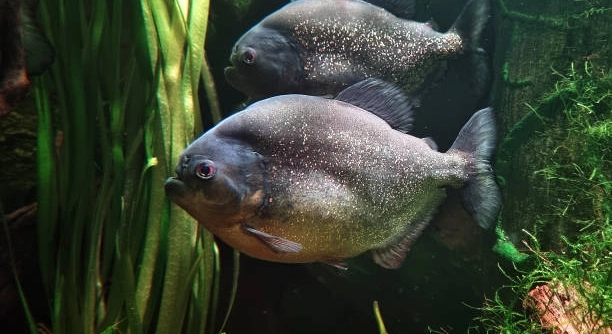
Have you ever noticed your fish gathering in unusual ways and wondered if something odd might be going on in the tank?
Strange group formations in tanks often stem from environmental changes, dominance displays, breeding behavior, or stress responses. These patterns can reveal underlying issues or natural instincts and are important to monitor for tank health and harmony.
Each formation has its reason, and observing them closely can help you better understand what your fish might be experiencing.
Fish Stacking in a Vertical Line
Fish stacking vertically can be unsettling if you’re not used to seeing it. This behavior often points to low oxygen levels in the tank. Fish may line up near the filter or air stone where the water is more oxygen-rich. Poor water circulation, overcrowding, or high temperatures can lower oxygen availability. This formation is more common in tanks without adequate surface movement or those lacking a proper filtration system. It’s important to check your equipment and water parameters. Improving aeration and reducing stressors usually causes this behavior to stop. Fish should spread out naturally when they’re comfortable.
When fish begin stacking like this, it’s a clear sign that something about their environment needs attention.
Use an air pump, adjust water flow, and reduce the number of fish if needed. Keep the water temperature stable, and perform regular partial water changes. These steps help maintain oxygen levels and reduce stress.
Circular Schooling Near the Center
Fish circling tightly in the middle of the tank often reflects breeding preparation or a defensive display.
This circular pattern can occur when fish are protecting a certain area, such as a spawning site, or establishing territory. It may also be a result of light reflections or internal tank stressors. Watching for chasing, fin nipping, or increased coloration can offer clues. Some species, especially cichlids and tetras, display this behavior before spawning. To respond, check tank compatibility, offer hiding spots, and adjust lighting. If you’ve recently rearranged decorations or added new tank mates, this can also be a temporary reaction to change. It’s important to observe their activity level and appetite during this period. Stress, bullying, or illness might also trigger this behavior, so stay alert for any changes in breathing, swimming style, or color loss. Maintaining stable tank conditions, minimizing disruption, and giving the fish enough space to establish their own areas usually resolves the issue.
Hovering in a Tight Cluster at the Bottom
When fish group closely at the bottom, it usually means they feel unsafe or stressed. Sudden noise, tank mates, or poor water quality can trigger this. Sometimes it’s caused by illness, especially if combined with loss of color or appetite.
Bottom clustering is common after a recent tank change or if a dominant fish is acting aggressively. Ammonia spikes or low pH levels can also cause discomfort. Use a test kit to check the water immediately. If the readings are off, perform a partial water change and review your filtration setup. Add more hiding spots to help reduce tension between tank mates. If aggression is ongoing, consider separating certain fish or introducing visual barriers like plants. Hovering behavior should ease up as the environment stabilizes and the fish regain confidence. Regular observation helps catch early signs of stress before they turn into serious health problems.
Persistent clustering can also come from poor tank layout or boredom. If the tank lacks variety or stimulation, fish may gather in one spot out of habit. Rearranging décor or adding new items can encourage more movement. Make sure lighting isn’t too harsh and avoid placing the tank near loud environments. A peaceful space helps fish feel safe.
Sudden Swarming Around One Fish
When several fish start following or circling one individual, it’s often due to dominance or mating behavior. The targeted fish may be showing signs of weakness or displaying breeding cues. It’s not always aggressive, but it’s worth watching closely.
This type of formation is common in species that form hierarchies. The fish being followed may have challenged another or is releasing pheromones that trigger attention. If there’s fin damage, hiding, or rapid breathing, this could mean bullying. Separating the target fish for a few days in a breeder box often helps reduce tension. On the other hand, if the chasing is part of courtship, there may be egg-laying or nest-building soon. Provide plants or a breeding surface to avoid stress during this phase. Water quality and diet also influence behavior. Keeping everything stable helps reduce confusion and prevents unhealthy aggression. Observe for signs of disease too, as sick fish often become targets.
Group Huddling in a Corner
Fish may huddle in a corner when they’re scared or uncertain about their surroundings. This often happens after a sudden change, like new tank mates, bright lighting, or loud noises near the tank.
This behavior usually fades as they adjust, but it helps to dim the lights, add cover, and reduce movement around the tank.
Tight Formation Facing the Glass
Fish tightly aligned and facing the glass often signals that they’re responding to reflections or light sources. In some cases, it may mean they’re expecting food or trying to interact with their surroundings.
If this becomes repetitive, try changing the room’s lighting or placing a background behind the tank. Reflections can stress some species, especially if they mistake them for rivals. Feeding patterns also influence this formation. Fish often gather at the glass when they associate your presence with food. If they stop once fed, it’s likely not a problem. But if they continue doing it while ignoring food, check for stress signs or illness. Adding floating plants or adjusting the aquarium light timer can help reduce reflection-related behaviors. Keeping the environment calm and predictable helps them feel more secure.
Synchronized Swimming in Loops
Synchronized looping can reflect excitement, courtship, or strong schooling instincts. It’s common after water changes, feeding, or during mating displays in active species.
FAQ
Why are my fish grouping together all of a sudden?
Sudden group formations often point to changes in the environment. Fish might group when they feel threatened, sense poor water quality, or detect an aggressive tank mate. This behavior helps them feel safer in numbers. Check water temperature, pH, ammonia, and nitrite levels to rule out discomfort. If you’ve recently added new fish or decorations, they may be reacting to the disruption. Ensure there are enough hiding spots and reduce outside noise or vibrations. Once the environment feels stable again, they usually spread out on their own.
Is it normal for fish to always stay in a group?
Some species naturally prefer to school and will stay close together all the time. This is normal and even healthy for them. However, if fish that are usually more solitary start doing this, it could signal a problem. Observe how long the behavior lasts and if it’s paired with other changes, like rapid gill movement or faded colors. Consistent group formation among typically independent fish usually indicates stress. Monitor their surroundings and make gradual adjustments, like improving water quality or modifying the tank layout.
Why are they circling one fish nonstop?
Constant circling usually happens for one of two reasons—mating behavior or dominance. Males may chase a female during courtship, or several fish may follow a weaker or sick individual. If the target fish starts hiding, shows signs of damage, or skips meals, separation may be necessary. A breeder box or isolation tank helps relieve pressure while you assess what’s going on. If mating is the cause, provide flat surfaces or dense plants to support nesting or egg-laying. Watch the group closely so it doesn’t escalate into harmful aggression.
Can group huddling mean disease?
Yes, especially if the fish look dull, clamp their fins, or breathe heavily. When illness is present, fish often isolate or huddle as a protective behavior. Check for any signs of ich, fin rot, or internal issues like bloating. Quarantine affected individuals and perform a full tank check, including a water test. If you spot multiple fish huddling while others swim normally, it could mean only part of the tank has a problem. Uneven temperature or hidden decay under decorations can create isolated stress zones.
Why do fish sometimes all face the same direction?
This usually happens when they’re reacting to water flow, waiting for food, or focusing on a reflection. Filters, air stones, or pumps may cause strong currents that push them into position. Adjusting flow direction or lowering the speed might reduce this. If they’re gathering near where you feed them, they may simply be anticipating food. If the tank has a reflective surface nearby, they may be reacting to what they perceive as another fish. Adding a background to the tank often solves this.
How long does it take for strange formations to stop?
That depends on the cause. If it’s due to a recent water change or tank rearrangement, fish usually return to normal within a few hours to a couple of days. If stress or illness is involved, it can take longer. Recovery depends on how fast the issue is identified and corrected. For persistent problems, track water parameters daily and note behavioral changes. A consistent routine, clean water, and calm surroundings help speed up recovery. Some species are more sensitive than others, so what seems minor to one group may cause long-term changes in another.
Final Thoughts
Group formations in fish tanks can seem unusual at first, but many of these behaviors are normal responses to changes in their environment. Some patterns, like schooling or synchronized swimming, are natural and healthy for certain species. Others, such as huddling in corners or circling, may signal stress, poor water quality, or social tension in the tank. It’s important to pay attention to when the behavior started and what might have changed in the tank. Even small shifts—like a new decoration, altered lighting, or noise near the tank—can affect how fish behave.
When fish form strange groups, it can also be a sign of illness or discomfort. If you notice clamped fins, rapid breathing, faded colors, or isolation along with odd formations, it’s best to test the water and monitor each fish carefully. A simple adjustment, such as increasing tank space or adding more hiding spots, can sometimes reduce stress. Watching how your fish interact over time helps you learn what is normal for your tank and what needs attention. Acting quickly when something feels off helps protect your fish and keep their environment stable.
Understanding these group behaviors takes time and patience. Not every formation means something is wrong, and some behaviors may come and go without a clear reason. Keeping a calm, clean, and consistent environment makes it easier for your fish to stay comfortable. Routine checks, gentle handling of any changes, and knowing the habits of each species will help you manage your tank more confidently. These behaviors can be useful clues to what your fish are feeling. Noticing patterns early helps you support their health and well-being before serious issues develop.

Hello,
If you enjoy the content that we create, please consider saying a "Thank You!" by leaving a tip.
Every little bit helps us continue crafting quality advice that supports the health, happiness, and well-being of pets around the world, for pets of all shapes, sizes, and species.
We really appreciate the kindness and support that you show us!