
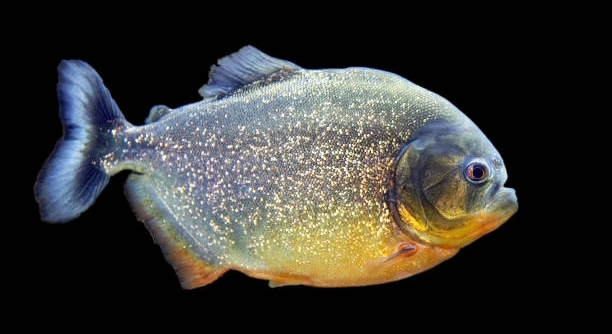
People often enjoy observing nature, but some creatures send clear signals to keep a safe distance. Understanding these signs can help avoid trouble and maintain peaceful interactions with wildlife around us.
In piranha behavior, seven key signals indicate a warning to stay away. These include sudden movements, aggressive posturing, and intensified fin displays, which serve as clear indicators of territorial defense or perceived threats to their environment.
Knowing these signals will help you recognize when to keep your distance and respect the natural boundaries of these fascinating fish.
Sudden Darting Movements
Piranhas often make quick, sharp movements when they feel threatened or want to warn others. These sudden darts can signal agitation or readiness to attack. When a piranha moves this way, it is trying to scare off intruders or protect its space. If you notice these rapid bursts, it is best to keep your distance and avoid making any sudden moves yourself. These fish communicate a lot through their body language, and quick swimming patterns are a strong sign that they feel disturbed. Staying calm and moving slowly can help prevent escalating the situation.
Sudden darting is a clear sign of unease in piranhas and indicates they want space.
Recognizing this behavior early can keep you safe around these fish. They may seem small, but when they start moving like this, it means they are on high alert. Respecting their signals avoids unnecessary risks.
Aggressive Posturing
Aggressive posturing is another clear signal that piranhas want to be left alone. This can include flaring fins, showing sharp teeth, and making themselves look larger. These actions are meant to intimidate and warn off potential threats. When you see this behavior, it is important to step back and not provoke the fish further. Piranhas use these displays to establish dominance and protect their territory. They do not attack without cause, but they will defend themselves fiercely if they feel cornered or threatened. Understanding this helps you avoid dangerous situations.
Intensified Fin Displays
When piranhas spread their fins wide and hold them stiffly, it shows they are ready to defend themselves. This display makes them look bigger and more threatening to anyone nearby. It is a clear warning to back off and not get closer.
These exaggerated fin movements serve as a visual threat to signal other creatures to keep their distance. Piranhas rely on this display to communicate without physical contact. It helps reduce actual fights by letting others know they are serious about protecting their territory. When you see fins fully extended and rigid, the piranhas are signaling discomfort or aggression. Approaching at this moment increases the risk of provoking them unnecessarily, so it is best to observe quietly from afar.
This behavior is a natural defense mechanism, and it’s important to respect the message it sends. Ignoring this can lead to sudden attacks, so paying attention to these fin displays helps keep interactions safe.
Clustered Swimming
Piranhas often swim tightly together when they sense danger or want to intimidate threats. This tight grouping is a defensive strategy to appear larger and more powerful. It also helps them coordinate their movements during an attack or when protecting territory.
When swimming close as a group, piranhas communicate a strong message of caution. The cluster makes it harder for predators or intruders to single one out. This behavior shows the fish are on high alert and ready to react. It’s wise to avoid breaking this group apart or approaching them directly.
Observing clustered swimming is a key sign of piranha awareness and caution. Respecting their space during this time prevents unnecessary conflict and promotes safer encounters.
Rapid Jaw Movements
Piranhas often open and close their jaws quickly when feeling threatened. This is a clear sign they are ready to bite if provoked.
These jaw movements warn others to stay away. It shows they are alert and prepared to defend themselves immediately.
Darkened Body Color
When piranhas darken their body color, it signals stress or aggression. This change helps them appear more intimidating to potential threats.
Darkening often happens when they feel crowded or disturbed. It is best to give them plenty of space during these moments.
Sharp Teeth Exposure
Piranhas display their sharp teeth when warning others. This is an unmistakable sign of readiness to attack.
What does it mean when piranhas swim in tight circles?
When piranhas swim in tight circles, it often indicates agitation or nervousness. This behavior can be a warning signal that they feel threatened or disturbed. Swimming in circles helps them stay alert and ready to react quickly. It also serves as a way to communicate with other piranhas nearby that something is wrong. If you notice this behavior, it is a good idea to keep your distance and avoid sudden movements. The fish are trying to show they are on edge and prefer not to be approached.
How can you tell if a piranha is truly aggressive?
True aggression in piranhas is shown through several signs like rapid darting movements, intense fin displays, and frequent jaw snapping. They will also cluster tightly and expose their sharp teeth as a warning. These behaviors together mean the fish are ready to defend themselves or their territory. However, aggression usually happens only when they feel cornered or disturbed. Simply swimming near them without sudden motions often doesn’t provoke attacks. Paying close attention to their signals can help you avoid escalating a situation unnecessarily.
Are piranhas always dangerous to humans?
Piranhas are often misunderstood as always dangerous, but they usually avoid humans unless provoked. Most bites happen when the fish feel threatened, especially during feeding or if their habitat is disturbed. In natural settings, they prefer to stay away from larger animals. It’s important to respect their space and not swim too close to their groups. Knowing the warning signs they show helps reduce risks. While their teeth are sharp and can cause injury, attacks on people are rare if their signals are respected.
Why do piranhas flare their fins and show their teeth?
Flaring fins and showing teeth are common defensive behaviors. These displays make piranhas look bigger and more threatening to discourage predators or rivals. It’s a way for them to say “stay away” without fighting. These signals help avoid unnecessary physical conflicts by clearly communicating discomfort or anger. When you see this, it’s a good idea to back off slowly. Ignoring these warnings can lead to bites or aggressive behavior, so recognizing these signs protects both you and the fish.
Can piranhas sense human presence in the water?
Yes, piranhas have sensitive sensory systems that allow them to detect movement, vibrations, and changes in water pressure. They can sense when something unusual enters their environment, including humans. This detection triggers their alert or defensive behaviors, like darting movements or clustered swimming. They are especially sensitive to splashing or sudden movements, which may be seen as threats. Staying calm and avoiding abrupt motions reduces stress on the fish and lowers chances of provoking them.
Is it safe to feed piranhas in captivity?
Feeding piranhas in captivity requires caution and knowledge. While they can be fed safely, it’s important to avoid hand feeding to prevent accidental bites. Feeding should be done using tools or placed food to keep distance. Overfeeding can cause aggression and health problems, so portions must be controlled. Observing their behavior during feeding helps spot early signs of stress or competition among the fish. Proper care and respect for their natural habits make feeding safer and less stressful for both piranhas and caretakers.
What should you do if a piranha shows multiple warning signs?
If a piranha shows several warning signs like rapid movements, fin displays, and jaw snapping, the best response is to move away slowly and calmly. Avoid making sudden gestures or loud noises that could escalate aggression. Maintaining a safe distance and giving the fish space allows them to relax. Approaching or trying to touch the fish when multiple signs are present increases the chance of an attack. Recognizing and respecting these signals is key to safe encounters.
How do piranhas communicate danger to each other?
Piranhas communicate danger through body language like darting, fin spreading, color changes, and grouped swimming. These behaviors alert the entire group of a potential threat. By acting together, they increase their chances of deterring predators or other dangers. Their signals work as a coordinated system to protect themselves and their territory. Watching these cues helps observers understand when the fish feel unsafe or stressed, allowing people to respond appropriately and avoid conflict.
Why do piranhas darken their color when stressed?
Darkening of body color is a stress response in piranhas. It helps them blend into shadows and appear more intimidating to threats. This color change is a visual cue to others that the fish feels vulnerable or aggressive. It often happens in crowded or disturbed conditions. When you see darker piranhas, it means they are uncomfortable and want to be left alone. Giving them more space and reducing disturbance can help them return to their normal color and behavior.
Can piranhas calm down after showing warning signs?
Yes, piranhas can calm down if they no longer feel threatened. Warning signs like fin displays and rapid movements usually stop once the perceived danger passes. Providing a quiet and undisturbed environment helps reduce their stress. Once they feel safe again, their behavior becomes less aggressive, and they return to normal swimming and feeding. Observing from a distance and not reacting hastily allows the fish to relax faster. This calm period is essential for their health and well-being.
Understanding piranha behavior is important for anyone who spends time near their natural habitats or keeps them in captivity. These fish have clear ways of communicating when they feel threatened or want to be left alone. Recognizing signals like sudden movements, fin displays, and clustered swimming can help people avoid unnecessary risks. It is not just about fear but respecting how these animals protect themselves. When piranhas show these signs, they are not being aggressive for no reason—they are reacting to their environment and trying to stay safe.
Piranhas generally do not attack without warning. Their behaviors serve as early signals that should be taken seriously. Giving them space and not provoking them makes encounters much safer for both people and the fish. Learning to identify the seven key signals discussed earlier can help prevent dangerous situations. Whether observing them in the wild or caring for them in an aquarium, understanding their body language creates a better experience. This knowledge encourages peaceful coexistence and appreciation for these unique fish without putting anyone in harm’s way.
Being cautious and respectful around piranhas benefits everyone involved. These fish are an important part of their ecosystems and deserve careful attention. By paying attention to their signals and avoiding sudden actions, it is possible to enjoy their presence without conflict. Safety comes from understanding, and that starts with noticing the signs piranhas use to say “stay away.” This awareness promotes safe interactions, protects the fish, and helps maintain a healthy balance between humans and wildlife.

Hello,
If you enjoy the content that we create, please consider saying a "Thank You!" by leaving a tip.
Every little bit helps us continue crafting quality advice that supports the health, happiness, and well-being of pets around the world, for pets of all shapes, sizes, and species.
We really appreciate the kindness and support that you show us!