
Have you ever found yourself fascinated by the power dynamics within animal species and wondered what gives certain creatures the upper hand in their environments?
The piranha’s dominance is largely due to its strong jaw muscles, sharp teeth, group hunting tactics, acute sensory perception, boldness, fast reflexes, and territorial behavior. These traits help them thrive in competitive aquatic ecosystems.
These unique traits are not just random—they each play a role in shaping the piranha’s influence in the wild. Understanding them helps explain why this small fish commands such a big presence.
Sharp Teeth and Strong Jaws
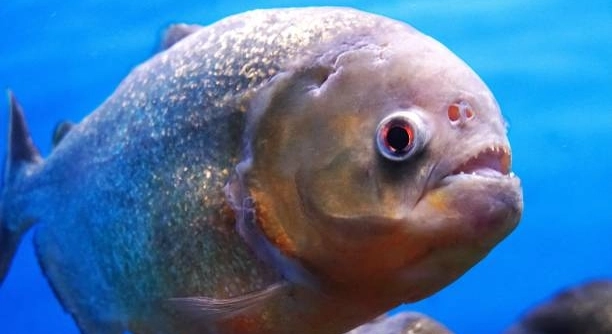
Piranhas have razor-sharp teeth that interlock perfectly, making it easy for them to bite through flesh and bone. These teeth are constantly replaced throughout their lives, so they’re always in top shape. Along with their powerful jaw muscles, this trait gives them a serious advantage when it comes to feeding and defending themselves. They don’t need to chase down prey for long—one bite is often enough. This also makes them dangerous in groups, as each fish can take a piece in just seconds. Their bite force is incredibly strong for their size, which means even larger animals might think twice before approaching. When food is scarce, this trait becomes even more important, helping them survive in tough conditions.
They rely on quick, strong bites instead of drawn-out battles, which saves energy and reduces injury.
Their efficiency in using their teeth and jaw strength often makes them the first to reach and dominate a food source.
Group Hunting Instincts
Piranhas often work together to hunt, which increases their chances of success and keeps them safer from larger threats.
In groups, piranhas act with surprising coordination. They circle their target, wait for the right moment, and strike as a unit. This method allows them to overpower prey that might be too big for one fish alone. It also confuses and weakens the target. Group hunting helps them use less energy and complete a kill quickly. They share food but also compete fiercely, creating a balance that maintains the strength of the group. If one piranha hesitates, another will take its place instantly. This behavior isn’t just about food—it reinforces a social structure that rewards aggression and quick action. These fast, team-based attacks give piranhas a dominant edge over solitary predators. Their ability to think and move as one makes them more than just fish with sharp teeth—they’re tactical, coordinated, and quick to act when the time is right.
Acute Senses and Fast Reflexes
Piranhas have strong senses that help them survive. Their hearing, smell, and sight are finely tuned, allowing them to detect movement and changes in the water quickly—even from far away or in murky conditions.
They can sense a drop of blood or the vibrations of a struggling animal almost instantly. This gives them the ability to react fast, whether they’re going after prey or avoiding threats. Their fast reflexes make it hard for other fish to escape once they’ve been targeted. These traits also help piranhas keep their place in a group. They’re able to notice when another piranha moves or shifts direction, adjusting their own behavior in response. This keeps their group hunting tactics sharp and fluid. In the wild, every second counts, and a delay can mean missing a meal—or becoming one. Speed and awareness often decide which fish stays alive.
Piranhas don’t waste time hesitating. Their nervous systems are built for split-second decisions. Even a small flick in the water can cause an instant reaction. They don’t stop to consider—they act. This is useful not only for hunting but also for escaping danger or fighting off rivals. They don’t rely on luck; they rely on instinct and speed. These reflexes are part of what makes them hard to outmatch in their habitat. Piranhas don’t need to be the biggest to win—they just need to be the fastest to sense and respond. These physical responses happen almost without thought, making their actions seem automatic. It’s this mix of speed and precision that makes them dominant.
Bold Temperament and Aggression
Piranhas are not shy. Even when facing larger animals, they often choose to stand their ground. This boldness makes them harder to scare off, especially when defending food or territory.
They act fast and don’t back down easily. Their boldness isn’t just for show—it’s tied to survival. Piranhas are more likely to explore new areas, approach possible threats, and strike when other fish might hesitate. Their aggression also helps them protect their space from other predators. In a group, this behavior spreads quickly. One bold move by one piranha can spark a chain reaction of attacks. This type of behavior makes them unpredictable and harder to manage in both wild and controlled environments. While this can lead to conflict among themselves, it also keeps the group alert and responsive. Their dominance is not just about physical traits—it’s also about mental readiness and a willingness to take risks.
Territorial Behavior and Control
Piranhas don’t like to share their space. They often defend areas where food is available or where they feel safest. This behavior helps reduce surprise threats and gives them an advantage when new food enters the area.
They use quick movements and warning bites to keep others away. These actions are not always meant to harm, but to send a message: this space is taken. By holding territory, piranhas control access to key resources and improve their survival chances.
Adaptability to Harsh Environments
Piranhas can survive in rivers that dry out, flood, or change temperature quickly. They tolerate low oxygen levels and poor water quality better than many other fish. This adaptability allows them to stay strong even when other species struggle. Their ability to adjust helps them outcompete weaker animals. Whether it’s a flooded plain or a drying stream, piranhas stay active, keep feeding, and don’t give up ground. They can slow down their metabolism, hide under thick plants, or move quickly to better areas. This flexibility in their behavior and body keeps them dominant in changing environments.
Fear Response and Defense
When threatened, piranhas don’t just scatter. They form tight groups, turn quickly, and defend their position. These responses make attacks harder and help them survive.
What makes piranhas such effective hunters?
Piranhas are effective hunters because they combine several traits that work together perfectly. Their sharp teeth and strong jaws allow them to bite quickly and deeply. They also have acute senses to detect prey from a distance, especially the ability to sense blood and vibrations in the water. On top of that, their fast reflexes help them respond instantly to movement, making it difficult for prey to escape. Hunting in groups allows them to surround and overwhelm targets, making their attacks more efficient and powerful. All these factors together create a hunting strategy that is fast, coordinated, and very effective.
Are piranhas always aggressive?
Piranhas are not aggressive all the time. Their boldness and aggression usually show up when they feel threatened, are defending territory, or are hunting for food. Outside of these situations, piranhas often stay calm and avoid unnecessary conflict. However, in groups, their aggressive behavior can increase, especially when food is involved. This group aggression helps them dominate their environment but doesn’t mean they attack everything around them constantly. They tend to be opportunistic rather than reckless, using aggression mainly as a tool for survival.
How important is the piranha’s group behavior?
Group behavior is very important for piranhas. Hunting as a group allows them to take down larger prey than a single fish could manage. It also offers protection from predators, as there is safety in numbers. Within these groups, piranhas show quick communication and coordination, which is unusual for many fish. This teamwork increases their overall success in feeding and defending territory. Even though they compete among themselves for food, the benefits of group living outweigh the costs. This balance between cooperation and competition is a key reason for their dominance.
Can piranhas live in different water conditions?
Yes, piranhas can live in a wide range of water conditions. They are highly adaptable and can survive in rivers and lakes with varying temperatures, oxygen levels, and water quality. This adaptability helps them thrive even when the environment changes drastically due to seasonal floods or droughts. Their ability to slow down metabolism when needed and move to safer areas helps them survive tough periods. This flexibility is a big part of why piranhas remain dominant in their habitats, while other species may struggle or move away.
Do piranhas defend their territory?
Piranhas do defend their territory, especially areas rich in food or safe places to rest. They mark and guard these spaces using aggressive displays, quick movements, and sometimes warning bites. This behavior helps them control resources and keep other fish from taking over. Territorial defense reduces surprise attacks by predators and competition from other fish. While defending territory, piranhas maintain order in their groups and ensure that enough resources are available for survival. It’s a critical part of their behavior that supports their dominant position.
How do piranhas respond to threats?
When threatened, piranhas tend to form tight groups and act quickly to protect themselves. This group defense makes it harder for predators to single out an individual fish. They may circle, flash their teeth, and make rapid movements to confuse or scare off attackers. If needed, they bite to defend their space. These behaviors reduce the chances of being eaten or injured. Their strong senses help them detect threats early, giving them time to react before danger gets too close. This combination of group defense and quick response makes them resilient against many predators.
Why are piranhas considered dominant in their environment?
Piranhas are dominant because of their unique combination of physical traits and behaviors. Their strong jaws and sharp teeth give them a feeding advantage. Their group hunting tactics improve their chances of success. Their acute senses and fast reflexes allow them to react quickly to prey and threats. Their boldness and aggression help them control territory and resources. Plus, their ability to adapt to different water conditions keeps them stable in changing environments. Together, these qualities allow piranhas to outcompete many other species and stay at the top of their food chain.
Can piranhas be dangerous to humans?
Piranhas can be dangerous to humans but attacks are rare and usually happen only if the fish feel threatened or provoked. In most cases, piranhas avoid people. When food is scarce, or if a person enters their territory suddenly, they may bite defensively. These bites are often more startling than harmful, but they can cause injury. It’s important to be cautious around piranha habitats, especially in large groups or during breeding seasons when they are more protective. Respecting their space usually prevents conflicts.
How do piranhas replace their teeth?
Piranhas continuously replace their teeth throughout their lives. When a tooth breaks or wears down, a new one grows in its place. This constant renewal keeps their teeth sharp and functional for biting and tearing. Unlike many animals that lose teeth slowly, piranhas maintain a full set at all times. This adaptation ensures they stay ready to hunt and defend themselves effectively, no matter how tough their lifestyle gets. It’s a natural process that supports their feeding efficiency and survival.
Piranhas have many traits that make them stand out in their environment. Their sharp teeth and strong jaws allow them to bite quickly and effectively. Along with their fast reflexes and keen senses, these physical features help piranhas catch prey and defend themselves from threats. Their ability to hunt in groups gives them an added advantage, allowing them to work together to take down bigger animals or protect their territory. These combined traits help explain why piranhas are often seen as dominant fish in the rivers and lakes where they live.
Besides their physical strengths, piranhas are also known for their bold and aggressive nature. They do not back down easily when faced with challenges, especially when it comes to defending their space or hunting for food. This courage helps them hold control over important areas and resources. Their territorial behavior ensures that they keep other fish away, reducing competition for food and shelter. Their willingness to act quickly and boldly is just as important as their physical abilities in making them successful survivors.
Finally, piranhas are very adaptable creatures. They can live in different water conditions and adjust to changes in their environment. This ability to adapt helps them survive during times when other species might struggle or move away. Their group behavior, quick responses, and strong survival skills all work together to keep piranhas dominant. Understanding these traits shows how piranhas have become well suited to their surroundings and why they play such an important role in their ecosystems.

Hello,
If you enjoy the content that we create, please consider saying a "Thank You!" by leaving a tip.
Every little bit helps us continue crafting quality advice that supports the health, happiness, and well-being of pets around the world, for pets of all shapes, sizes, and species.
We really appreciate the kindness and support that you show us!