
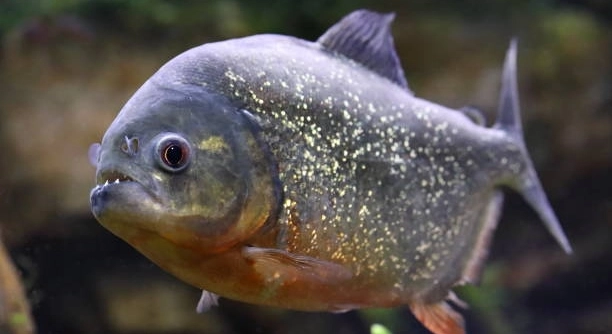
Piranhas are fascinating fish known for their sharp teeth and swift movements. They often hunt and move around in low-light or dark waters. Understanding how they navigate in these conditions reveals much about their unique abilities.
Piranhas use a combination of sensory tools to move in the dark, including their lateral line system to detect water vibrations, keen smell to track prey, and electroreceptors that sense electrical signals. These adaptations help them avoid obstacles and find food even without clear vision.
Learning about these navigation methods offers insight into the piranhas’ survival skills and behavior in their natural habitat. This knowledge highlights the remarkable ways animals adapt to challenging environments.
Lateral Line System
The lateral line system is one of the main ways piranhas sense their environment in the dark. This system runs along the sides of their bodies and detects vibrations and pressure changes in the water. When something moves nearby, like a small fish or an obstacle, it creates waves that the piranha can feel through this line. This helps them know where things are without needing to see them clearly. The lateral line works well even in murky or pitch-black water, making it a reliable tool for navigation and hunting. Piranhas can pick up small movements from other animals or objects, giving them an edge in catching prey or avoiding dangers in their surroundings. This sense is crucial because piranhas often live in environments where visibility is very low, so relying on touch and vibrations is a smart way to survive.
This sensory system is highly sensitive and works continuously, guiding piranhas smoothly through dark waters.
Their ability to detect water movement lets piranhas react quickly, making them efficient hunters and careful swimmers even when light is almost nonexistent.
Sense of Smell
Piranhas have a strong sense of smell that helps them find food in the dark. Their nostrils detect chemical signals or scents in the water, allowing them to track wounded or nearby prey. This sense is very sharp and works alongside their other tools for navigation. Even if they cannot see well, the smell can lead them straight to food or alert them to danger. Smell is especially important in murky rivers where visibility is limited. The scent molecules move through the water, and piranhas use this information to understand what is around them. This ability supports their survival by helping them locate food sources that would otherwise be hidden.
Using their nose as a guide, piranhas can move with confidence even in total darkness.
This strong sense of smell works with other senses to form a complete picture of their surroundings, making them highly aware and ready to act.
Electroreceptors
Piranhas have special electroreceptors that help them detect weak electrical signals in the water. These signals come from the muscle movements of other animals nearby.
Electroreceptors are tiny sensory organs located around the piranha’s head and body. They pick up electrical impulses generated by the muscles and nerves of other creatures. This sense allows piranhas to locate prey even when visibility is zero. By sensing electrical fields, they can detect the position and movement of animals hidden under mud or behind objects. This ability is especially helpful in dark or murky water where sight is limited, making it easier for them to hunt effectively.
The electroreception system works together with other senses like smell and the lateral line. It provides a clear understanding of what is around them. This helps piranhas avoid collisions, find food, and stay alert to predators, improving their chances of survival in difficult conditions.
Memory and Spatial Awareness
Piranhas develop memory skills that help them remember places with food or shelter. This spatial awareness guides their movements even in darkness.
They learn the layout of their environment by swimming and sensing landmarks through touch and water vibrations. Over time, piranhas remember areas where they found food or safe hiding spots. This mental map helps them navigate efficiently without relying on sight alone. Memory allows them to return to known hunting grounds or avoid dangerous zones.
This spatial memory is supported by their sensory systems, combining information about vibrations, smells, and electrical signals. By using these clues, piranhas can make decisions on where to swim next, keeping them safe and well-fed even when the water is dark and unclear. Their ability to recall these locations shows a level of intelligence that helps them adapt well to changing environments.
Schooling Behavior
Piranhas often swim in groups called schools. This helps them navigate safely through dark waters by following each other’s movements.
Swimming in a school reduces the chance of getting lost or attacked by predators. It also helps them find food more easily by working together.
Vision Adaptations
Although piranhas live in dark environments, their eyes are adapted to low light. They have more rod cells in their retinas, which are sensitive to dim light. This lets them detect shapes and movement even when it is almost dark.
Use of Whisker-Like Sensory Hairs
Piranhas have small, whisker-like hairs around their mouths and heads. These hairs help them sense objects nearby by touch, adding another layer to their navigation tools.
How do piranhas use their lateral line to navigate in the dark?
The lateral line is a sensitive organ running along the sides of piranhas. It detects vibrations and pressure changes in the water caused by nearby movement. In dark or murky water, this helps piranhas sense obstacles, predators, or prey without relying on sight. When something moves or creates waves, the lateral line picks up these signals, allowing the fish to respond quickly and move safely through their environment.
What role does smell play in a piranha’s navigation?
Piranhas have an excellent sense of smell, which is key in dark conditions where vision is limited. They detect chemical signals in the water, such as blood or scents released by other animals. This helps them locate prey or avoid danger even when they cannot see clearly. Their nostrils are sensitive enough to pick up faint smells from a distance, guiding them toward food sources or away from threats.
Can piranhas really “see” in the dark?
While piranhas cannot see clearly in total darkness, their eyes are adapted to low-light conditions. They have more rod cells in their retinas, which are better at detecting dim light and movement. This means they can identify shapes or motion even when it is very dark, giving them some visual advantage in murky water. However, they rely more on other senses like the lateral line and smell in complete darkness.
What are electroreceptors, and how do they help piranhas?
Electroreceptors are small sensory organs that detect weak electrical signals produced by muscle movements of other animals. Piranhas use these receptors to sense prey hidden behind objects or buried in the mud. This ability allows them to hunt effectively when visibility is poor, giving them an additional way to find food and avoid obstacles in dark waters.
How does schooling behavior assist piranhas in navigating?
Swimming in groups, or schools, helps piranhas move safely through their environment. By following the movements of others, each fish reduces the risk of getting lost or running into danger. Schools also improve their chances of finding food, as multiple piranhas can detect prey and alert the group. This social behavior enhances their ability to navigate in low-light or dark conditions.
Do piranhas rely on memory to find their way?
Yes, piranhas develop spatial memory to remember areas with food or shelter. They use sensory information like water vibrations and smells to create mental maps of their surroundings. This memory helps them navigate efficiently even in darkness, returning to familiar hunting spots and avoiding dangerous areas. Their ability to recall locations shows a level of intelligence that supports their survival.
What is the purpose of the whisker-like sensory hairs on piranhas?
These small hairs around their mouths and heads help piranhas detect nearby objects by touch. The hairs are sensitive to water movement and physical contact, allowing the fish to “feel” their surroundings. This sense supports navigation by alerting them to obstacles or prey close by, especially when visibility is very limited.
How do all these senses work together?
Piranhas combine their lateral line, smell, electroreceptors, vision, and sensory hairs to create a full picture of their environment. Each sense provides different information, such as movement, scent, electrical signals, or touch. Together, they allow piranhas to move confidently in dark or murky water, hunt effectively, and avoid dangers. This combination of senses is what makes them such successful predators in challenging conditions.
Piranhas are remarkable fish with many ways to navigate in the dark. Their environment is often murky or lacks light, so relying on just eyesight would not be enough. Instead, they use several senses working together to understand what is around them. The lateral line system helps them feel vibrations in the water, giving clues about nearby movement or obstacles. This is very important because water is often filled with sounds and waves from other creatures, and piranhas can pick up on these subtle signals even when they cannot see clearly.
Besides sensing vibrations, piranhas also use their strong sense of smell to find food or detect danger. The chemical signals in the water guide them toward prey or warn them of predators. Their eyes are adapted to low light, allowing them to see shapes or movement in dim conditions, but this is only part of how they navigate. Another fascinating tool is their electroreceptors, which let them sense electrical signals from other animals’ muscles. This sense helps piranhas detect prey hidden from sight or behind obstacles. When all these abilities combine, piranhas can move efficiently and hunt successfully in darkness or murky water.
Piranhas also benefit from social behaviors like schooling and using memory to navigate. Swimming in groups makes it easier for them to find food and stay safe. They remember areas where food is available or where they can hide, which improves their chances of survival. Small sensory hairs around their mouths help them detect objects by touch, adding one more layer to their navigation system. These adaptations show how well piranhas are built to live in challenging environments. Understanding their ways of moving in the dark gives us a clearer picture of their behavior and survival strategies. It also reminds us how animals use many different tools to live well, even in conditions that seem difficult to us.

Hello,
If you enjoy the content that we create, please consider saying a "Thank You!" by leaving a tip.
Every little bit helps us continue crafting quality advice that supports the health, happiness, and well-being of pets around the world, for pets of all shapes, sizes, and species.
We really appreciate the kindness and support that you show us!