
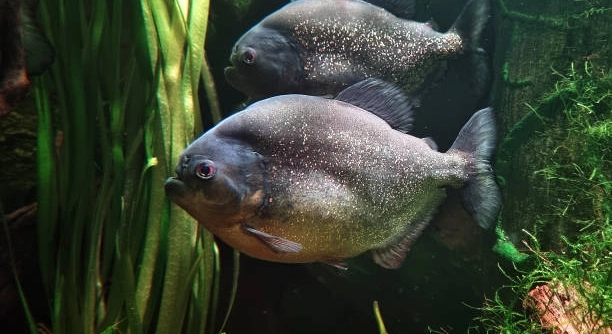
Piranhas have unique behaviors during their spawning season that help protect their eggs and young. These fish avoid certain conditions to ensure a safer environment for reproduction. Understanding what piranhas avoid sheds light on their survival strategies.
During spawning, piranhas avoid strong water currents, excessive noise, crowded spaces, polluted waters, predators, sudden temperature changes, and human disturbances. These factors can disrupt mating, damage eggs, or threaten the survival of their offspring. Avoiding these risks increases their reproductive success.
Learning what piranhas steer clear of during spawning can help us better appreciate their natural habits and the challenges they face in their environment.
Avoiding Strong Water Currents
Piranhas prefer calm waters when they spawn. Strong currents can sweep away their eggs or separate the parents from their nesting sites. Calm water provides a stable environment where eggs can safely develop without being disturbed. This is important because piranha eggs are small and vulnerable. If the water moves too much, the eggs might get damaged or pushed into unsafe areas where predators can reach them easily. In addition, calm water helps the parents stay close and protect their young until they are strong enough to swim on their own. This behavior is natural and essential for the survival of the species.
Strong currents threaten egg survival and make parental protection difficult during spawning.
Avoiding rough water is a key factor in piranha reproductive success. By selecting still or slow-moving water, piranhas increase the chances that their offspring will survive the early, fragile stages of life. This careful choice of environment shows how these fish adapt to their habitat to protect their young. Calm waters create a safe nursery where eggs hatch and young piranhas grow under parental watch.
Steering Clear of Polluted Water
Piranhas avoid spawning in polluted areas because contaminants can harm eggs and larvae. Polluted water reduces oxygen levels and introduces toxins, making it a dangerous place for young fish. Clean water is necessary for healthy development, so piranhas select cleaner spots to lay their eggs. Staying away from pollution ensures that the next generation has a better chance of survival. This natural avoidance helps maintain healthy piranha populations despite environmental threats.
Avoiding pollution is critical for egg health and young piranha survival.
Pollution in water bodies can come from many sources like chemicals, waste, or runoff from land. When piranhas spawn in clean water, their eggs get enough oxygen to develop properly. Toxic substances can cause deformities or kill the eggs altogether. Additionally, pollution can affect the parents’ health, reducing their ability to guard the nest. By choosing clean water, piranhas help protect both themselves and their offspring. This behavior highlights their sensitivity to environmental changes and the importance of preserving natural habitats. It also reminds us how human activities impact aquatic life and why protecting water quality benefits all creatures living there.
Avoiding Predators
Piranhas stay away from areas where predators are common during spawning. This helps keep their eggs and young safe from being eaten. The presence of larger fish or animals makes them choose safer, hidden spots to reproduce.
Choosing safe spots minimizes risk during the most vulnerable stage of their life cycle. Predators can quickly destroy a nest or catch young piranhas before they grow strong enough to escape. Piranhas often select dense vegetation or secluded corners of the water where predators find it hard to reach. This natural instinct to avoid danger is essential for protecting their future generations.
Piranhas also use group defense by staying close together near their nests. This behavior can intimidate predators and reduce attacks. It shows how piranhas rely on both careful site selection and social behavior to improve survival rates during spawning.
Avoiding Sudden Temperature Changes
Piranhas prefer stable water temperatures when spawning. Sudden changes can harm eggs or interrupt the spawning process. They avoid areas where temperature fluctuates rapidly to protect their young and ensure proper development.
Temperature shifts affect egg development and the health of adult fish. Too cold or too hot water slows growth or causes stress, which lowers reproductive success. Stable temperatures help eggs hatch normally and allow parents to care for their young without added strain.
Piranhas select habitats with consistent temperatures, usually shaded or deeper waters, which provide a steady environment. This choice reduces stress and increases chances for healthy offspring. Avoiding rapid temperature changes is a natural survival strategy that supports piranha reproduction in their natural habitat. It also reflects how sensitive fish are to environmental conditions, underlining the importance of preserving stable aquatic environments.
Avoiding Excessive Noise
Piranhas avoid noisy environments during spawning because loud sounds can disturb them and cause stress. Stress affects their ability to mate and guard their eggs properly.
Calm, quiet surroundings help piranhas focus on reproduction. Noise can signal danger or disrupt communication between mates, so they choose peaceful spots to lay eggs.
Avoiding Crowded Spaces
Piranhas prefer less crowded areas to reduce competition and aggression during spawning. Crowding can lead to fights and disturb eggs or young fish.
Choosing less populated spots allows piranhas to protect their offspring more effectively and reduces stress for both parents and young.
Avoiding Human Disturbances
Human activities near spawning sites often scare piranhas away. Noise, fishing, and water pollution make these areas unsuitable for spawning.
Piranhas instinctively avoid places with frequent human interference to increase the chances of successful reproduction and offspring survival.
Avoiding Sudden Changes in Light
Piranhas prefer steady lighting conditions during spawning. Sudden changes in light can startle them and disrupt their behavior.
Stable light helps maintain calm and normal activity, which is important for protecting eggs and young fish.
What do piranhas avoid during spawning?
Piranhas avoid strong currents, polluted waters, predators, excessive noise, crowded areas, sudden temperature changes, human disturbances, and abrupt changes in light. These factors can threaten their eggs or disturb their spawning behavior. By steering clear of such conditions, piranhas improve their chances of reproductive success and the survival of their young.
Why do piranhas avoid strong water currents when spawning?
Strong currents can wash away piranha eggs or separate parents from their nesting sites. Since piranha eggs are delicate, calm water is vital to protect them. Slow-moving or still waters help keep eggs safe and allow parents to guard the nest effectively, increasing offspring survival rates.
How does pollution affect piranha spawning?
Polluted water lowers oxygen levels and introduces harmful chemicals that can damage or kill eggs. Pollution also affects the health of adult piranhas, reducing their ability to care for their young. Therefore, piranhas avoid spawning in polluted areas to ensure a cleaner environment for their offspring.
What predators do piranhas avoid during spawning?
Larger fish, birds, and other aquatic animals can prey on piranha eggs or young. To protect their offspring, piranhas choose spawning sites that offer hiding spots like dense vegetation or secluded water corners where predators find it harder to reach.
Why is avoiding noise important for spawning piranhas?
Loud noises create stress and can interrupt mating and parental care. Piranhas select quiet areas to reduce disturbances and maintain focus on reproduction, improving the chances of eggs hatching and young surviving.
How do temperature changes impact piranha spawning?
Sudden shifts in water temperature can harm eggs and stress adult fish. Piranhas prefer stable, consistent temperatures for spawning. Stable environments help eggs develop properly and reduce stress on parents, leading to healthier offspring.
What human activities do piranhas avoid during spawning?
Piranhas avoid areas with frequent fishing, boating, loud noises, and water pollution caused by human presence. These disturbances can scare them away or reduce the safety of their nesting sites, so they seek more peaceful, less disturbed waters.
How do piranhas protect their eggs from predators?
Piranhas stay close to their nests and often spawn in groups to intimidate predators. They also pick spawning spots with natural cover, such as plants or underwater structures, to shield their eggs and young from threats.
Can piranhas spawn in crowded waters?
Crowded waters increase competition and aggression, which can disturb spawning behavior and harm eggs. Piranhas prefer less crowded areas to reduce conflict and better protect their offspring.
What happens if there are sudden changes in light during spawning?
Abrupt light changes can startle piranhas and disrupt their spawning activities. They prefer steady lighting conditions that allow calm behavior, essential for guarding eggs and young effectively.
Do all piranha species avoid the same conditions during spawning?
While most piranhas share similar spawning behaviors, some species may vary in habitat preference based on local environment. However, avoiding strong currents, pollution, predators, and disturbances is common across species to protect their offspring.
How can understanding piranha spawning behavior help conservation?
Knowing what piranhas avoid during spawning helps identify critical habitats that need protection. Preserving calm, clean, and undisturbed waters supports healthy piranha populations and maintains balance in aquatic ecosystems.
Piranhas have specific habits they follow to keep their eggs and young safe during spawning. They avoid strong water currents because fast-moving water can sweep away eggs or make it hard for parents to protect their nests. Calm, quiet waters provide a stable place for eggs to develop and hatch. This careful choice of environment is important for the survival of their offspring. By staying in calmer areas, piranhas increase the chances that their young will grow strong enough to survive on their own.
Another important factor for piranhas during spawning is staying away from polluted water. Pollution lowers oxygen levels and introduces harmful substances that can damage eggs or make the water unsafe for baby fish. Piranhas also avoid areas with many predators, loud noises, and crowded spaces because these can cause stress or put their eggs at risk. Human activity, such as fishing or noise from boats, also drives piranhas away from their spawning sites. They prefer places where they won’t be disturbed, which helps them care for their eggs and young more effectively.
Understanding these behaviors shows how piranhas adapt to their environment to protect the next generation. Their natural instincts help them choose the safest places to spawn, which is key to keeping their populations healthy. It also reminds us how important it is to keep their habitats clean and undisturbed. Protecting calm waters, reducing pollution, and minimizing human interference can support piranhas during this critical time. This knowledge can help with efforts to conserve these fish and maintain the balance of the ecosystems where they live.

Hello,
If you enjoy the content that we create, please consider saying a "Thank You!" by leaving a tip.
Every little bit helps us continue crafting quality advice that supports the health, happiness, and well-being of pets around the world, for pets of all shapes, sizes, and species.
We really appreciate the kindness and support that you show us!