
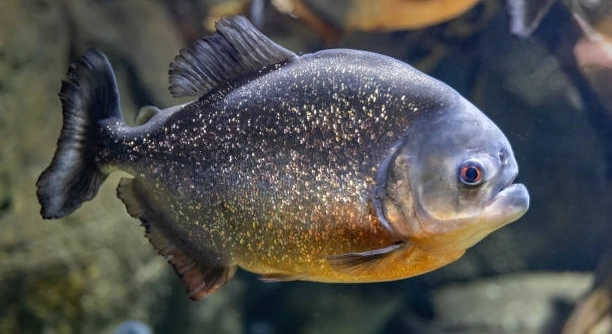
Have you ever walked past your aquarium and felt like your piranha was staring straight at you, almost studying your every move?
Piranhas are known to be highly alert and intelligent fish. When a piranha appears to be observing you, it is often responding to movement, light, or vibrations, which it interprets as potential sources of food or threat.
Understanding the reasons behind this behavior can help you build a better bond with your fish and improve its overall care.
Sign 1: It Follows You From Inside the Tank
Your piranha may slowly shift its position as you move around the room. It might stay near the front of the glass, tracking your steps from one side to the other. This behavior is common in alert, stimulated piranhas that have grown accustomed to your presence. Over time, they begin to recognize movement patterns and associate them with feeding times or interaction. If you often feed them by hand or drop food in from the same spot, they may expect something whenever they notice motion nearby. This doesn’t mean they’re acting aggressively—it’s often a sign of curiosity or anticipation. In some cases, it may also signal boredom or lack of stimulation within the tank. You might want to observe whether this behavior increases around feeding times or certain activities. Paying attention to these small cues can help you better understand your piranha’s routine and how it reacts to your environment.
This tracking movement can be subtle at first, but it becomes easy to spot once you start noticing the patterns. Your fish isn’t just floating aimlessly—it’s actively observing.
Try changing your approach angle when feeding. This helps determine whether your piranha is responding to you or just routine tank shadows and vibrations.
Sign 2: It Pauses When You Do
If you stop moving near the tank, your piranha may also freeze in place. This sudden stillness can feel intense, almost like it’s waiting for something to happen.
This behavior typically points to a high level of environmental awareness. Piranhas are naturally cautious, and when something in their space changes—like a person freezing—they react by pausing to reassess. They are sensitive to shifts in movement and light, so when you stop moving, their brain tells them to pay extra attention. This isn’t just instinct—it’s a sign that your fish is learning and adapting to its surroundings. Pausing in unison with your movement may also suggest that your piranha associates your presence with food or change. This shows how perceptive they are and how closely they observe patterns. If this happens regularly, it may help to introduce more enrichment to prevent overstimulation or stress. Objects, tunnels, or hiding places give them other things to focus on besides you.
Sign 3: It Reacts to Your Voice
Your piranha may not understand your words, but it can respond to the vibrations and tones in your voice. Some fish swim closer or become more active when they hear familiar sounds from their surroundings.
This reaction is tied to their sensitivity to vibration through the water. When you speak near the tank, the sound waves create small vibrations that travel through the glass and water. If your piranha consistently reacts when you talk, it may be recognizing those vibrations and connecting them with your presence. It doesn’t mean the fish understands speech, but it could be associating your voice with feeding or movement. Some piranhas even show excitement by swimming in loops or rushing to the surface. This behavior shows that they’re actively interpreting cues from outside their tank environment, especially when those cues are tied to routine activities like feeding or cleaning.
If this response happens often, try saying the same word or phrase before feeding to create a reliable signal. Repetition can help your piranha form stronger associations between sounds and outcomes. This is a simple way to add structure to your interaction while reducing stress during feeding times. It also gives your fish a predictable pattern, which many aquatic pets find comforting.
Sign 4: It Hides and Watches
Your piranha might stay hidden in plants or tank decorations while keeping its eyes on you. This behavior can seem shy at first, but it often signals alertness and observation rather than fear.
Fish in the wild often use cover to stay safe while watching their surroundings. In your tank, your piranha may be doing something similar. Staying hidden allows it to observe you without exposing itself too much, especially if it’s still getting used to your presence. Over time, as it becomes more familiar with your movements, it might peek out more frequently or come closer. This slow pattern of engagement means your piranha feels cautious but curious. It’s also a good sign that your fish is thinking and adapting. Adding more plants or décor can give it more places to explore and feel secure, which may reduce hiding and encourage gentle interaction over time.
Sign 5: It Comes Closer When You Approach
If your piranha swims toward the front of the tank when you walk by, it’s likely recognizing your presence and checking you out. This can be a sign of curiosity or a learned feeding behavior.
This movement isn’t random. Over time, your piranha may associate your figure or footsteps with something happening, like getting food. If it rushes forward or hovers near the surface, it’s probably paying close attention to what you’re doing. Regular interaction can increase this response and even reduce stress.
Sign 6: It Stares for Long Periods
Staring is a common behavior in intelligent fish. Your piranha might fix its gaze on you for several minutes, appearing still and focused. This isn’t aggressive—it’s a quiet form of observation. The fish is likely taking in visual cues, waiting for something to happen, or simply watching a familiar part of its environment. Many piranha owners notice this pattern during feeding routines or when making changes around the tank. Over time, your fish may watch for longer as it becomes more aware of your presence. This type of focus shows that your piranha is alert and learning.
Sign 7: It Becomes Still When You’re Near
A piranha that suddenly freezes as you approach may be trying to better observe its surroundings. This stillness is common when they feel alert but not threatened.
Why does my piranha watch me so closely?
Piranhas are naturally alert and curious fish. They rely heavily on their senses to detect movement, light changes, and vibrations in their environment. When your piranha watches you closely, it is responding to those cues. Your movements create ripples and shadows in the water, and your voice causes vibrations through the tank. These signals catch your fish’s attention and make it observe you more carefully. Over time, your piranha may associate you with food or changes in the tank, which increases its interest. Watching you is a way for the fish to gather information about what’s happening around it, especially if feeding or cleaning routines involve your presence.
Is it normal for piranhas to stare at their owners?
Yes, it’s normal for piranhas to stare. Staring doesn’t mean they’re aggressive or upset—it’s often a sign of curiosity and attention. Piranhas use their eyes to assess movement and threats in their environment. Since they are predators, their natural behavior includes carefully observing potential food sources or dangers. In a tank, this behavior translates to watching you or other activity near the aquarium. Staring is one way piranhas stay alert. This behavior also helps them learn about patterns in their surroundings, like when feeding happens or when something new appears in their tank.
Can my piranha recognize me?
While piranhas probably don’t recognize you like a dog or cat might, they can remember certain cues related to your presence. They learn to associate your figure, voice, or hand movements with events such as feeding. This recognition is more about habits and routines than personal identity. If your piranha responds more when you approach or speak, it means it has linked those actions with positive or important events. Over time, this can create a kind of familiarity where your fish watches for you, expecting interaction.
Why does my piranha freeze when I stop moving?
Freezing is a natural defensive behavior. When your piranha notices you stop moving, it may pause to reassess the situation. This sudden stillness allows the fish to process changes in its environment without drawing attention to itself. In the wild, freezing helps avoid predators. In captivity, your piranha might do this because it is curious or cautious, watching to see what will happen next. This behavior indicates your fish is highly alert and sensitive to motion or silence near the tank.
How can I tell if my piranha is stressed or just observing?
Observing behavior usually includes calm, steady watching, following movements, or mild activity like swimming closer or pausing near the glass. Stress signs include erratic swimming, hiding for long periods, loss of appetite, or clamped fins. If your piranha looks tense, avoids interaction, or acts nervous, it might be stressed. Observing you without signs of distress is a good indicator your fish is simply curious or alert, not upset.
Should I interact with my piranha to encourage it to observe me?
Interacting regularly during feeding or cleaning can help your piranha become comfortable with your presence. Simple, consistent actions like speaking softly or feeding at set times build a routine that your fish learns to expect. However, it’s important not to overwhelm the fish. Too much sudden movement or tapping on the glass can cause stress. Gentle interaction encourages observation and familiarity, which can make your piranha more engaged and calm around you.
What does it mean if my piranha follows me around the tank?
Following behavior suggests your piranha is focused on you and associates your presence with something important, often food. This is a sign of curiosity or anticipation. The fish pays close attention to your movements and may swim along the glass to keep you in sight. This kind of following is common when piranhas expect feeding or notice consistent interaction. It shows they are active and aware, watching their environment closely.
Can piranhas get bored watching the same person?
Yes, piranhas can become bored without enough environmental stimulation. Watching a person might be interesting at first, but if nothing else changes in their tank, they may lose interest. Providing decorations, plants, and occasional changes can help keep your piranha engaged. Variety in their surroundings supports natural behaviors and reduces boredom, making your fish healthier and more active.
How can I tell if my piranha is happy observing me?
A content piranha will appear calm and relaxed. It will watch you without signs of stress such as frantic swimming or hiding. Your fish might swim steadily near the glass or approach you calmly during feeding times. These behaviors show it is comfortable and alert, not fearful. Watching you can be a sign that your piranha feels safe enough to observe its environment, including you, in a peaceful way.
What should I avoid doing to prevent my piranha from feeling threatened?
Avoid sudden, loud noises or tapping on the glass, as these can startle your piranha. Quick, jerky movements near the tank might cause stress or defensive reactions. Also, don’t overfeed or disturb the fish too often, which can make it anxious. Maintaining a calm, steady routine helps your piranha feel secure and more willing to observe calmly. Gentle interaction is best for building trust and reducing fear.
Observing your piranha closely can reveal a lot about its behavior and comfort level. These fish are naturally alert and sensitive to changes around them. When they watch you, it often means they are curious or aware of what is happening near their tank. Their reactions to your movements, voice, or presence show that they pay attention and learn from their environment. This behavior is a normal part of how piranhas interact with the world, even in captivity. Understanding these signs helps you better care for your fish and meet its needs.
It is important to remember that watching behavior is not always a sign of stress or aggression. Piranhas use their senses to stay safe and gather information. When your fish follows you, pauses when you stop moving, or stares at you for a while, it is responding naturally to stimuli. This shows their intelligence and ability to adapt. Providing a calm environment and consistent routine encourages positive interactions. You can help your piranha feel comfortable by speaking softly, feeding regularly, and avoiding sudden disturbances. Giving your fish space to explore and hide also supports its well-being.
By paying attention to how your piranha observes you, you can strengthen your understanding of its personality and habits. Each fish is different, and some may be more curious or shy than others. Watching these small behaviors helps you know when your fish is healthy, relaxed, or needs a change in its environment. Keeping your tank clean, offering varied decorations, and maintaining stable water conditions also improve your piranha’s overall happiness. Taking the time to notice these signs shows good care and respect for your aquatic pet.

Hello,
If you enjoy the content that we create, please consider saying a "Thank You!" by leaving a tip.
Every little bit helps us continue crafting quality advice that supports the health, happiness, and well-being of pets around the world, for pets of all shapes, sizes, and species.
We really appreciate the kindness and support that you show us!