
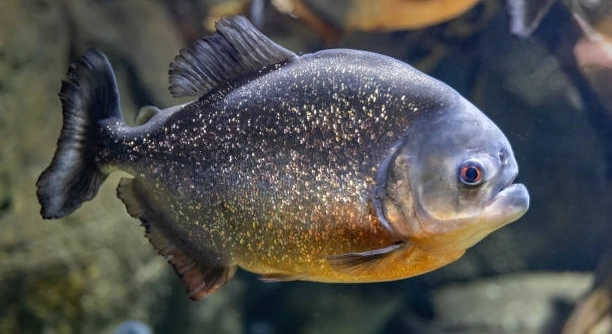
Are your piranhas not growing as quickly as you expected, despite your best efforts to care for them properly each day?
Piranha growth rates are influenced by several factors, including water temperature, diet quality, tank size, oxygen levels, genetics, stress, and light exposure. Each of these conditions plays a key role in determining how fast your piranha matures.
Understanding these seven factors can help you create a healthier environment and encourage more consistent growth in your piranhas over time.
Water Temperature Matters
Piranhas thrive in warm water, and maintaining the correct temperature is essential for healthy growth. Ideally, the water should stay between 75°F and 80°F. If the temperature drops too low, their metabolism slows down, leading to slower growth. Water that is too warm can cause stress and make them more aggressive, which also affects their development. A stable environment encourages consistent eating and movement, both of which support steady growth. Using a reliable aquarium heater and regularly monitoring the temperature with a thermometer can help keep conditions just right. Sudden changes in temperature, even just a few degrees, can interrupt feeding and affect immune response, making your piranhas more prone to illness. Stressed or sick piranhas do not grow well. It is important to avoid fluctuations and keep things consistent for the best results. Your piranhas will respond better to an environment that mimics their natural tropical habitat.
Even small drops in temperature can make them sluggish, causing them to eat less and move around less often.
It’s important to keep the temperature stable throughout the day and night. Avoid placing the tank near windows or vents. Fluctuating temperatures can go unnoticed but have long-term effects. Steady warmth promotes a healthier and more active fish overall.
Diet Quality and Feeding Routine
Piranhas need a protein-rich diet to grow well. Low-quality food or inconsistent feeding times can slow their development and affect their overall health.
Feeding your piranhas high-quality food at regular intervals is one of the most effective ways to support their growth. Their diet should include protein sources such as fish fillets, shrimp, or specially formulated pellets made for carnivorous fish. Occasional variety—like insects or bits of chicken—can also help meet their nutritional needs. Feed them small portions two to three times a day rather than one large meal, as this mimics their natural feeding habits and reduces waste in the tank. Overfeeding should be avoided, as uneaten food affects water quality, which in turn affects growth. It is also important to clean up leftovers quickly. Establishing a routine and sticking to it not only makes feeding easier but also helps the fish feel more secure, leading to better appetite and faster growth.
Tank Size and Space
A cramped tank slows piranha growth. When space is limited, piranhas may become stressed, aggressive, or territorial, which leads to less feeding and slower development. A spacious tank helps them feel secure and supports healthy activity levels.
For optimal growth, piranhas need plenty of room to swim and establish their space. A single adult piranha should have at least a 40-gallon tank, with an additional 20 gallons per extra fish. Small tanks not only restrict movement but also increase waste buildup, which lowers water quality and adds stress. Overcrowding causes competition for food and territory, which disrupts their routine and appetite. A larger tank helps maintain better water conditions, encourages natural behavior, and reduces aggression. Regular cleaning and proper filtration are also easier in a bigger setup. Your piranhas are more likely to stay healthy and grow steadily when they have enough room.
Piranhas are active and territorial by nature, so limited space leads to conflict and slower growth. When fish can’t establish their own territory, they become more anxious. This tension affects their eating habits and can even lead to injury. A large, well-planted tank helps them feel secure, promoting steady and healthy growth throughout their lifespan.
Oxygen Levels and Filtration
Poor oxygen levels limit how well piranhas grow. These fish need well-oxygenated water to stay active and metabolize food efficiently. Without enough oxygen, they become sluggish and stop eating regularly.
Good filtration and aeration are necessary to maintain healthy oxygen levels. A powerful filter helps remove waste, keeping the water clean and rich in oxygen. Adding an air stone or sponge filter boosts circulation and improves gas exchange. It’s also helpful to check oxygen levels during warmer months since warmer water holds less oxygen. If your piranhas seem to hover near the surface or breathe heavily, it may be a sign that oxygen levels are too low. Avoid overstocking the tank, as more fish means more waste and greater oxygen demand. Keeping the tank clean and well-aerated encourages active behavior and better feeding. These conditions support a healthier metabolism, which directly impacts how fast your piranhas grow.
Genetics and Growth Potential
Genetics play a major role in how quickly piranhas grow. Some fish naturally grow faster than others, even under the same conditions. Growth patterns can vary depending on the species and breeding quality of the piranha.
Fish from healthy genetic lines usually show more consistent growth. Poor genetics may cause slow development or physical issues that affect feeding and behavior. Choosing healthy, active piranhas from reputable sources can make a big difference in how well they mature over time.
Stress Levels in the Tank
Chronic stress stunts piranha growth by affecting appetite, behavior, and immune function. Stress can come from sudden changes in lighting, poor water quality, or aggressive tank mates. A calm environment with stable conditions helps piranhas feel safe, promoting better eating habits and overall health.
Light Exposure
Too much or too little light affects piranha behavior and growth. Balanced lighting encourages natural activity and feeding patterns. Use a timer to maintain a consistent light cycle, mimicking a stable day and night rhythm in the tank.
FAQ
How fast do piranhas usually grow?
Piranhas grow quickly in their first year, often reaching 6 inches in 6 to 8 months under proper care. After that, growth slows and becomes more gradual. With good water quality, space, and a proper diet, adult piranhas can reach around 10 to 12 inches in length. Growth varies by species and individual genetics, so some may grow faster or slower even in similar conditions. If you’re not seeing steady progress, check for stress, poor feeding habits, or overcrowding in the tank. Most problems can be corrected with simple changes to tank setup or routine.
What’s the best temperature for piranha growth?
The ideal temperature for piranhas is between 75°F and 80°F (24°C to 27°C). Warmer water helps support digestion and metabolism, encouraging better growth. Water that’s too cold slows their activity and appetite, while temperatures above 82°F can lead to oxygen loss and stress. Use a reliable aquarium heater and thermometer to maintain stable temperatures. Sudden drops or fluctuations can be harmful, so consistency is important. A digital thermometer with an alarm can also help you monitor any unusual changes. Keeping the temperature steady will support both their growth rate and long-term health.
Can I feed piranhas live food to help them grow faster?
Live food isn’t necessary for growth and can sometimes lead to more aggression or poor water conditions. High-quality frozen foods, pellets, and occasional protein-rich treats like shrimp or earthworms are enough. These options are cleaner and easier to manage. While live food might mimic natural hunting behavior, it’s not essential for healthy development in captivity. If you choose to offer live food, do so rarely and only from trusted sources to avoid introducing disease. A balanced, varied diet with regular feeding is more effective than relying on live prey to boost growth.
How often should piranhas be fed for maximum growth?
Young piranhas should be fed once or twice daily in small portions they can finish within a few minutes. As they age, feeding once a day is enough. Overfeeding can cause waste buildup and water problems, which slow down growth. Consistent feeding with high-protein food like fish-based pellets, shrimp, and the occasional vegetable helps meet their dietary needs. Try to stick to a schedule and watch for leftovers that suggest overfeeding. Skip feeding one day a week to let their system rest, which can also improve digestion and keep the tank cleaner.
Do piranhas need plants and decorations to grow well?
Yes, a well-decorated tank with hiding spots and plants helps reduce stress and supports growth. When fish feel secure, they are more likely to eat regularly and act naturally. Decorations like driftwood, caves, and artificial plants can make a big difference. Live plants also improve water quality by absorbing nitrates. Avoid overcrowding the tank with too many decorations though, as piranhas still need room to swim freely. Try to find a balance between open space and shelter. Creating a stable, comfortable environment is just as important as feeding them the right food.
Does light schedule matter for their growth?
Yes, piranhas benefit from a regular light schedule. Around 10 to 12 hours of light per day helps regulate their behavior, appetite, and rest cycles. A timer makes it easy to maintain this rhythm. Sudden light changes or constant lighting can stress them out and disrupt feeding habits. Natural day-night cycles promote healthy growth by supporting consistent behavior. If they seem skittish or inactive, adjusting your lighting setup could help. Use a soft light to prevent glare and sudden brightness, especially in the evening. The right lighting supports both health and growth.
Why do some of my piranhas grow faster than others?
Differences in size are normal, especially if you keep several fish in the same tank. Some piranhas may be more dominant and get to food first, leading to faster growth. Genetics also play a big role—some fish are simply built to grow quicker. To manage uneven growth, try feeding in multiple spots or using divider tools temporarily during feeding times. This helps less aggressive fish get their fair share. Regular observation helps you catch any problems early. If growth differences are extreme, check for stress, poor diet, or early signs of illness.
Final Thoughts
Understanding what affects piranha growth is helpful if you want to keep them healthy and active in your aquarium. These fish need more than just food and water. They depend on steady temperatures, clean tanks, enough space, and a balanced diet to grow properly. When any of these factors are off, their growth slows down, and they may even become sick or stressed. It’s not about making major changes all at once. Small, consistent adjustments can go a long way. Paying attention to details like feeding schedules, water changes, and tank setup really does matter over time.
Piranhas are sensitive to their environment. They react to sudden changes in water conditions, poor lighting, or aggressive tank mates. If they feel unsafe or uncomfortable, they may stop eating or hide often, both of which hurt their growth. This is why creating a calm and stable tank setup is important. Adding hiding spaces, avoiding loud noises, and not overfeeding them helps lower their stress levels. These are all simple steps, but they support your piranha’s long-term health. Growth isn’t always fast or obvious, but if their needs are met, they will reach their full size in time. Patience is key.
Caring for piranhas is not very hard once you get used to their habits and needs. Regular observation helps you notice changes in their size, behavior, or eating patterns. If something seems off, it’s best to check early. You may need to test the water, adjust the diet, or rearrange the tank. These fish can live long and grow well with the right care. Growth isn’t only about size—it’s also about keeping your piranhas active and comfortable in their space. Taking the time to understand what they need can make the experience smoother and more rewarding.

Hello,
If you enjoy the content that we create, please consider saying a "Thank You!" by leaving a tip.
Every little bit helps us continue crafting quality advice that supports the health, happiness, and well-being of pets around the world, for pets of all shapes, sizes, and species.
We really appreciate the kindness and support that you show us!