
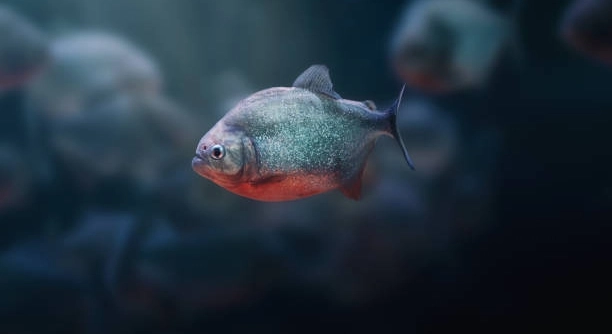
Are your aquarium fish acting strange, showing quick darts or hiding more than usual? These behaviors might seem minor but can signal something serious. Observing their movements closely can help you spot trouble before it’s too late.
Certain piranha movements indicate stress, illness, or aggression and should never be ignored. Rapid circling, sudden darting, fin twitching, or unusual stillness can signal poor water quality, internal issues, or environmental distress requiring immediate attention.
Recognizing these warning signs can help you create a safer and healthier environment for your piranhas moving forward.
Rapid Circling Near the Glass
Piranhas that swim in fast circles close to the glass may be stressed or overstimulated. This movement is often a sign they feel threatened by something in their environment. It could be caused by too much noise, sudden light changes, or even unfamiliar tankmates. Consistent circling without breaks can lead to exhaustion and lowered immune function. To help your piranhas settle, keep their tank environment stable and quiet. Add hiding spots like driftwood or plants to give them a sense of security. A balanced light cycle also plays a role in keeping their behavior in check.
This movement isn’t just a display—it can quickly wear the fish out if left unaddressed.
Adjusting the tank lighting, removing aggressive tankmates, and reducing outside disturbances can all help reduce this behavior. It’s important to act quickly once you notice repetitive swimming patterns, as they can escalate into more serious stress responses or health issues over time.
Sudden Darting Without a Clear Trigger
Sudden darting might seem normal at first, but if it keeps happening, something is likely wrong.
Piranhas will dart suddenly when startled, but repeated darting without a visible cause can point to a deeper issue. It may mean there’s something irritating their skin or gills—like high ammonia levels, incorrect pH, or a parasite. Check the water parameters immediately and look for signs of infection. If everything checks out, think back to any recent changes. Even small shifts in temperature or decor can throw off their sense of safety. If you notice your piranha doing this more than once a day, don’t ignore it. They may end up hurting themselves on tank decorations or glass. A clean tank, consistent care, and careful observation can go a long way in preventing these stress-related behaviors from turning into serious injuries or illnesses.
Unusual Stillness During Active Hours
If your piranha stays still for long periods during times they’re usually active, it could signal that something’s wrong. Healthy piranhas are alert and responsive, especially around feeding times or when there’s motion nearby.
Stillness can be caused by water temperature being too low or high, which slows their metabolism. It might also be linked to a recent stressor—such as loud noises, handling, or relocation. Infections or internal parasites can drain energy and lead to this kind of behavior. Check the temperature, ammonia, nitrite, and nitrate levels to rule out water quality problems. Observe their breathing and appetite. If they’re breathing heavily or refusing food, illness is likely. Keep the environment quiet and limit tank disruptions. Regular water changes and proper filtration are essential. If nothing improves within a day or two, a vet experienced with fish should be consulted to prevent further decline in health.
You might also notice your piranha avoiding areas of the tank altogether. That could indicate they’re sensing something off in that space—perhaps a toxin, draft, or stray electrical current from equipment. Test every part of the tank setup and unplug each device one at a time to find the source. Consistent stillness paired with hiding or color changes is not a good sign. Prompt action can make all the difference before the behavior worsens.
Erratic Fin Twitching or Shaking
Piranhas twitching or shaking their fins more than usual could be reacting to something irritating their body. This subtle behavior is easy to miss but often indicates skin issues or poor water conditions.
A twitchy piranha may be dealing with parasites like ich or flukes, both of which cause discomfort and damage over time. You might see tiny white spots or cloudy patches forming along their body. Scratching against objects is another key sign. Fin movement becomes sharp or uneven, showing they’re trying to relieve discomfort. Test the water for ammonia, pH imbalances, and other irregularities. If parameters seem fine, it’s best to start with a broad-spectrum treatment made for parasites. Maintain stable water temperature and remove carbon filters if using medication. Monitor progress for the next few days. Early treatment usually leads to full recovery. Ignoring the signs can allow parasites to multiply and spread rapidly.
Frequent Hiding in the Same Spot
If your piranha constantly hides in the same spot, it may not feel safe. This repetitive behavior often shows fear, discomfort, or bullying from other fish. A stressed piranha won’t eat or interact normally.
Check for aggression in the tank or changes in lighting and temperature. Consistent hiding often signals something is making them feel exposed or threatened. Try adding more cover and limiting disruptions around the tank to help them feel secure.
Aggression Toward Tankmates Without Warning
Sudden aggression can happen when space is too tight, or there’s a lack of structure in the tank. Piranhas need enough territory and hiding spots to feel safe. Without them, they may turn aggressive even toward familiar tankmates. This isn’t always about hunger—it’s often about stress or insecurity. Look for signs of chasing, fin nipping, or blocking access to specific areas. Rearranging the tank decor, providing extra plants or caves, and keeping only compatible species can help lower tension. It’s also important to feed them regularly and ensure they’re not overcrowded. A calm, balanced tank lowers the chance of aggression.
Sudden Color Changes
If your piranha suddenly loses color or darkens, it may be reacting to stress, fear, or poor health. Watch for additional signs like fast breathing or clamped fins. Quick water testing can help rule out environmental causes.
FAQ
What does it mean if my piranha stops eating suddenly?
A sudden lack of appetite can be caused by stress, illness, or environmental changes. First, check water parameters—ammonia, nitrite, nitrate, pH, and temperature. Even small shifts can throw off a piranha’s appetite. If the water seems fine, think about recent tank changes, such as rearranging decorations or adding new fish. Stress from these disruptions may cause temporary refusal to eat. Also look for signs of illness, like cloudy eyes, labored breathing, or swelling. If your piranha still refuses food after 2–3 days, isolate it if possible and observe more closely. Offering live or fresh food may help spark interest.
Why is my piranha breathing fast even when it’s not active?
Rapid breathing is usually a response to poor oxygen levels or toxins in the water. Check your filtration and make sure there’s enough surface movement to support gas exchange. High ammonia or nitrite levels can burn gills and make breathing difficult. A sudden spike in temperature also reduces dissolved oxygen, forcing the fish to breathe harder. If breathing stays fast, perform a partial water change immediately. Adding an airstone can help. Look for other symptoms too—if there’s also color fading or erratic movement, it could be a more serious infection that needs treatment.
Is it normal for piranhas to fight each other?
Some aggression is expected, especially in smaller tanks or if food is limited. Piranhas are territorial, and even in groups, a pecking order is natural. But frequent or harsh attacks are a sign something’s off. Provide plenty of hiding spots and space to help reduce tension. Overcrowding is one of the biggest causes of conflict. If the tank setup stays the same and aggression continues, separating the most aggressive fish might be necessary. Monitor for injuries, like torn fins or bite marks. Feeding them at separate spots can also reduce competition and tension during mealtime.
Can lighting affect a piranha’s behavior?
Yes, lighting can have a big effect. Piranhas prefer dim lighting and can become jumpy or aggressive if the light is too bright or stays on too long. Bright lights also make them feel exposed, leading to hiding or color fading. Use a soft, adjustable LED or place floating plants to help diffuse brightness. Keep a consistent day-night cycle—around 10 to 12 hours of light is enough. Sudden shifts in lighting can startle them, so always use timers when possible. A calm lighting setup helps support their natural patterns and reduces stress over time.
Why is my piranha staying near the surface?
Hanging around the surface isn’t typical unless something’s wrong. Most of the time, it means they’re searching for oxygen or feeling unsafe below. Check the oxygen levels and ensure proper aeration in the tank. Poor water quality is often behind this change in behavior. In some cases, surface hovering can also be linked to swim bladder issues, which affect balance and movement. If your piranha seems to struggle when swimming or is slightly tilted, consider fasting for 24 hours and then offering a shelled pea or high-fiber food. Keep watching for improvements and test water quality right away.
What should I do if my piranha is hiding all day and not moving much?
It’s important to act fast when your piranha seems this withdrawn. Hiding for a few hours isn’t unusual, but all-day inactivity is a warning sign. First, rule out environmental stress. Loud sounds, vibrations, or aggressive tankmates can cause fear. Ensure your tank has solid hiding places that allow the fish to feel secure but still stay active. Check the heater and thermometer—extreme water temperatures can slow them down. Look closely for any physical signs of illness like bloating, white patches, or odd swimming patterns. If none appear and water levels are stable, try offering a favorite food. Recovery depends on early action.
Final Thoughts
Observing your piranha’s behavior closely is key to keeping it healthy and happy. The movements and actions they display often communicate their well-being better than any other sign. Ignoring unusual or repeated behaviors can lead to bigger problems down the line. By paying attention to things like sudden stillness, fin twitching, or hiding habits, you can catch issues early and take proper steps to help your fish. Regular tank maintenance, clean water, and a stable environment are the foundation of good care. They support your piranha’s natural instincts and reduce stress, which in turn prevents many common health problems.
It’s important to remember that every piranha is unique, and changes in behavior don’t always mean there is a serious issue. Sometimes, shifts in activity or movement are temporary responses to changes in the environment, such as new tankmates, different lighting, or seasonal variations. However, when these movements happen frequently or persist over time, they should not be overlooked. Small adjustments like providing better hiding spots, improving water quality, or adjusting feeding schedules can make a big difference. Being proactive and attentive lets you create the best possible home for your piranha and helps avoid emergency situations that can be stressful for both you and your fish.
Taking care of a piranha means understanding their natural behaviors and responding thoughtfully to their needs. It’s a combination of knowledge, observation, and timely action that keeps them thriving. This awareness will give you peace of mind and a better connection with your fish. Whether it’s noting sudden aggression or recognizing when your piranha is hiding too much, these movements hold valuable clues. Use them to guide your care routine and stay prepared. With patience and proper attention, your piranha can live a healthy, balanced life in your tank.

Hello,
If you enjoy the content that we create, please consider saying a "Thank You!" by leaving a tip.
Every little bit helps us continue crafting quality advice that supports the health, happiness, and well-being of pets around the world, for pets of all shapes, sizes, and species.
We really appreciate the kindness and support that you show us!