
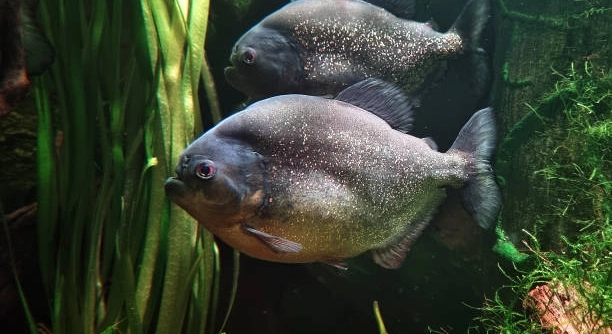
Piranhas are often known for their sharp teeth and fast movements. However, these fish have a unique way of communicating with each other using different signals. Understanding these signals can help us learn more about their behavior and social interactions.
Piranhas use seven key signals to communicate, including body posture, fin movements, jaw displays, sound production, color changes, swimming patterns, and chemical cues. These signals help them coordinate hunting, establish territory, and maintain social order within their groups.
These communication methods reveal the complexity behind piranhas’ interactions and offer insight into their daily lives beneath the water’s surface.
Body Posture and Fin Movements
Piranhas use their body posture to send clear messages to others in their group. When a piranha feels threatened or wants to assert dominance, it will puff up its body and spread its fins wide. This makes the fish look bigger and more intimidating. In contrast, a relaxed piranha keeps its body slim and fins close to its sides, signaling calmness and non-aggression. Fin movements also play a role in communication. Quick fin flicks can warn others to stay away, while slow, gentle movements might be part of social bonding. These physical signals help piranhas avoid unnecessary fights and keep their social groups stable. Watching how these fish use their bodies to talk shows how important non-verbal cues are under the water, especially for creatures that rely less on vocal sounds.
These postures and fin movements allow piranhas to interact safely and effectively, maintaining peace or warning others quickly.
Understanding these subtle signals is essential for anyone observing piranha behavior in the wild or in captivity. It helps to recognize when a fish feels threatened or relaxed, which can improve handling and care.
Jaw Displays and Sound Production
Jaw displays are one of the most striking ways piranhas communicate. When they open their jaws wide, showing their sharp teeth, they send a strong message of warning or aggression. This display often stops fights before they start by making the fish appear dangerous. Besides visual signals, piranhas also produce sounds like grunts or clicks by rubbing parts of their bodies together or vibrating their swim bladder. These sounds are usually low and hard for humans to hear but serve to alert nearby fish or express discomfort. Sound production adds another layer to their communication, helping piranhas stay connected even when they cannot see each other clearly in murky water. Both jaw displays and sounds play key roles in how piranhas protect themselves and organize their groups efficiently.
Color Changes
Piranhas can change their color slightly to communicate different states. Darker shades usually mean stress or aggression, while lighter colors suggest calmness or submission.
Color changes help piranhas signal their mood without making noise or movements that attract predators. When feeling threatened, a piranha’s body may darken, warning others to keep their distance. In social situations, a lighter color can show that the fish is not a threat and wants to avoid conflict. These shifts in color work together with other signals, such as body posture, to provide clear communication within the group. This ability to change color helps piranhas maintain order and avoid unnecessary fights, which is important for their survival in competitive environments.
Although subtle, these color signals are a key part of piranha communication. They allow fish to express emotions and intentions in ways that are easy to understand by other piranhas, even in murky waters or low light.
Swimming Patterns
Piranhas use different swimming patterns to send messages about their intentions or feelings. Fast, jerky movements can indicate aggression or alertness, while smooth, slow swimming signals calmness. These patterns help the fish coordinate group activities like hunting or moving through the water.
Swimming behavior also plays a role in social hierarchy. Dominant piranhas often swim confidently in front of the group, while submissive ones stay behind or swim away quickly. Changes in swimming speed or direction can warn others about danger or invite them to join in an activity. This form of communication is especially useful in dark or crowded water where visual signals might be harder to see. By watching swimming patterns, piranhas can maintain order and work together efficiently, which increases their chances of survival.
Chemical Cues
Piranhas release chemicals into the water to send messages to others. These chemical signals can warn of danger or indicate readiness to mate.
This method helps piranhas communicate even when visibility is low or when other signals are not effective.
Group Movement
Piranhas often move together in coordinated groups called shoals. This coordinated movement helps them protect each other and hunt more successfully.
By swimming in tight groups, piranhas confuse predators and improve their chances of catching prey. Group movement is a clear sign of teamwork and social bonding within piranha communities.
Territorial Displays
Piranhas show territory through aggressive behaviors like chasing or biting. These actions warn others to stay away from their space.
Territorial displays help reduce conflicts by clearly marking boundaries that others respect.
How do piranhas use signals to avoid fighting?
Piranhas use various signals like body posture, fin movements, and jaw displays to avoid unnecessary fights. By puffing up their bodies and spreading their fins, they appear larger and more threatening, which often scares others away. Jaw displays, where they open their mouths wide to show teeth, also serve as warnings. These visual signals allow piranhas to communicate aggression without engaging in physical battles. This helps keep the group stable and reduces injury. When a piranha shows calm postures or lighter colors, it signals submission, preventing conflicts. Overall, these signals work as peaceful warnings that maintain order in their social groups.
What role do chemical cues play in piranha communication?
Chemical cues are important for piranhas, especially in murky water where visibility is low. They release certain chemicals into the water to send messages to others nearby. These chemicals can signal danger, alerting others to predators or threats. They can also indicate readiness to mate or help maintain group cohesion. Because sound and visual signals might not always reach all members, chemical cues act as a silent, invisible way to stay connected. This method complements other signals and ensures piranhas can communicate effectively even when they can’t see or hear well.
Can piranhas communicate using sound?
Yes, piranhas produce sounds such as grunts or clicks, mainly by rubbing parts of their bodies together or vibrating their swim bladders. These sounds are usually low-frequency and hard for humans to hear but are important within their groups. Sound signals can express discomfort, warn others, or help maintain social bonds. While not as common as visual or chemical signals, sound is another tool piranhas use to communicate underwater, especially when visibility is poor.
How do swimming patterns help piranhas communicate?
Piranhas use different swimming patterns to send messages about their mood and intentions. Quick, jerky movements often show aggression or alertness. Smooth and slow swimming signals calmness or submission. Dominant fish tend to swim confidently at the front of the group, while submissive ones stay behind or move away quickly. These swimming behaviors help piranhas organize hunting, warn others of danger, and maintain social order. Because water can be murky, changes in swimming patterns are an easy and effective way to communicate without relying on sight or sound.
Why do piranhas change their color?
Piranhas change their color to express stress, aggression, or calmness. Darker colors usually mean the fish is stressed or ready to fight. Lighter colors suggest calmness or submission. These changes help fish communicate mood or status silently. Color shifts work alongside other signals like posture and movement to give clear messages to others in the group. This subtle communication helps avoid fights and maintain social balance.
What are territorial displays in piranhas?
Territorial displays involve aggressive actions such as chasing or biting to warn other fish away from a specific area. These displays make it clear which parts of the water a piranha claims as its own. By showing strong behavior, the fish reduces the chance of conflict by signaling others to respect its boundaries. This helps maintain peace in crowded environments where space is limited.
How do piranhas use group movement to communicate?
Piranhas move in coordinated groups called shoals, which helps protect them and improve hunting. Moving together confuses predators and allows them to catch prey more efficiently. Group movement also shows social bonding and cooperation within the shoal. It signals unity and shared purpose, making the group stronger than individual fish. This teamwork is vital for survival in their environment.
Piranhas use a variety of signals to communicate with each other, making their interactions more complex than many people realize. From changing their body posture and fin movements to showing their teeth in jaw displays, these fish send clear messages within their groups. They also use subtle color changes and different swimming patterns to show how they feel or what they want to do. This communication helps them avoid fights, work together when hunting, and protect their territory. Each signal plays an important role in how piranhas live and survive in their natural environment.
Chemical cues and sounds are also important parts of piranha communication. By releasing chemicals into the water, piranhas can warn others of danger or signal when they are ready to mate. Sounds like grunts or clicks, though hard for humans to hear, help keep the group connected. These methods allow piranhas to communicate even when they can’t see each other clearly, such as in murky water. Together with visual signals, these cues create a complete system that helps piranhas stay safe and work as a team.
Understanding how piranhas communicate gives us a better picture of their behavior and social life. It shows that they are not just aggressive fish but creatures with ways to express themselves and maintain order. These signals reduce conflict and improve cooperation, which benefits the whole group. Learning about these communication methods can help people who study or care for piranhas, making it easier to understand their needs and behaviors. It also reminds us that animals often have complex ways to talk to each other that we might not notice at first glance.

Hello,
If you enjoy the content that we create, please consider saying a "Thank You!" by leaving a tip.
Every little bit helps us continue crafting quality advice that supports the health, happiness, and well-being of pets around the world, for pets of all shapes, sizes, and species.
We really appreciate the kindness and support that you show us!