
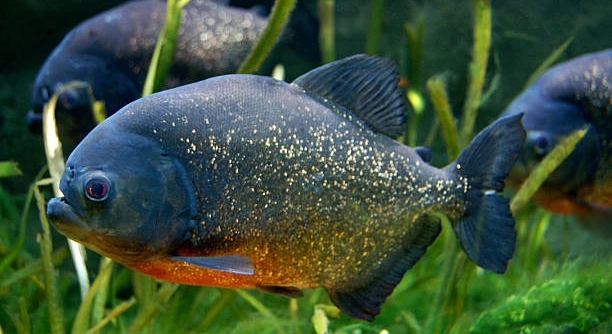
Piranhas respond differently to various colors in their environment. Certain hues can attract their attention more than others. Understanding which colors stimulate piranha curiosity helps in observing their natural behavior more effectively.
Research shows that piranhas are particularly drawn to seven specific colors due to their vision and natural instincts. These colors trigger curiosity by standing out sharply against their surroundings, encouraging interaction and increased activity in their environment.
Exploring these colors provides insight into how piranhas perceive and engage with their habitat, improving both care and observation practices.
The Role of Red in Piranha Curiosity
Red is one of the most stimulating colors for piranhas. It closely resembles the color of blood, which naturally draws their attention. In their natural habitat, flashes of red often signal potential prey or threats, causing piranhas to become more alert and investigative. This color triggers an instinctive response, making them more likely to approach objects or areas where red is present. Aquarists often use red-colored decorations or feeding tools to engage piranhas, encouraging them to explore and interact more actively. However, it is important to balance stimulation to avoid causing unnecessary stress. Red stands out sharply against the greens and browns typical in aquatic environments, enhancing its effectiveness. Understanding this response helps in designing better habitats and enrichment activities for piranhas in captivity. It also supports natural behavior observation by highlighting how specific stimuli influence their activity.
The attraction to red can be used to improve feeding and enrichment routines without overwhelming the fish.
Piranhas’ sensitivity to red reflects evolutionary traits that enhance their ability to detect food and rivals. The color acts as a visual trigger that heightens their alertness and curiosity, making red a powerful tool in behavioral studies and aquarium management. It’s essential to use this knowledge to create environments that promote natural activity without causing agitation, ensuring piranhas remain healthy and engaged. Proper use of red elements can enhance the well-being of these fish by encouraging natural exploratory behavior and reducing boredom in confined spaces.
Blue and Its Calming Yet Stimulating Effect
Blue is less aggressive than red but still attracts piranhas due to its contrast in water.
Blue tones create a balanced environment where piranhas feel curious without heightened aggression. This color mimics certain underwater shadows and reflections, encouraging piranhas to investigate. It provides visual stimulation that keeps them interested while maintaining a calmer atmosphere. In aquariums, blue decorations or lighting can improve piranhas’ overall mood and activity levels. Using blue strategically offers enrichment without causing stress or overstimulation. This color supports both exploratory and resting behaviors, contributing to a healthy environment that respects the fish’s natural responses to light and color.
The presence of blue in their habitat supports a steady level of curiosity that helps maintain their engagement with surroundings over time. It is an effective color for promoting balanced interaction in both natural and controlled settings.
Yellow and Its Attention-Grabbing Power
Yellow stands out vividly in aquatic environments, making it an effective color to catch piranhas’ attention quickly. This brightness mimics certain insects or small prey that piranhas naturally hunt. The color stimulates their curiosity and encourages investigation.
Yellow triggers piranhas’ natural hunting instincts, prompting closer examination of objects or movements. Its brightness contrasts sharply with typical underwater surroundings, creating an eye-catching stimulus. In captivity, yellow can be used in feeding devices or tank decorations to increase interaction and activity. This color is especially useful for engaging piranhas without provoking aggression, as it piques interest without resembling threat signals. Observing piranhas’ responses to yellow offers insights into how visual stimuli influence their behavior and environmental engagement.
Using yellow thoughtfully helps keep piranhas active and attentive. It offers a balance between stimulation and calm, providing consistent engagement that benefits their well-being.
Green’s Role in Familiarity and Exploration
Green blends naturally with aquatic plants and surroundings, offering a familiar color for piranhas. It does not create strong excitement but encourages steady exploration and comfort.
Piranhas respond to green as part of their environment, supporting relaxed behavior and cautious curiosity. This color allows them to investigate without the heightened alertness triggered by more intense colors. Green promotes natural foraging and interaction with plant-like elements in their habitat. Incorporating green in tanks or enrichment tools can enhance environmental complexity and reduce stress. The presence of green encourages consistent activity while maintaining a peaceful setting, which benefits both wild and captive piranhas by mimicking their native habitats more closely.
Orange and Its Energetic Appeal
Orange is a vibrant color that captures piranhas’ attention quickly. It combines the intensity of red with the brightness of yellow, making it highly stimulating.
This color can provoke increased activity and curiosity. Orange is often used in feeding tools to encourage piranhas to engage and explore their surroundings more actively.
Black and Contrast in the Environment
Black offers strong contrast against lighter colors, making it stand out sharply underwater. Piranhas respond to this contrast by investigating the source, which can indicate potential food or threat.
Its use in tank decorations or objects provides a clear visual signal that stimulates curiosity without overwhelming the fish. Black enhances natural behaviors related to hunting and defense.
White and Visual Clarity
White contrasts with the dark water and adds visual clarity to objects. Piranhas often investigate white objects as they appear distinct and unfamiliar, sparking interest.
White can be used to draw attention to specific areas or items, supporting observation and interaction in captive settings.
Purple’s Subtle Influence
Purple is less common but still attracts piranha curiosity due to its rarity. It offers a unique visual stimulus that encourages slow, cautious exploration.
FAQ
What colors do piranhas respond to most strongly?
Piranhas show the strongest responses to red, orange, and yellow. These colors mimic signals associated with food, movement, or threat in their natural environment. Red resembles blood and triggers instinctive alertness, while orange and yellow attract attention through brightness and contrast.
Why is red so effective at stimulating piranha curiosity?
Red closely resembles the color of blood and injured prey, which naturally triggers piranhas’ hunting instincts. This color stands out clearly in aquatic environments, prompting piranhas to investigate more actively. However, constant exposure to red should be limited to avoid causing stress.
Can using these colors cause aggression in piranhas?
Some colors like red and orange can increase alertness and sometimes provoke aggressive behavior if overused. It is important to balance stimulation with calm colors like blue or green, which promote exploration without heightened aggression. This balance helps maintain a healthy environment.
How can colors be used to improve piranha care in captivity?
Colors can be incorporated in tank decorations, feeding tools, or lighting to stimulate natural behavior. Bright colors such as yellow and orange encourage activity and curiosity, while calming colors like blue and green reduce stress. Using these colors thoughtfully supports enrichment and well-being.
Are piranhas colorblind or do they see all colors?
Piranhas are not colorblind; they perceive colors but their vision is tuned to detect contrasts that matter for survival. Their response to certain colors comes from how those colors stand out in their environment or resemble natural cues like prey or rivals.
Does lighting affect how piranhas see these colors?
Lighting conditions can alter how colors appear underwater. Bright lighting enhances visibility of colors like red and yellow, making them more effective at stimulating curiosity. Dim lighting may reduce the impact of these colors, so adjusting light is important for managing behavior.
Is it safe to use artificial colors or dyes in piranha tanks?
Using artificial colors or dyes is generally not recommended, as they can introduce chemicals harmful to fish. It is better to use colored decorations or natural elements that provide safe visual stimuli without compromising water quality or fish health.
Can color stimulation replace other forms of enrichment?
Color stimulation is one part of enrichment but should not replace other needs like habitat complexity, social interaction, and feeding variety. Combining visual cues with environmental changes ensures a well-rounded approach to keeping piranhas engaged and healthy.
Do juvenile and adult piranhas react differently to colors?
Younger piranhas may show more curiosity toward bright colors as they explore their environment, while adults might be more cautious or territorial. Adjusting colors and enrichment based on age and behavior improves care effectiveness.
How often should color stimuli be changed or rotated?
Regularly changing or rotating colors prevents habituation, where piranhas become indifferent to the stimuli. Introducing new colors or varying combinations every few weeks maintains interest and encourages natural exploration behaviors.
Final Thoughts
Colors play a significant role in stimulating piranha curiosity and influencing their behavior. Different colors trigger varying responses based on how they appear in the aquatic environment and what they represent to the fish. Bright colors like red, orange, and yellow capture attention quickly and can encourage more active exploration. These colors resemble natural signals related to food or danger, which explains why piranhas respond strongly to them. Understanding how color affects piranhas can help create better habitats that meet their behavioral needs.
Using colors strategically in aquariums can improve piranhas’ well-being. Colors that promote curiosity without causing stress can encourage natural activities such as exploring, hunting, and interacting with their surroundings. For example, blue and green create calmer atmospheres, balancing the stimulating effect of brighter colors. This balance is important to avoid overstimulation, which could lead to aggression or anxiety. Providing a varied environment with multiple colors supports the mental and physical health of piranhas, especially in captivity where their space is limited.
It is important to remember that color is just one factor in creating a healthy environment for piranhas. Other elements like tank size, water quality, hiding spots, and social dynamics also play crucial roles. Colors should be used thoughtfully as part of a broader strategy to enrich the habitat. Rotating colors and combining them with other forms of enrichment helps maintain the fish’s interest and prevents boredom. Observing how piranhas react to different colors and adjusting accordingly can enhance care and contribute to a better understanding of these fish’s natural behavior.

Hello,
If you enjoy the content that we create, please consider saying a "Thank You!" by leaving a tip.
Every little bit helps us continue crafting quality advice that supports the health, happiness, and well-being of pets around the world, for pets of all shapes, sizes, and species.
We really appreciate the kindness and support that you show us!