
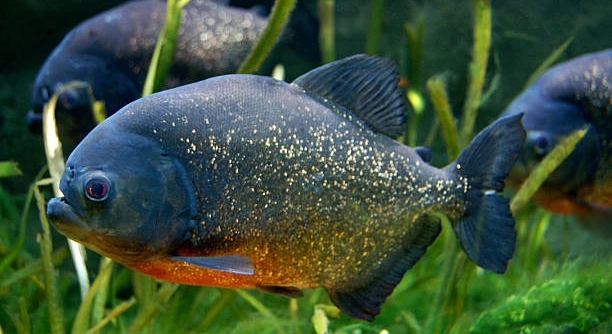
Many piranha owners seek ways to encourage more natural activity in their tanks. Creating an engaging environment can help these fish display their typical behaviors. Adjusting the tank setup with specific additions improves their overall liveliness and health.
Introducing plants, hiding spots, varied substrates, and proper lighting encourages natural movement and interaction among piranhas. These additions simulate their natural habitat, reduce stress, and promote more dynamic and visible activity within the aquarium environment.
Enhancing your piranha tank with these simple changes will create a more stimulating and healthy space for the fish. Each addition plays a role in improving their behavior and well-being.
Live Plants for Natural Cover
Live plants offer excellent cover and create a more natural environment for piranhas. They provide hiding places, which reduce stress and encourage natural behaviors like hunting and exploring. Plants also improve water quality by absorbing nitrates and producing oxygen. Choosing hardy species like Java fern or Anubias works well, as they tolerate a wide range of water conditions and resist being uprooted by active fish. The presence of live plants helps mimic the piranhas’ native habitats, promoting comfort and activity. It also benefits the overall ecosystem within the tank by supporting beneficial bacteria and stabilizing water chemistry. Proper placement and variety in plants encourage movement throughout the tank. This variety keeps the fish engaged and supports healthier, more visible activity.
Live plants improve tank stability and increase fish activity by providing shelter and oxygen. They also contribute to a balanced and healthier aquarium ecosystem.
Adding live plants transforms a plain tank into a stimulating environment. Piranhas can use the foliage as hiding spots, reducing aggression and stress. This encourages natural movement and interaction. The plants soften the tank’s appearance, making it more visually pleasing for viewers as well. Additionally, healthy plants help maintain better water conditions by consuming nutrients that might otherwise promote algae growth. Overall, plants are a simple yet effective way to enhance tank life and encourage more dynamic piranha activity.
Hiding Spots and Decorations
Hiding spots offer security and encourage natural behavior. They reduce territorial conflicts and help fish feel safe.
Providing caves, driftwood, and other decorations creates necessary hiding places for piranhas. These features reduce stress by allowing fish to escape from aggressive tank mates and establish territories without constant confrontation. Properly placed hiding spots support a balanced social environment, which encourages exploration and movement. Materials like smooth rocks and driftwood not only provide shelter but also enrich the tank’s natural appearance. Offering varied hiding places stimulates curiosity and activity in piranhas, as they move between safe zones. These elements also provide visual barriers, which can limit aggressive encounters and reduce stress-related inactivity. Overall, such additions make the aquarium more comfortable and active.
Decorations improve the tank’s complexity, encouraging piranhas to move and explore. This results in healthier, more natural behaviors, contributing to an engaging aquarium environment.
Varied Substrates
Different substrates add texture and interest to the tank floor. Gravel, sand, or mixed substrates create diverse surfaces that encourage natural foraging.
Offering a mix of substrates mimics the piranhas’ natural environment. Sand allows easy digging, while gravel provides hiding spots for small food particles. This variety encourages exploratory behavior and searching for food. It also helps create territories, reducing aggression by giving fish more space to claim. Substrate choice impacts water quality, with finer sand helping to trap waste for easier cleaning. A natural-looking substrate supports healthier fish and a more dynamic tank environment.
Using varied substrates can influence how piranhas interact with their surroundings. It encourages natural activity like digging and foraging, keeping them engaged. This leads to more frequent movement and visible behavior changes, making the tank livelier. Choosing the right substrate is important for the overall health and behavior of the fish.
Proper Lighting
Lighting affects fish activity by simulating natural day and night cycles. It helps regulate behavior and reduces stress.
Consistent lighting conditions support natural rhythms in piranhas, encouraging activity during daylight hours. Too bright or too dim lighting can cause stress or inactivity. Adjustable lighting allows for creating shaded areas and bright spots, giving fish choices based on their comfort. Proper lighting also promotes plant growth, benefiting the tank ecosystem. Timers help maintain a stable schedule, preventing sudden changes that can disturb fish. Balanced lighting enhances visibility, allowing piranhas to display more natural behaviors like hunting and social interaction.
Adjusting lighting based on the tank’s needs creates a comfortable and stimulating environment for piranhas. This improves their health and encourages regular activity. Consistent light cycles support natural behavior patterns.
Water Flow and Filtration
Water flow influences piranha activity by simulating natural river currents. Moderate flow encourages swimming and exercise.
Proper filtration maintains water clarity and quality. Clean water reduces stress and supports healthy behavior.
Tank Size and Shape
A larger tank provides more space for movement, reducing territorial aggression. It also allows better placement of decorations and plants, which encourages exploration. Longer tanks give piranhas more horizontal swimming room, promoting natural behavior and more frequent activity. Proper tank size and shape are essential to support healthy, active fish and reduce stress-related inactivity.
Feeding Enrichment
Varying feeding methods and types of food can stimulate natural hunting behavior. Offering live or frozen prey mimics their diet in the wild.
FAQ
What are the best plants to use in a piranha tank?
Choosing hardy, low-maintenance plants like Java fern, Anubias, and Amazon swords is ideal. These plants tolerate varying water conditions and resist damage from piranha activity. They provide good hiding spots without requiring intense lighting or frequent care, making them practical for most tanks.
How often should I change the water when adding live plants?
Water changes depend on tank size and plant density, but generally, changing 20-30% weekly works well. Live plants help reduce nitrates, but regular water changes keep the environment stable and clean, which encourages fish activity and overall health.
Do piranhas prefer sand or gravel substrate?
Piranhas show natural behaviors like digging more easily in sand. However, gravel can offer hiding spots for food and provide a varied terrain. A mixed substrate with both sand and gravel often creates the best environment to stimulate their natural habits.
How much water flow is ideal for piranhas?
Moderate water flow is best. It simulates river currents without exhausting the fish. Too strong a flow stresses them and limits swimming. An adjustable filter or powerhead can help maintain a steady, comfortable flow that encourages activity.
Can artificial decorations substitute for natural hiding spots?
Artificial decorations can provide shelter, but natural materials like driftwood or smooth rocks are often preferred. They offer more realistic textures and better water chemistry benefits. Still, well-placed artificial caves or structures can reduce stress and encourage exploration if natural options are limited.
What type of lighting schedule works best for piranhas?
A consistent 10-12 hour light cycle works well, simulating natural daylight patterns. Using a timer ensures stability. Gradual light changes, such as dimming in the morning and evening, help reduce stress and mimic natural conditions, promoting healthier activity.
How can I encourage more active feeding behavior?
Offering a variety of foods such as live or frozen fish, shrimp, and insects encourages natural hunting. Vary feeding locations and use feeding tools like tongs to simulate movement. Avoid overfeeding to keep fish motivated and reduce lethargy.
Does tank size affect piranha behavior?
Yes, larger tanks give piranhas space to swim and establish territories, which reduces aggression and increases activity. Longer tanks support horizontal swimming, which suits their natural behavior better than tall, narrow tanks.
Are there risks to using live plants with piranhas?
Some plants may be uprooted or damaged as piranhas explore. Choosing sturdy, well-rooted species helps. Regularly check plant health and replace damaged plants to maintain tank stability and comfort.
How important is water quality for piranha activity?
Water quality is critical. Poor water causes stress and inactivity. Use efficient filtration, regular water changes, and monitor parameters like ammonia, nitrite, and nitrate levels to maintain a healthy environment that encourages natural behaviors.
Can lighting affect aggression in piranhas?
Excessively bright or fluctuating lighting can increase stress and aggressive behavior. Balanced, consistent lighting with shaded areas reduces tension and promotes calmer, more active fish.
What role do hiding spots play in reducing aggression?
Hiding spots give fish places to retreat, lowering conflicts. This creates a more peaceful environment, encouraging exploration and movement rather than hiding or aggression.
Is feeding live prey necessary for piranha health?
Live prey is not strictly necessary but benefits activity and stimulation. Frozen or high-quality pellet foods are suitable alternatives. Offering occasional live food encourages hunting instincts, which keeps piranhas engaged and active.
How often should decorations and hiding spots be rearranged?
Rearranging every few weeks prevents boredom and stimulates exploration. Changing the layout encourages fish to move and investigate, promoting activity without causing stress.
Can lighting improve plant growth in piranha tanks?
Yes, proper lighting supports healthy plant growth, which benefits the whole tank ecosystem. Healthy plants improve water quality and provide better hiding spots, indirectly encouraging fish activity.
What signs indicate stress due to poor tank setup?
Signs include lethargy, hiding constantly, loss of appetite, and aggression spikes. Addressing water quality, adding hiding spots, and adjusting lighting can reduce stress and restore activity.
This FAQ covers common concerns about enhancing piranha tank activity through environment adjustments. Applying these tips will help maintain a healthy and lively aquarium.
Final Thoughts
Creating an environment that encourages piranha activity requires attention to several key factors. The right combination of tank size, substrate, plants, lighting, and water flow can make a noticeable difference. Each element plays a role in simulating a natural habitat where piranhas feel comfortable and stimulated. When these conditions are met, the fish tend to move more, explore their surroundings, and display behaviors closer to what they show in the wild. This not only benefits the fish’s health but also makes observing them more interesting and rewarding.
Consistency in care is important for maintaining piranha activity over time. Regular water changes and proper filtration help keep the water clean and safe. A stable environment reduces stress, which can otherwise lead to inactivity or aggressive behavior. Feeding variety is another factor that influences how active piranhas are. Offering different types of food, including live or frozen prey, can encourage natural hunting behaviors and prevent boredom. Small changes in the tank setup or feeding routine can stimulate the fish to be more engaged and lively.
It is also essential to keep monitoring the tank conditions and fish behavior. Not all piranhas react the same way to their environment, so adjustments may be needed based on observation. Watching how the fish interact with the tank additions will help identify what works best. Over time, a balance can be achieved that supports a healthy and active piranha community. These efforts contribute to the long-term success of keeping piranhas and ensure they remain vibrant and dynamic in their aquarium setting.

Hello,
If you enjoy the content that we create, please consider saying a "Thank You!" by leaving a tip.
Every little bit helps us continue crafting quality advice that supports the health, happiness, and well-being of pets around the world, for pets of all shapes, sizes, and species.
We really appreciate the kindness and support that you show us!