
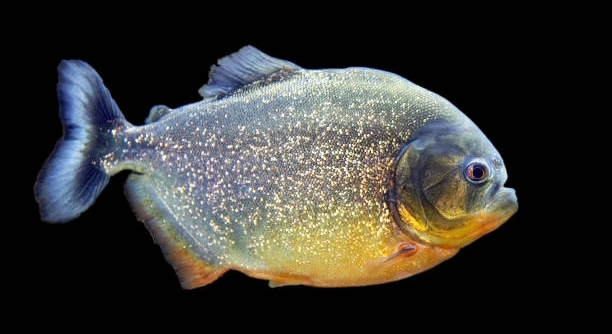
Piranhas are often seen as fierce fish, but some species show unusual behavior that sets them apart. These variations highlight the diversity within the piranha family beyond their common aggressive reputation.
Certain piranhas exhibit unique traits such as herbivorous diets, social cooperation, or distinct hunting methods. These behaviors contrast with the typical aggressive and carnivorous nature associated with most piranhas, illustrating the variety of adaptations within the species.
These seven piranhas reveal unexpected traits that challenge common beliefs, offering a broader view of their complex behaviors and ecological roles.
Red-Bellied Piranha: More Than Just a Fierce Face
The red-bellied piranha is the species most people recognize. It is often depicted as aggressive and dangerous. However, this fish displays surprising social behaviors. They live in groups that provide protection against predators. When threatened, they may show their sharp teeth as a warning rather than immediately attacking. These piranhas also scavenge for food instead of only hunting live prey. They use their strong jaws to crush shells and plants, showing they are not exclusively carnivorous. The red-bellied piranha’s behavior depends on environmental factors such as water temperature and availability of food. Their reputation as relentless killers is partly exaggerated. Their group dynamics also involve complex communication through sounds and movements, allowing them to coordinate when hunting or defending territory. This social aspect often goes unnoticed but is crucial for their survival.
Red-bellied piranhas form schools for protection and show more cautious behavior than commonly believed.
Their ability to adapt their feeding and social habits highlights how this species balances aggression with cooperation, proving they are more versatile than their image suggests.
San Francisco Piranha: Unusual Diet and Habitat
San Francisco piranhas inhabit flooded forest areas where food sources vary greatly. This species feeds mostly on plant material, including seeds and fruits. Their teeth, unlike other piranhas, are flatter to help grind this food efficiently. They have adapted to a less aggressive lifestyle and avoid conflict with other fish. Their diet helps maintain balance in their habitat by controlling the growth of aquatic plants. In addition to plants, they consume insects and small fish when available. This flexibility in diet allows them to survive through different seasons. Unlike the typical image of piranhas as predators, San Francisco piranhas contribute to seed dispersal. This role supports the health of their flooded forest environment. Their peaceful nature and unique diet distinguish them within the piranha family, showing how diverse these fish can be.
San Francisco piranhas mainly consume plants and small animals, differing from typical carnivorous piranhas.
Their role in seed dispersal helps maintain the ecological balance in their flooded forest homes, emphasizing their ecological importance beyond predation.
Black Spot Piranha’s Unique Behavior
The black spot piranha is less aggressive than most piranhas. It tends to avoid conflict and prefers hiding among plants. This behavior helps it survive in crowded environments where competition is high.
Black spot piranhas often stay near the bottom of rivers, using vegetation as cover. They feed on insects, small fish, and plant material, showing a flexible diet. Their preference for calm waters and hiding spots allows them to avoid larger predators. Despite their smaller size, they can defend themselves when necessary but usually rely on stealth and speed.
Unlike the typical aggressive image, black spot piranhas exhibit cautious and opportunistic behavior. Their ability to blend into their surroundings and varied diet highlight how adaptability plays a key role in their survival. These traits make them less threatening yet effective in their ecosystem.
Wimple Piranha’s Social Structure
Wimple piranhas show strong social bonds within their groups. They communicate through sounds and synchronized movements to coordinate activities and protect territory.
This species is known for cooperative hunting, where individuals work together to catch prey. Such collaboration increases their hunting success and reduces the risk for each fish. They rely on a hierarchy within the group, where dominant fish lead while others follow. Wimple piranhas also engage in playful behavior, such as chasing each other without aggression. This social interaction strengthens group cohesion and helps maintain order. Their social nature contrasts sharply with the solitary and aggressive stereotype often associated with piranhas. By living in organized groups, wimple piranhas demonstrate complex behavior that supports their survival in competitive habitats.
Red Hook Silver Dollar Piranha’s Feeding Habits
The red hook silver dollar piranha primarily feeds on plants and fruits. This diet is unusual compared to the typical meat-eating piranha. Their teeth are adapted for crushing vegetation rather than tearing flesh.
They play an important role in their environment by helping disperse seeds. Their peaceful nature and plant-based diet set them apart from more aggressive relatives.
Golden Piranha’s Bright Colors
Golden piranhas have a striking appearance that serves as camouflage among sunlit waters and plants. Their vibrant color helps them blend in, reducing encounters with predators.
This adaptation aids their survival by balancing visibility for social signals with protection from threats. Their colors make them unique within the piranha group.
Wedge-Capped Piranha’s Hunting Strategy
Wedge-capped piranhas hunt in coordinated groups to capture prey efficiently. They use speed and teamwork to overwhelm targets, showing high levels of cooperation rarely seen in other piranha species.
This group hunting improves their chances of success while minimizing individual risk. Their strategic approach contrasts with the lone hunter image commonly associated with piranhas.
Blue Spot Piranha’s Habitat
Blue spot piranhas prefer shaded, slow-moving waters rich in plant life. This environment provides both food and protection.
Their preference for calm waters reflects their less aggressive and more cautious behavior compared to other piranhas.
FAQ
What makes these seven piranhas behave differently from typical piranhas?
These seven piranha species show a range of behaviors that differ from the usual aggressive, carnivorous image. Some have diets leaning toward plants and fruits, while others exhibit social cooperation rather than solitary hunting. Their adaptations help them survive in varied environments by reducing conflict and expanding food sources.
Are all piranhas aggressive predators?
Not all piranhas are aggressive predators. While some species can be fierce hunters, others prefer to avoid conflict and feed on vegetation or small insects. Their aggression depends on factors like species, habitat, and food availability. Some use group defense or camouflage rather than direct attacks.
Do piranhas live in groups or alone?
Piranhas may live either in groups or alone, depending on the species. Many, such as the red-bellied and wimple piranhas, form schools for protection and cooperative hunting. Others prefer a more solitary life, hiding among plants to avoid threats.
How do piranhas communicate within their groups?
Piranhas communicate through sounds like clicks and bursts, as well as body movements. These signals help them coordinate hunting, establish territory, and maintain social order. This communication is essential for species that hunt cooperatively or live in close groups.
Can piranhas eat plants, or do they only eat meat?
Several piranha species eat plants, including fruits, seeds, and aquatic vegetation. These herbivorous or omnivorous diets contrast with the common belief that piranhas eat only meat. Plant material provides important nutrients and helps maintain balance in their ecosystems.
How do piranhas defend themselves from predators?
Piranhas use various strategies to avoid predators. Some rely on group safety, forming schools that confuse attackers. Others use camouflage to blend into their surroundings or quickly hide among plants. Their sharp teeth serve as a last line of defense when threatened.
Are piranhas dangerous to humans?
Piranhas are generally not dangerous to humans unless provoked. Most species avoid contact and only attack in defense or when food is scarce. Their aggressive reputation is often exaggerated, and many piranhas coexist peacefully with other fish and animals.
What role do piranhas play in their ecosystems?
Piranhas contribute by controlling fish populations, cleaning up dead animals, and dispersing seeds through their plant-based diets. They help maintain the balance of aquatic environments by performing both predator and scavenger roles.
How do environmental factors influence piranha behavior?
Water temperature, food availability, and habitat conditions affect how piranhas behave. During scarce food supply, some species become more aggressive. Others adjust their social structures or feeding habits to adapt. Seasonal changes can also influence breeding and group formation.
Do piranhas have natural predators?
Yes, piranhas face predators such as larger fish, birds, and reptiles. Their group formations and hiding behaviors reduce risk, but these predators keep piranha populations in check and contribute to natural ecosystem balance.
How do piranhas reproduce and care for their young?
Piranhas lay eggs in nests built among plants or submerged roots. Some species guard their nests and protect young from predators. Parental care varies but is important for the survival of offspring in competitive environments.
Are piranhas suitable for home aquariums?
Some piranha species can be kept in home aquariums by experienced hobbyists. They require proper tank size, water quality, and diet. However, their aggressive tendencies and specific needs mean they are not recommended for beginners.
Can piranhas live in captivity without harming each other?
Certain piranhas can coexist in captivity if the tank is large enough and there are enough hiding spaces. Aggression can still occur, especially during feeding or breeding times. Careful monitoring and tank management are necessary to reduce conflicts.
What adaptations allow piranhas to thrive in different water conditions?
Piranhas adapt through variations in diet, social behavior, and physical traits like teeth shape. These changes help them survive in fast-flowing rivers, flooded forests, or calm lakes. Flexibility in feeding and habitat preferences supports their survival in diverse environments.
How do piranhas impact local fishing and communities?
Piranhas influence fishing by competing with other fish for resources and occasionally damaging fishing nets. In some areas, they are valued as a food source. Their presence can affect local ecosystems and the balance of aquatic life important to communities.
Final Thoughts
Piranhas often have a reputation for being aggressive and dangerous fish, but this is not true for all species. The seven piranhas discussed here behave differently from the common image many people have. Their varied diets, social habits, and adaptations show a broader picture of what piranhas really are. Some focus more on plants and fruits than meat, while others work together in groups instead of hunting alone. These differences highlight how diverse this group of fish can be, adapting to their environments in unique ways.
Understanding the behavior of these piranhas is important when considering their role in the ecosystem. They are not just fierce predators but also contribute to maintaining balance in their habitats. By eating different types of food, from plants to small animals, they help control populations and recycle nutrients. Their social behavior also affects how they survive and interact with other species. This shows that piranhas have complex lives and are not simply dangerous fish waiting to attack. Appreciating their unique traits helps change how they are viewed.
Keeping these piranhas in captivity or observing them in nature requires respect for their needs and behaviors. Each species has specific habits that affect how they live and interact with their environment. Recognizing these differences is key to their care and conservation. These piranhas offer valuable insight into how species adapt and thrive under different conditions. Their diversity adds richness to aquatic ecosystems, making them an interesting subject for study and observation. Overall, their varied behavior reminds us that piranhas are more than their reputation suggests.

Hello,
If you enjoy the content that we create, please consider saying a "Thank You!" by leaving a tip.
Every little bit helps us continue crafting quality advice that supports the health, happiness, and well-being of pets around the world, for pets of all shapes, sizes, and species.
We really appreciate the kindness and support that you show us!