
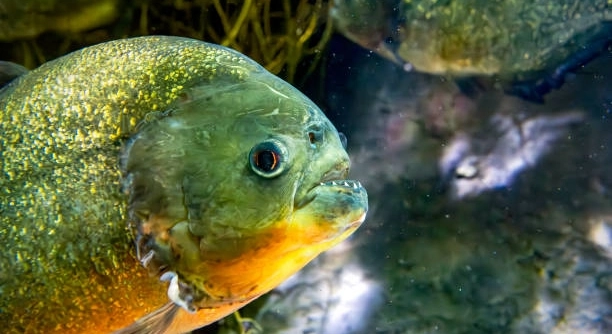
Many people find piranhas fascinating because of their sharp teeth and fierce reputation. These fish live in freshwater and have unique behaviors that set some apart from others. Understanding what makes aggressive piranhas different can help us appreciate their role in nature.
Aggressive piranhas are distinguished by specific traits such as sharper teeth, stronger jaws, territorial behavior, faster swimming speed, a more powerful bite, heightened alertness, and social hunting tactics. These factors combine to make certain piranhas more aggressive and effective predators.
Knowing these traits helps explain why some piranhas are more dangerous and how they interact within their environment. This insight brings clarity to their behavior beyond just their fearsome image.
Sharp Teeth and Strong Jaws
Aggressive piranhas have noticeably sharper teeth compared to their less aggressive relatives. These teeth are triangular, razor-edged, and perfectly designed for cutting through flesh quickly. Strong jaws work with these teeth to deliver a powerful bite that can tear apart prey in seconds. This combination makes aggressive piranhas very efficient hunters. Their teeth are also continuously replaced, ensuring they stay sharp and effective throughout their life. This trait is important because a dull tooth would slow down their ability to catch food or defend themselves. Additionally, strong jaws allow them to bite with great force, which helps them capture and hold onto slippery prey. The strength and sharpness work together, making them stand out among other fish in the same habitat. Their feeding habits rely heavily on this trait, shaping how they survive and compete.
This bite strength is a key reason why aggressive piranhas are feared in their natural environment.
Their teeth and jaws are essential tools, shaping their survival and feeding success every day.
Territorial Behavior and Social Hunting
Aggressive piranhas tend to be very territorial. They defend their space against intruders, especially when food or breeding grounds are involved. This behavior helps them control resources and protect their young. In groups, they hunt together, which increases their chances of capturing prey. Hunting in packs allows them to overwhelm larger fish that would be difficult to catch alone. This cooperation is rare among many fish species and shows a level of social organization. It also helps reduce individual risk during hunting, as more eyes are on the lookout for danger. Territory defense ensures they have a steady food supply and safe areas to live. This balance between aggression and teamwork is vital for their survival.
Territorial behavior supports their aggressive nature, helping them thrive in competitive environments.
Group hunting makes their attacks more effective, showing how cooperation boosts their power.
Maintaining a territory also limits conflicts with other fish, keeping their group strong and stable.
Faster Swimming Speed
Aggressive piranhas swim faster than their less aggressive counterparts. This speed helps them catch prey quickly and escape threats.
Their streamlined bodies and strong muscles give them the power to move swiftly through water. Quick bursts of speed allow them to ambush prey before it can react. This fast swimming ability is crucial during hunting, especially when they target agile fish. It also helps them avoid larger predators by darting away with ease. Without this speed, aggressive piranhas would struggle to secure enough food or protect themselves effectively in their environment.
Speed supports their aggressive hunting style and overall survival in fast-moving waters. It allows them to control territory and dominate smaller fish, securing their place in the food chain.
Heightened Alertness
Aggressive piranhas are always alert to changes in their surroundings. This alertness lets them react instantly to threats or opportunities for food. Their sharp senses detect vibrations and movements in water, helping them stay aware of predators and prey. Constant vigilance means they rarely miss a chance to hunt or defend their space. This high level of awareness is energy-consuming but necessary for survival in competitive habitats.
Being highly alert improves their chances of catching prey and avoiding danger. It also helps maintain group safety, as individuals signal each other when threats appear. This trait works hand in hand with their social hunting, making them effective and coordinated hunters. Alertness is a survival advantage that keeps them one step ahead in their environment.
Powerful Bite
Aggressive piranhas deliver one of the strongest bites in the fish world. Their bite force helps them crush prey quickly and efficiently.
This powerful bite is a result of strong jaw muscles working in sync with sharp teeth. It allows them to break through tough skin and scales with ease. This strength also helps in defending themselves against predators or rivals. Their bite is not just fast but also forceful enough to cause serious damage. This makes them top predators in their environment, capable of taking down prey much larger than themselves.
Social Hunting
Hunting in groups increases their success rate. They coordinate attacks to overwhelm prey, making it easier to capture.
Continuous Tooth Replacement
Piranhas constantly grow new teeth to replace worn or broken ones. This keeps them ready for hunting at all times.
What makes piranhas aggressive compared to other fish?
Piranhas are aggressive mainly because of their sharp teeth, strong jaws, and social hunting habits. These traits allow them to hunt effectively and defend their territory. Their heightened alertness also plays a role, helping them react quickly to threats or prey. Unlike many fish, they work in groups, which increases their hunting success and makes them more confident and bold.
How do piranhas use their teeth and jaws in hunting?
Their teeth are triangular and razor-sharp, perfect for slicing through flesh. Combined with powerful jaw muscles, this gives them a strong bite force. This allows piranhas to take large chunks out of prey quickly, reducing struggle time. They don’t rely only on biting but also use jaw strength to hold slippery prey securely, preventing escape.
Why do aggressive piranhas swim faster than others?
Faster swimming helps them catch prey before it escapes and avoid predators quickly. Their streamlined body and strong muscles are built for sudden bursts of speed. This agility is important during hunting and territorial fights, giving them an advantage over slower fish. Without this speed, their hunting style wouldn’t be as effective.
How important is territorial behavior for aggressive piranhas?
Territorial behavior helps them secure food, protect breeding grounds, and defend space from rivals. By holding a territory, they reduce competition for resources. It also creates safer areas for raising young. Aggressive defense of these spaces keeps the group stronger and more stable over time, which is crucial for their survival.
Do piranhas really hunt in groups?
Yes, many aggressive piranhas hunt cooperatively in packs. Group hunting allows them to surround and overwhelm larger or faster prey. It lowers the risk for individual fish since more eyes watch for danger. This social behavior makes their attacks more effective and increases food availability for the entire group.
How do piranhas stay alert in their environment?
Piranhas have sharp senses that detect water vibrations, movements, and changes in light. This alertness lets them spot both threats and prey quickly. Staying vigilant consumes energy but is necessary for survival. Being alert also helps them communicate danger within the group, improving safety and coordination.
What happens when a piranha loses a tooth?
Piranhas continuously replace their teeth throughout their lives. When a tooth breaks or wears down, a new one grows in its place. This ensures their teeth remain sharp and effective for hunting and defense. Constant tooth renewal is essential because dull teeth would reduce their ability to catch food or protect themselves.
Are all piranhas equally aggressive?
No, aggression levels vary among piranha species and even between individuals. Some piranhas are more peaceful, feeding mostly on plants or smaller prey. Aggressive species show stronger biting force, faster swimming, and more territorial behavior. These differences depend on habitat, diet, and competition for resources.
Can aggressive piranhas be dangerous to humans?
While piranhas have a fearsome reputation, attacks on humans are rare and usually happen if the fish feel threatened or food is scarce. Their bites can be painful, but they generally avoid people. Most aggressive behavior is directed toward other fish in their environment, not humans.
How do aggressive piranhas fit into their ecosystem?
Aggressive piranhas help control populations of other fish and keep ecosystems balanced. Their hunting prevents any one species from dominating and helps recycle nutrients. They are an important part of the food chain, feeding larger predators and maintaining healthy aquatic environments.
Aggressive piranhas have many unique traits that make them stand out among fish. Their sharp teeth, strong jaws, and powerful bite are all built for catching and eating prey efficiently. These features help them survive in their natural habitats, where competition for food is high. Their ability to swim quickly and work together in groups adds to their success as hunters. Understanding these traits gives a clearer picture of why piranhas have such a strong reputation. It’s not just about their fierceness but also about how well they are adapted to their environment.
Another important aspect of aggressive piranhas is their behavior. They are very territorial, defending their space and resources from others. This helps them control their environment and keep their groups safe. Their alertness also plays a big role in their survival. Being watchful allows them to react fast to dangers and opportunities. When they hunt as a group, their cooperation increases the chances of capturing prey. These behaviors show a balance between aggression and teamwork, which is key to how they live and thrive. This mix makes them more than just fierce fish—they are smart survivors.
Knowing more about aggressive piranhas helps reduce the fear and misunderstandings people often have about them. While they can be dangerous in certain situations, they are also important to their ecosystems. They help maintain balance by controlling populations of other fish and providing food for larger predators. Their traits and habits make them fascinating creatures to study. By respecting their role in nature, we can appreciate their strength and behavior without unnecessary fear. Aggressive piranhas are an example of how nature equips animals to fit perfectly into their surroundings.

Hello,
If you enjoy the content that we create, please consider saying a "Thank You!" by leaving a tip.
Every little bit helps us continue crafting quality advice that supports the health, happiness, and well-being of pets around the world, for pets of all shapes, sizes, and species.
We really appreciate the kindness and support that you show us!