
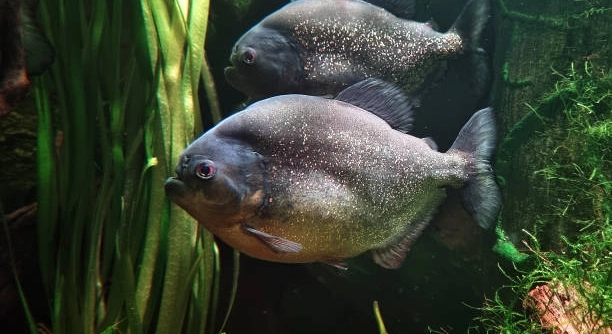
Piranhas live in rivers with lots of plants, but they do not eat all types. These fish have certain preferences and avoid some plants for various reasons. Understanding their choices helps us learn more about their behavior and habitat.
Piranhas avoid certain plants mainly because of the plants’ chemical defenses, texture, or lack of nutritional value. These factors make the plants unappealing or even harmful to the fish, influencing their feeding patterns and habitat selection.
Knowing why piranhas avoid specific plants can help us better understand their role in the ecosystem and how they interact with their environment.
Chemical Defenses in Plants
Many plants produce chemicals that protect them from being eaten. These substances can taste bitter or be toxic, which naturally keeps piranhas away. For example, some aquatic plants release compounds that irritate the fish’s mouth or disrupt their digestion. Piranhas have learned to avoid these plants because eating them could cause discomfort or harm. These chemical defenses are a natural way for plants to survive in environments filled with hungry animals.
The chemicals plants use act as a natural barrier to feeding by piranhas. This helps maintain a balance in the ecosystem by preventing overgrazing on certain plants.
Understanding these chemicals gives insight into how piranhas pick their food carefully. It shows how fish and plants have adapted to coexist without harming each other too much.
Texture and Physical Barriers
Piranhas tend to avoid plants that are tough, sharp, or have spines. These textures make it difficult or painful for the fish to bite or chew. Soft and flexible plants are easier for piranhas to eat, so they usually prefer those. Hard leaves or rough surfaces can injure their mouths or slow them down while feeding. This physical barrier plays a big role in which plants piranhas will stay away from.
Plants with rough textures protect themselves from being eaten by piranhas.
This avoidance of tough plants also influences where piranhas choose to swim and feed. It helps them save energy and avoid injury while foraging. This means piranhas often stick to areas where softer plants grow, making their feeding habits more efficient. Over time, this behavior affects the growth of plant communities and the overall health of the river environment.
Nutritional Value of Plants
Piranhas avoid plants that offer little to no nutritional benefit. Eating plants with low energy or essential nutrients is not worth their effort. They focus more on animals or plants that provide better fuel for their bodies.
Plants vary greatly in their nutrient content. Some aquatic plants have tough fibers and low protein, making them poor food choices for piranhas. These fish rely on protein-rich diets to maintain their energy and health. Since many plants do not meet these needs, piranhas naturally ignore them. This selective feeding helps piranhas survive in environments where food choices must be efficient.
The limited nutritional value of some plants means piranhas will only eat them if necessary. When preferred food is scarce, piranhas might nibble on certain plants but usually avoid those that don’t support their dietary needs well.
Habitat and Plant Availability
Piranhas live where plants vary in type and density. They avoid plants that do not fit their habitat needs or are hard to reach. Their feeding patterns depend on what plants grow around them and how accessible these plants are. This helps them conserve energy and avoid danger.
Plant distribution in rivers or lakes shapes where piranhas spend most of their time. Dense or thorny plants can block their movement, so piranhas stick to clearer spots. These areas often have the plants they prefer or more animal prey. Seasonal changes also affect which plants grow and how much food is available. Piranhas adapt by moving to different zones or changing their diet slightly, but they always avoid plants that make feeding difficult or unsafe. This behavior keeps their energy use balanced and supports their survival in changing environments.
Toxicity of Certain Plants
Some plants produce toxins that can harm piranhas if eaten. These toxins affect the fish’s health, making them avoid such plants.
The presence of toxins is a strong deterrent. Piranhas have learned to recognize and steer clear of toxic plants to stay safe and healthy.
Camouflage and Plant Color
Plants with colors that blend into the surroundings are less likely to be noticed by piranhas. Bright or unusual colors attract attention, while dull colors help plants avoid being eaten.
This natural camouflage helps some plants survive longer in piranha habitats by reducing the chances of being eaten.
Competition with Other Animals
Piranhas avoid plants heavily used by other animals to reduce competition for food. They often look for less crowded feeding spots to ensure enough resources.
Why do piranhas avoid some plants but eat others?
Piranhas avoid certain plants mainly because of taste, texture, and safety. Some plants taste bitter or have chemicals that irritate the fish. Others are too tough or sharp to chew. When a plant does not provide enough nutrition or could harm them, piranhas simply stay away. They focus their feeding on easier, softer plants or animal prey that give more energy and nutrients.
Are all aquatic plants harmful to piranhas?
No, not all aquatic plants are harmful. Many plants serve as shelter or places for piranhas to hide from predators. Some softer plants may even be nibbled on when food is scarce. However, plants with toxins or tough textures are usually avoided because they don’t benefit the fish and can cause injury or sickness.
Can piranhas eat plants if they have no other food?
Yes, in times of food shortage, piranhas might nibble on plants they usually avoid. This behavior helps them survive when animal prey is scarce. Still, they generally prefer protein-rich food and only eat plants out of necessity. Their digestive system is better suited for meat, so plants are a last option.
Do piranhas help control plant growth in their habitats?
Piranhas can affect plant growth but only indirectly. By avoiding certain plants and eating others, they shape which plants dominate their environment. Their selective feeding helps maintain a balance in plant communities. But piranhas mainly control animal populations rather than plants, since plants form a small part of their diet.
How do chemical defenses in plants protect them from piranhas?
Plants produce chemicals that taste bad or are toxic to piranhas. These chemicals discourage fish from eating them by causing discomfort or harm. This natural defense is important for the survival of plants, especially in waters where many fish and animals feed. Over time, piranhas learn to recognize these chemicals and avoid those plants.
Does the texture of a plant really matter to piranhas?
Yes, texture is a key factor. Piranhas avoid plants that are too tough, sharp, or spiny because they can hurt their mouths or be difficult to eat. Softer plants are easier to bite and swallow. This helps piranhas feed quickly and avoid injury, making texture a major reason for their plant choices.
Are there any plants that piranhas actively seek out?
Piranhas mostly look for animal prey but sometimes nibble on soft, tender plants. These plants usually have fewer defenses and provide some nutrients. While plants are not their preferred food, piranhas may eat them when they are easily available or when other food is limited.
How does plant availability affect where piranhas live?
The types and density of plants influence piranha habitats. They avoid areas with thick, thorny plants that block movement. Instead, they prefer places where softer plants grow and animal prey is plentiful. Plant availability helps determine where piranhas can feed safely and efficiently.
Can piranhas detect toxic plants before eating them?
Yes, piranhas have ways to detect toxic plants, mainly through taste and smell. They quickly reject plants with bitter or harmful chemicals. This helps them avoid illness and injury. Over time, they develop preferences that guide them away from dangerous plants.
Do piranhas compete with other animals for plants?
Piranhas usually don’t compete heavily for plants because they mainly eat meat. However, they avoid plants that other herbivores have overused to find less crowded feeding spots. This helps reduce competition and keeps their feeding efficient.
How does plant color affect piranha feeding habits?
Plants that blend into their environment are less noticeable and less likely to be eaten by piranhas. Bright or unusual colors may attract attention, but dull colors help plants avoid detection. This natural camouflage is another way plants protect themselves from being eaten.
Are piranhas harmful to plant populations overall?
Piranhas do not generally harm plant populations because plants are a small part of their diet. Their feeding mostly targets other fish and animals. By avoiding toxic or tough plants, they help preserve plant diversity in their habitat. Piranhas play a balanced role in their ecosystem.
Piranhas are often seen as fierce fish, but their eating habits show that they are quite selective about the plants they avoid. They do not eat every plant they find in their habitat. Instead, they choose to stay away from certain plants because of taste, texture, and possible harm. Some plants have chemicals that make them taste bad or can be toxic to the fish. Others have tough or sharp parts that can hurt piranhas or make it hard for them to eat. These natural defenses help plants survive and keep piranhas safe from eating things that might cause them harm.
In addition to chemical and physical reasons, piranhas avoid some plants because they do not provide enough nutrition. Piranhas rely mainly on protein from animals to get the energy they need. Since many plants do not offer enough nutrients, piranhas will not waste energy trying to eat them. They focus more on animal prey and soft, easy-to-eat plants. When food is scarce, piranhas may nibble on some plants, but it is never their first choice. Their feeding habits are a way of balancing energy use and survival.
Understanding why piranhas avoid certain plants helps us see how fish and plants interact in rivers and lakes. Piranhas do not just eat everything they come across; they have learned to recognize which plants are safe and nutritious. This behavior helps keep the ecosystem healthy by preventing damage to certain plant species. It also shows how both plants and animals have adapted to live together. By knowing more about these relationships, we can better appreciate the natural balance in aquatic environments where piranhas live.

Hello,
If you enjoy the content that we create, please consider saying a "Thank You!" by leaving a tip.
Every little bit helps us continue crafting quality advice that supports the health, happiness, and well-being of pets around the world, for pets of all shapes, sizes, and species.
We really appreciate the kindness and support that you show us!