
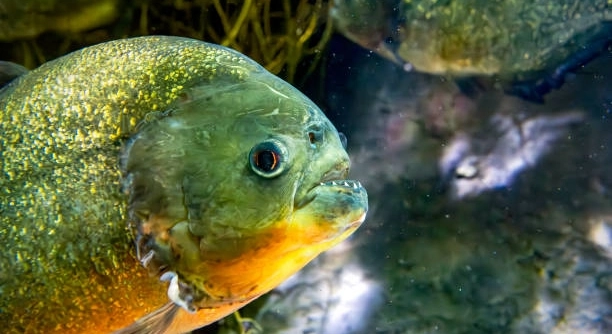
Do you ever find yourself surprised by how much mystery still surrounds piranhas, especially when it comes to their sharp teeth?
Piranha teeth are highly specialized tools designed for precision and power. These interlocking, razor-sharp teeth allow piranhas to shear through flesh efficiently, playing a critical role in their survival and feeding habits.
From natural shedding cycles to hidden dental patterns, these lesser-known facts might change how you view one of the Amazon’s most feared fish.
Hidden Regrowth Process
Piranhas lose and regrow their teeth in a unique way. Instead of losing one tooth at a time, they shed and replace an entire row. This keeps their bite aligned and sharp. The process is similar to how sharks replace teeth, but with a key difference—piranhas do it more methodically. This dental reset happens about once or twice a year, depending on age and feeding habits. While it may sound painful, it’s a natural and essential part of their lives. It allows them to maintain full biting strength without compromising effectiveness. Scientists believe this trait evolved to support their quick, slicing style of eating, where a fully functional bite is more important than individual tooth condition. The newly grown row takes a short time to harden and sharpen, so their feeding pattern rarely gets disrupted. Understanding this regrowth cycle shows how nature designed their teeth for maximum performance and minimal downtime.
This regrowth cycle protects piranhas from tooth damage and keeps them feeding without major issues.
When a full row of teeth grows back, it forms a tight, jagged line that looks almost like a saw blade. These rows work together with jaw pressure to slice through prey quickly and efficiently. Piranhas rely on the sharpness of this line for clean cuts and fast bites. What’s interesting is that their replacement teeth are often hidden under the gum line before emerging. This protects them from damage while they develop. In many cases, you won’t even notice the change unless you’re looking very closely. The process is quick, silent, and built for survival. These teeth don’t just cut—they also allow for precise stripping of flesh, which is vital when feeding in a group. This gives each fish a fair chance to eat without wasting time. The regrowth system supports this group feeding behavior, allowing each bite to stay powerful and effective.
Not All Teeth Are Equal
Not every tooth in a piranha’s mouth looks or works the same. Their front teeth are sharper and flatter, while others help with gripping and tearing.
The variation in tooth shape and placement serves specific feeding functions. Front teeth act like mini blades, built for slicing flesh with minimal effort. These are the teeth people most often see, as they form that iconic jagged smile. Meanwhile, back teeth are better suited for tearing and holding onto slippery prey. This combination allows piranhas to eat quickly and efficiently, especially in competitive feeding scenarios. Interestingly, their bite force is strong for their size, and it is evenly distributed thanks to how their jaws are structured. Each section of their mouth plays a role—nothing is random or unnecessary. The result is a mouth built for precision, speed, and power. Understanding this variation helps explain why piranhas are such effective feeders, even when compared to larger predators. Their bite may be small, but it’s incredibly refined.
Teeth Aren’t Always Visible
Piranhas don’t always show their teeth unless they feel threatened or are eating. When calm, their sharp rows are usually hidden behind their lips and gums, giving them a less intimidating look than expected.
This hidden feature helps piranhas avoid unnecessary aggression from other fish. In the wild, being too obvious can attract attention and danger. Their ability to hide their teeth makes them appear less threatening until it’s time to strike. This behavior is part of their survival strategy. Only when they open their mouths wide—during feeding or fighting—do their true tools show. This also helps protect their teeth from wear and damage, since they’re not exposed all the time. When you look at a relaxed piranha, it may seem harmless. But those deadly teeth are right there, tucked away, ready when needed. This contrast between appearance and function is what makes them so fascinating to study and observe.
Their jaw muscles also help with hiding their teeth. These muscles give them control over when and how to expose them. Unlike some animals whose teeth are always visible, piranhas are more selective. This helps them conserve energy and reduce the risk of damage when not feeding. It also plays a role in group behavior—showing teeth can be a signal of tension. When feeding in a frenzy, exposed teeth signal it’s time to compete. Outside of that, hiding them can keep group dynamics calm. Scientists have studied this feature closely and found that even juvenile piranhas show this control early. So it’s not just for adult fish—it’s a natural part of their design. Teeth are a tool, not a display, and piranhas seem to know that well.
Their Bite Isn’t Random
Piranhas don’t bite wildly—they target weak spots. Their bite is fast and accurate, designed to go for soft tissue areas like fins, tails, and bellies. This makes feeding quicker and more efficient.
This method of targeting lets them get the most out of a single bite. Aiming for soft spots reduces effort and increases results. Their bite can even disable prey in seconds. This strategy is especially useful in groups, where piranhas compete for the same food. Each fish needs to bite fast and move on, so wasting time or energy doesn’t work. In studies, piranhas have been observed testing prey with quick nips before committing to a full bite. This cautious approach shows how calculated their feeding behavior is. Even in stressful moments, they remain focused. This precision isn’t just for live prey—it helps them scavenge effectively too. Whether the food is moving or still, their instincts keep them efficient and sharp.
They Can Strip Flesh in Seconds
Piranhas use teamwork and speed to strip flesh rapidly. During group feeding, each fish takes small, quick bites, allowing them to feed efficiently without clashing. This coordination helps them clear prey down to the bone in just moments.
Their teeth act like tiny blades, slicing instead of tearing. This makes feeding cleaner and faster. The sharp edges let them remove skin, flesh, and even cartilage with surprising precision. Even larger animals can be reduced to bones quickly when piranhas feed as a group.
Teeth Make Sounds Too
When piranhas feel stressed or threatened, they grind their teeth. This makes a clicking or chattering noise that other fish can hear. Scientists believe this is a form of warning or communication. The sound acts as a signal to back off or stay away from their territory. Even in tanks, piranhas have been recorded making this noise during feeding or when handled by researchers. It’s not loud, but it’s sharp and clear. These grinding sounds show that their teeth aren’t just for biting—they can be part of social behavior too.
Their Teeth Stay Sharp Naturally
Piranha teeth sharpen themselves through use. Each bite creates friction, which helps keep the edges pointed. They don’t need to chew on objects or rub their teeth like some animals do. The structure of their enamel and how they bite both contribute to this natural sharpening process.
What makes piranha teeth so sharp?
Piranha teeth are sharp because of their shape and arrangement. Each tooth is triangular with razor-thin edges, designed for slicing. They fit tightly together like a set of scissors, allowing clean cuts through flesh. The enamel covering these teeth is hard and resistant to wear, keeping them sharp even after repeated use. Their teeth continuously grow and replace old or damaged ones, so they stay functional throughout the fish’s life. This combination of shape, hardness, and constant renewal makes piranha teeth extremely effective tools for feeding.
How often do piranhas lose and regrow their teeth?
Piranhas don’t lose single teeth randomly; instead, they shed entire rows of teeth at once. This process usually happens once or twice a year, depending on the fish’s age, diet, and environment. The new set grows underneath the old row and replaces it completely. This system helps maintain a sharp and well-aligned bite. Because the replacement is fast and coordinated, piranhas don’t lose much feeding time. The regrowth is a natural cycle, ensuring their teeth remain in top condition for hunting and defense.
Are all piranha teeth the same shape and size?
No, not all piranha teeth are identical. Their teeth vary in shape and size depending on their position in the mouth. The front teeth are sharp, flat, and blade-like for cutting flesh quickly. The back teeth tend to be stronger and more pointed, designed to grip prey and tear tougher parts. This variation helps piranhas handle different types of food effectively. Having specialized teeth means they can slice soft flesh and hold onto slippery prey without losing their catch.
Do piranhas use their teeth for anything besides feeding?
Yes, piranha teeth also play a role in communication and defense. When threatened or stressed, piranhas grind their teeth, producing a clicking or chattering noise. This sound acts as a warning to other fish, signaling them to stay away or back off. The teeth are not just tools for feeding but also part of their social behavior. In aggressive encounters, showing their sharp teeth can help intimidate rivals without actual fighting, helping avoid injury.
Why don’t piranhas show their teeth all the time?
Piranhas usually keep their teeth hidden behind their lips when they are calm or not feeding. This helps them avoid drawing unwanted attention from predators or rivals. Showing their teeth only when necessary — during feeding or threats — protects the teeth from unnecessary wear and damage. It also keeps group dynamics peaceful by reducing aggressive signals. This ability to control when their teeth are visible shows how well adapted piranhas are to their environment.
How strong is a piranha’s bite?
Despite their relatively small size, piranhas have a surprisingly strong bite. Their jaws generate significant pressure, enough to slice through flesh and even bones in some cases. This strength comes from powerful jaw muscles and the sharpness of their teeth working together. Their bite force is strong enough to quickly incapacitate prey or defend against threats. The precision and power of their bite make piranhas efficient feeders and formidable opponents in the water.
Can piranha teeth cause serious injury to humans?
Piranha bites can be painful and cause deep cuts, but serious injuries to humans are rare. Most bites happen when people accidentally provoke or handle them. The sharp teeth can slice skin easily, but piranhas typically avoid attacking large animals unless they feel threatened or are starving. Proper caution and respect for their habitat can prevent most negative encounters. Their teeth are meant for hunting smaller prey rather than harming humans.
Do piranhas use their teeth differently when hunting versus scavenging?
Yes, piranhas adjust how they use their teeth based on the situation. When hunting live prey, they use quick, precise bites to disable or injure the target. They aim for soft areas like fins and bellies to weaken the prey fast. When scavenging, piranhas use their teeth to strip flesh cleanly from dead animals. The slicing edges help remove meat efficiently without wasting energy. This adaptability makes their teeth valuable tools for feeding in different conditions.
What happens if a piranha loses a whole row of teeth unexpectedly?
If a piranha loses a full row of teeth outside its normal cycle, it can still feed but less efficiently. The replacement teeth usually start growing immediately beneath the lost row. While waiting for new teeth to harden, the fish may avoid tough prey or rely on softer food. This quick regrowth system ensures that the piranha’s feeding ability isn’t compromised for long. In the wild, tooth loss is rare outside of the natural replacement process.
Are piranha teeth unique compared to other fish?
Yes, piranha teeth are quite unique. While many fish have teeth for grasping or crushing, piranha teeth are specialized for slicing flesh. Their interlocking, razor-sharp edges resemble tiny knives, making them highly effective predators. Unlike most fish that lose teeth individually, piranhas replace entire rows, which is unusual. This combination of shape, arrangement, and replacement sets piranha teeth apart and supports their reputation as skilled feeders in their ecosystem.
Piranha teeth are more fascinating than most people realize. They are not just sharp tools for biting, but carefully designed structures that play several important roles in the fish’s life. These teeth grow in full rows that are replaced regularly, keeping their bite strong and efficient throughout their lives. The way piranhas use their teeth—whether for feeding, defense, or communication—shows how well adapted they are to their environment. Understanding these teeth helps us appreciate the natural design behind one of the Amazon’s most famous fish.
The sharpness and arrangement of piranha teeth make them highly effective for slicing flesh quickly and cleanly. Their teeth work together in a way that lets them strip meat in seconds, especially when feeding in groups. This ability to work as a team and their specialized bite make piranhas skilled hunters and scavengers alike. Their teeth also help them signal danger or stress by grinding together, which shows the many ways teeth are important beyond just eating. Their teeth are not just tools; they are part of how piranhas survive and communicate in their environment.
Finally, while piranha teeth can look intimidating, it’s important to remember they are part of a natural system that helps these fish live and thrive. The teeth are replaced regularly, stay sharp without extra effort, and are hidden when not needed. This makes piranhas efficient and careful feeders, rather than mindless biters. Learning about their teeth offers a clearer picture of how these fish function and why they are such interesting creatures. Piranha teeth reveal a balance of power, precision, and survival that is truly remarkable.

Hello,
If you enjoy the content that we create, please consider saying a "Thank You!" by leaving a tip.
Every little bit helps us continue crafting quality advice that supports the health, happiness, and well-being of pets around the world, for pets of all shapes, sizes, and species.
We really appreciate the kindness and support that you show us!