
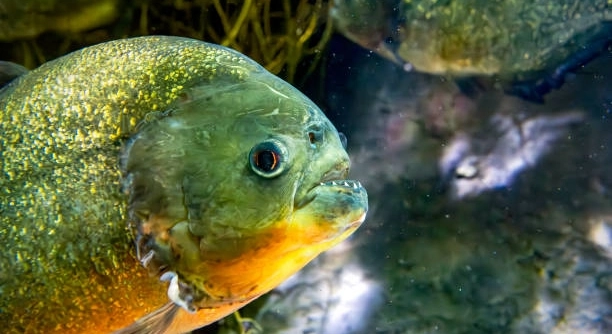
Have you ever been curious about what piranhas actually do right before they begin feeding? Their behavior can be surprising and even a little misunderstood. Let’s take a closer look at their habits just before mealtime.
Before feeding, piranhas exhibit specific behaviors including heightened group movement, circling motions, fin flicking, and synchronized positioning. These actions signal readiness and establish a social structure, which helps prevent conflict and maximizes efficiency during the feeding frenzy.
Understanding these behaviors gives insight into the fascinating world of piranhas and how their feeding rituals are guided by instinct and group dynamics.
They Gather in Groups Before Eating
Piranhas are not as wild and chaotic as people think. Before they eat, they gather in large groups called shoals. This group behavior isn’t just about hunting—it’s mainly for safety. Being in a group helps them watch for danger and also gives them an edge when food is nearby. They move closer together, often swimming in circles or side by side. These movements help them get into position. Once a food source is sensed, the group becomes more alert. They don’t rush in right away. Instead, they wait until enough fish are ready to strike together. This group coordination helps reduce injuries from other piranhas and increases the chance of getting food. It also makes their attack more powerful. Even though piranhas have sharp teeth, they rely on teamwork as much as their bite. Shoaling is one of their smartest moves, especially in waters full of competition.
This behavior helps avoid confusion and fighting. It keeps the group focused.
Each fish has its place, and they rely on each other to act fast when it’s time. This unity is one of their best tools, especially in tight feeding situations where quick action matters most.
They Get More Sensitive to Smells
Their sense of smell becomes more active before feeding. Piranhas can detect blood or wounded prey from far away, and this change helps guide their actions.
As feeding time nears, piranhas begin reacting more strongly to scents in the water. Their ability to pick up on changes, like a drop of blood or movements of a struggling animal, becomes more intense. Even though their eyesight is decent, their nose does more work in these moments. Water carries scent particles, and piranhas have special sensors in their snouts that can detect these tiny changes. This sensitivity is key to helping them find food fast and accurately. If the water carries the right signal, the group begins shifting direction toward the source. Their growing interest can be seen in their tighter group movement and quicker response times. They trust the scent and move together with purpose, closing in on their next meal.
They Circle the Target Slowly
Before striking, piranhas often swim in slow circles around their target. This movement helps them get a better sense of the situation. It also lets them judge the size and weakness of the prey without making a direct attack right away.
These circular patterns aren’t random. They serve an important purpose in the feeding process. Swimming around the prey allows each piranha to observe and wait for the best moment. If the prey moves or shows signs of distress, it gives the fish more information. They’re not just waiting—they’re measuring the risk and the reward. Sometimes, a single fish makes a test nip to see how the prey reacts. If the response is weak, others follow. If the prey fights back or moves quickly, they might wait longer. This delay helps the group strike when they’re most likely to succeed without wasting energy or getting hurt.
This behavior also reduces confusion in the group. When they circle calmly, there’s less chance of bumping into each other or starting a frenzy too early. It keeps things orderly. Each fish has a chance to spot weak points or openings. Once the group feels the timing is right, they can act together in a sudden and powerful burst.
They Flare Their Fins and Tense Up
Their bodies stiffen and their fins fan out as they get ready. These signals show rising excitement and alert others that something is about to happen. It’s a visible sign of high alert.
Fin flaring isn’t just about looking bigger. It also helps with balance and quick movement. As they tense up, piranhas improve their control in the water. A stiff body moves faster, and spread fins give better steering. These small changes help them prepare for a fast, sudden lunge. The group often mirrors each other, creating a wave of readiness. Watching them, it’s clear that they are not acting randomly. Each fish knows its role and adjusts its posture accordingly. This body language also reduces surprise. By showing signs of tension, they signal to others that a strike is close. It prevents clashing and helps the group move in sync, especially when seconds matter most.
They Wait for the Weakest Moment
Piranhas don’t always go for the first sign of food. They hold back until the prey is tired, hurt, or distracted. Waiting like this helps them strike with less effort and more success.
This delay also reduces the chance of the prey escaping. A weak moment means less chasing and less energy spent.
They Use Quick, Sharp Bites
Once they decide to feed, piranhas use fast, strong bites. Their teeth are sharp and shaped like tiny blades. One bite can tear through flesh quickly. They don’t chew or drag—it’s fast cutting, then pulling back. This method lets them feed efficiently in a short amount of time.
They Retreat After Biting
After a bite, they quickly move away to avoid hitting other fish. This gives room for the next piranha to move in. It keeps the feeding organized and avoids unnecessary fighting within the group.
FAQ
Do piranhas always eat in groups?
Most of the time, yes. Piranhas prefer feeding in groups because it gives them protection and increases their chances of getting food. A single piranha can eat alone, but it’s less common. Being in a group means they can share information about prey, take turns biting, and avoid injury. It also helps prevent them from becoming prey themselves. When they feel safe in numbers, their behavior is more controlled and efficient. Feeding alone leaves them more vulnerable, especially in open water. Group feeding is their usual and safest method.
Are piranhas dangerous to humans?
Not usually. Piranhas have a scary reputation, but they don’t go after humans unless they feel threatened or if food is very limited. In most cases, they’re more scared of people than we are of them. If someone enters the water, the fish will often scatter. Attacks can happen in rare situations, like during dry seasons when food is low and the water is shallow. But even then, injuries are minor and not life-threatening. They won’t swarm and eat a person like in movies. They just want to be left alone.
What triggers a piranha feeding frenzy?
A feeding frenzy starts when many fish become excited at once, usually by the smell of blood or a wounded animal. Once one piranha bites, others follow quickly. It’s a chain reaction. The movement, scent, and sound of splashing can build the energy fast. This sudden rush can look chaotic, but it follows a pattern. Each fish tries to get its bite without clashing into others. These frenzies are short, lasting only seconds, and often end as quickly as they begin. The behavior is about speed, not violence. It’s their way of surviving and making sure no food is wasted.
Do piranhas have a feeding schedule?
Not exactly. Piranhas don’t eat on a clock, but they do have feeding habits. Early morning and late afternoon are more active times for them. That’s when the water is cooler, and prey animals are moving around more. If food is scarce, they’ll adjust and feed whenever they can. Their bodies are built for short bursts of action, not long chases. So when they find food, they take quick bites and stop. They also don’t eat every day if prey isn’t around. Their feeding depends on water conditions, season, and prey availability.
How do piranhas communicate before feeding?
They use body language more than sound. Circling, fin flicking, and body tension are ways they show readiness. These signs keep the group alert and in sync. Sometimes they make clicking sounds underwater, especially when excited or trying to warn others. These clicks aren’t loud, but they carry through water well. This communication helps reduce confusion, avoid injury, and make sure each fish gets a chance to feed. Their signals are subtle, but in a group setting, they are clear enough to guide their actions.
Can piranhas overeat?
Yes, piranhas can overeat if food is too easy to get. In captivity, where food is given regularly, they may eat more than they need. In the wild, this happens less often because food is not always available. Overeating can cause health problems and affect their ability to swim well. It’s not common in nature, but when they’re fed too often by humans, it becomes a problem. Responsible feeding in tanks is important. In their natural habitat, hunger and competition keep their diet in balance.
Are young piranhas different in how they feed?
Young piranhas feed a bit differently. They often eat insects, small fish, or plants before moving on to larger prey. Their teeth and jaws are not as strong as adults, so their bites are smaller and less damaging. They also tend to stay closer to cover and avoid open water. As they grow, their feeding becomes more aggressive and better coordinated. The group behavior starts early, but it becomes more important as they mature. Young ones watch and learn from older fish, slowly picking up the skills they need to feed with the group.
Final Thoughts
Piranhas are often shown as wild, aggressive fish that attack anything in their path. But the truth is more interesting and less dramatic. Their feeding behavior is based on instinct, timing, and survival. They don’t bite just for the sake of it. Before they feed, they go through a series of steps that help them stay safe and make sure the group gets what it needs. From gathering in groups to circling the target, each action has a purpose. They wait for the right moment, and when that moment comes, they act fast and retreat just as quickly. These actions show that their feeding habits are organized and shaped by both group needs and their environment.
What makes piranhas stand out is how they rely on teamwork. Many people expect them to act alone or randomly, but they depend heavily on signals from each other. Whether it’s fin flaring, body tension, or sharp turns in the water, these small signs help them stay in sync. Their ability to communicate and move as one makes feeding safer and more effective. It also reduces injury and waste. When food is limited, this kind of behavior helps the whole group get a fair chance. Watching them in action shows that they are more than just sharp teeth. They are smart, alert, and well adapted to life in rivers with many threats.
Understanding how piranhas feed can change the way we think about them. Instead of being dangerous creatures, they are cautious, social fish trying to survive. They respond to hunger, changes in water, and movement with precision. They are careful planners when it comes to feeding. While they can be intense during a feeding moment, it’s not about being cruel or out of control. It’s about using every skill they have to eat quickly and safely. Knowing more about their behavior can help people care for them better in tanks or understand them more clearly in the wild. There is still a lot to learn, but what we know so far shows that piranhas are more thoughtful and efficient than their reputation suggests.

Hello,
If you enjoy the content that we create, please consider saying a "Thank You!" by leaving a tip.
Every little bit helps us continue crafting quality advice that supports the health, happiness, and well-being of pets around the world, for pets of all shapes, sizes, and species.
We really appreciate the kindness and support that you show us!