
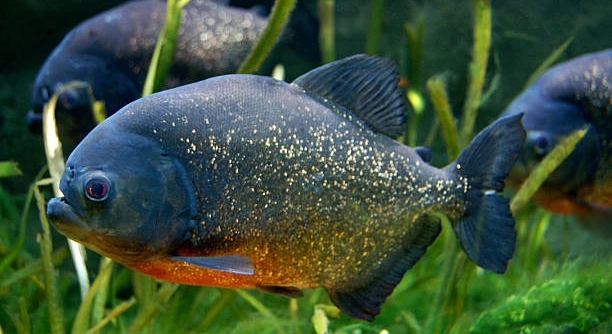
Do you ever find yourself watching a piranha and wondering what its body language might be telling you about its mood? These tiny river predators have more going on than just their sharp teeth and fast moves.
Each of a piranha’s seven fins can reveal something unique about its personality. By observing the positioning, movement, and condition of these fins, researchers can make educated guesses about stress levels, dominance, social interaction, and even comfort.
Understanding how fin behavior reflects inner states helps us appreciate the subtle complexity of these fish and gives aquarists better tools for care and enrichment.
The Dorsal Fin and Mood Swings
The dorsal fin, located on a piranha’s back, is one of the clearest indicators of emotional state. When raised and stiff, the fish may be on high alert, signaling stress or a reaction to change in its environment. A relaxed and slightly curved dorsal fin suggests calmness and contentment. If it’s kept low or tucked, the fish may be fearful or submissive. These shifts happen quickly and are useful for owners trying to understand changes in behavior. Watching this fin closely over time gives small clues to how the fish is reacting to tank mates, feeding schedules, or new surroundings.
When the dorsal fin moves rapidly or appears locked in place, it’s usually tied to environmental stress.
Paying attention to this fin helps prevent larger problems. Tank rearrangements, lighting changes, or unexpected noise can cause stress that shows up here first. It’s one of the easiest fins to monitor.
The Caudal Fin and Social Cues
The caudal fin, or tail fin, is important for communication in group settings.
Piranhas often flick or hold their tail in certain ways to express dominance, nervousness, or curiosity. A steady, fluid tail motion indicates a secure and balanced mood, especially when swimming near others. If the tail stiffens or thrashes, the fish may be feeling territorial or overstimulated. In some cases, a tucked caudal fin shows fear or submission to a more dominant fish. Watching this fin during feeding or territorial disputes reveals subtle social behavior that helps prevent unnecessary aggression. In well-managed tanks, a relaxed tail fin helps maintain group harmony and reduces conflict among tank mates.
The Pectoral Fins and Exploration
The pectoral fins, located just behind the gills, are used to steer and maintain balance. When these fins move in wide, steady motions, the piranha is usually relaxed and exploring its environment with confidence.
If the pectoral fins flutter quickly or stay tight against the body, the fish could be sensing something unfamiliar or feeling unsure. This often happens after changes in lighting, water temperature, or when a new object is introduced to the tank. These fins are also used to signal interest, such as during feeding or when observing tank mates. In a healthy, low-stress environment, the pectoral fins should move rhythmically and consistently. Uneven motion, hesitation, or a complete lack of movement can be a sign that something is wrong. Monitoring this behavior can help spot discomfort early and improve the fish’s living conditions.
These fins are especially active when the fish is curious. Watching them closely reveals a lot about how secure the fish feels in its space. If the motion becomes erratic or stops altogether, it’s a sign to check for changes in water quality or social tension in the tank. Calm, wide pectoral fin movement is a strong sign of comfort and balance.
The Pelvic Fins and Comfort Levels
Pelvic fins are located underneath the piranha and play a quiet but important role in showing comfort. When these fins glide gently or hover in place, it often means the fish feels safe.
If the pelvic fins are stiff or tucked close to the body, it might mean the fish is scared or uncomfortable. This behavior is sometimes seen after rough handling or sudden tank disruptions. These fins help the fish with balance while resting or staying in one spot, so unnatural movement or freezing in place often means the fish isn’t doing well. Keeping an eye on the pelvic fins during rest periods or slow swimming can give helpful insights. When the fish is floating calmly and these fins are slightly extended, it’s a good sign. On the other hand, jerky or tight fins could suggest stress, pain, or illness.
The Anal Fin and Stability
The anal fin helps the piranha stay balanced in the water. If it’s held firm and steady, the fish likely feels stable and secure.
When the anal fin trembles or tilts unevenly, it may mean the fish is stressed or not feeling well.
The Adipose Fin and Subtle Signals
The adipose fin is small and fleshy, sitting between the dorsal and caudal fins. Though it doesn’t move much, its condition can tell you a lot. If the fin appears smooth and untouched, the fish is likely in good health. Ragged edges or damage can suggest fighting, stress, or poor water quality. It’s also a helpful area to watch when piranhas establish social order. A nipped adipose fin often means another fish is trying to show dominance. While this fin might seem unimportant, keeping an eye on it helps you catch early signs of trouble that are easy to miss elsewhere.
The Fin Base and Health Clues
Redness, swelling, or fading near the base of any fin can be an early sign of infection or injury.
FAQ
How can I tell if a piranha is stressed just by looking at its fins?
Stress usually shows up in the way the fins are held and moved. If the fins are clamped tightly to the body or trembling, that’s a sign the fish may not feel safe. Another common sign is sudden, sharp movements, especially in the dorsal or caudal fins. A calm piranha will glide with slow, even fin motions. When a piranha is stressed, these motions become uneven or fast. Watching how the fins behave before and after changes to the tank—like cleaning or rearranging—can help you see what’s causing the issue.
What does it mean if my piranha’s fins look torn or ragged?
Torn fins often mean the fish has been in a fight or is being picked on by a tank mate. This is common in tanks where piranhas don’t have enough space or hiding spots. A damaged adipose fin or nipped caudal fin may be a sign of dominance disputes. Poor water quality can also cause fins to weaken and fray over time. If no fighting is happening, test the water for ammonia, nitrite, and nitrate levels. Addressing the root cause quickly helps prevent infection and supports fin healing.
Why does my piranha hold its pectoral fins tight against its body?
When a piranha pulls its pectoral fins in tightly, it’s usually a sign of fear or discomfort. This might happen if the fish is exposed to sudden noise, light changes, or aggressive tank mates. It’s also common during illness. These fins are usually very active, so when they stop moving or look stiff, something is off. If the tank seems calm and the behavior continues, you may want to check water parameters or look for signs of internal parasites or infections.
Is it normal for fins to change color?
Yes, but it depends on the reason. Fins might darken slightly during times of stress, mating, or after a big change in the tank. This is usually temporary. However, if you notice red streaks, cloudy patches, or faded color that doesn’t return, it may point to infection or poor water quality. Color loss can also be a sign of aging, but that tends to happen slowly and evenly. If the change is sudden or only in one fin, it’s worth checking on your piranha’s environment.
Can fin movement show signs of dominance?
Definitely. In groups, dominant piranhas often swim with wide, slow tail and pectoral fin movements to show confidence. Submissive fish tend to hold their fins closer to the body and stay lower in the tank. During feeding or when claiming space, you might see flaring or stiff fin displays from the dominant fish. Sometimes, the fins are used more like signals than tools for swimming—especially in social situations. Watching these patterns over time helps you understand the social order in the tank.
Should I worry if my piranha holds still with all fins out?
Not necessarily. Piranhas sometimes rest with their fins held out gently while hovering in one spot. This can mean the fish is relaxed and conserving energy. However, if the fins are stiff and the fish doesn’t respond to movement or food, it could be a sign of illness. Look for other clues like heavy breathing, discoloration, or loss of appetite. A single instance isn’t always cause for concern, but repeated behavior should be checked out more closely.
How do I help a piranha with damaged fins recover?
Start by checking the water quality. Clean, stable water is the best way to help fins regrow. Add hiding spots if the damage was caused by bullying. Avoid handling the fish, as stress can slow healing. A mild antibacterial treatment can help prevent infection, but always check if it’s safe for your specific tank setup. Fins usually regrow slowly over several weeks, and you should see smooth edges returning first. Avoid adding new fish or changing tank conditions too much during this time. Consistency and calm are key.
Final Thoughts
Understanding your piranha’s fins is a simple but powerful way to learn more about its behavior, health, and social life. Each fin has its own purpose, and the way it moves—or doesn’t—can tell you something important. From the strong signals of the dorsal fin to the subtle signs in the adipose fin, there’s a lot going on if you take a moment to look. These movements are part of how piranhas deal with their surroundings, and they often show their feelings before any other signs appear. Whether they’re showing stress, confidence, curiosity, or fear, their fins can help you notice things you might miss otherwise.
You don’t need special tools or training to understand these signs. Just watching your piranha every day gives you the chance to see patterns and changes. If a usually calm fish starts clamping its fins or swimming in a strange way, it might be reacting to something in the tank. Maybe the water isn’t right, or maybe another fish is acting aggressive. On the other hand, steady, relaxed fin movement is a good sign that things are going well. It’s also helpful to compare the fins of different piranhas in the same tank. This can make it easier to spot which fish are more dominant, and which may need more space or protection.
Over time, you’ll become more confident in reading your fish’s signals. Paying attention to the fins helps you respond faster when something’s wrong and allows you to create a calmer and healthier space for your piranha. It also helps you feel more connected to your fish. Even though they don’t bark, chirp, or purr, piranhas still have their own way of communicating. Their fins are a big part of that. And by watching closely, you’ll start to notice small things that can make a big difference. Whether you’re new to keeping piranhas or have had them for years, the fins will always offer useful clues—if you take the time to look.

Hello,
If you enjoy the content that we create, please consider saying a "Thank You!" by leaving a tip.
Every little bit helps us continue crafting quality advice that supports the health, happiness, and well-being of pets around the world, for pets of all shapes, sizes, and species.
We really appreciate the kindness and support that you show us!