
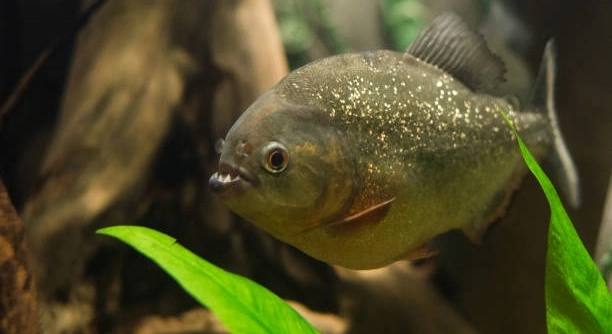
Piranhas are often seen as solitary predators, but they sometimes act as coordinated groups. These moments reveal surprising social behaviors that help them hunt more efficiently. Understanding these actions gives insight into their natural instincts and survival strategies.
Piranhas exhibit pack-hunting behavior during specific situations such as feeding frenzies or when targeting larger prey. These coordinated attacks increase hunting success, improve prey capture rates, and reflect a complex social dynamic beyond their usual solitary nature.
These examples highlight the piranhas’ ability to adapt and cooperate. Observing these moments helps clarify how these fish balance aggression with teamwork in the wild.
Coordinated Feeding Frenzies
Piranhas are best known for their feeding frenzies, moments when they gather in large groups to attack prey rapidly. During these times, their pack-hunting behavior becomes evident. The frenzy is not just chaotic biting but a coordinated effort that maximizes their chances of capturing food. Piranhas circle their prey, each taking quick bites in turn. This reduces the risk for individual fish while increasing overall efficiency. Such coordination helps them overwhelm larger animals or defend their territory against intruders. While their aggressive reputation is well-known, this group behavior shows a level of social interaction that is crucial for survival. It also allows piranhas to exploit food resources that would be impossible for a single fish to handle.
These feeding events can involve dozens or even hundreds of piranhas, making the collective action very effective. The frenzy usually lasts only a few minutes but can be intense and deadly.
The feeding frenzy also impacts the ecosystem by quickly removing injured or dead animals, preventing disease spread in the water. This pack-like hunting demonstrates how piranhas balance individual risk and group benefit. It reflects their ability to adapt hunting tactics based on available food and environmental conditions. Such behavior reveals complexity beyond their fierce reputation, highlighting teamwork in an unexpected context.
Coordinated Attacks on Larger Prey
Piranhas often target prey too big for one fish to handle alone. In these cases, they form groups and attack systematically. This allows them to weaken or kill prey efficiently. Coordination helps distribute the effort and risk among the group members.
Unlike random aggression, these attacks follow a pattern where each fish waits its turn to bite. This strategy conserves energy and avoids injury while ensuring the prey is subdued quickly. This method is more common in areas with abundant food competition.
When attacking larger prey, piranhas communicate through subtle body movements and positioning. These signals organize the group’s effort, allowing them to maintain focus and avoid chaotic clashes among themselves. It is an effective hunting method that improves survival chances in competitive environments.
Piranha Communication and Social Structure
Piranha groups use communication methods to coordinate during hunts. Visual signals, such as body posture and fin movements, alert others when to strike or hold back. These nonverbal cues help maintain order within the group, reducing conflicts and improving efficiency. In some cases, piranhas exhibit dominant-subordinate relationships, which influence hunting roles and access to food. This social structure promotes cooperation during pack hunting by establishing clear roles.
The ability to communicate and organize allows piranhas to take down prey larger than themselves and avoid unnecessary injuries. Their social dynamics are more complex than often assumed, showing that even aggressive species rely on teamwork for survival.
Understanding these behaviors broadens the perspective on piranhas, highlighting how cooperation can arise in unexpected ways within predatory species.
Defensive Group Behavior
Piranhas also use pack formation for protection. When threatened, they group tightly to appear larger and discourage predators. This defensive tactic helps reduce individual risk and increases chances of survival.
Piranhas’ ability to switch from hunting cooperation to defensive grouping reflects their adaptability. This flexibility allows them to respond quickly to changing conditions. Group defense strengthens their survival by leveraging numbers and coordinated movements.
Impact of Environment on Hunting Behavior
The environment greatly influences how piranhas hunt. In clear water with plentiful food, they may hunt individually or in small groups. In murkier or food-scarce waters, pack hunting becomes more frequent and necessary for success.
Environmental factors such as water temperature, oxygen levels, and prey availability shape their behavior. Seasonal changes can also affect group size and hunting strategies. During the dry season, limited food forces more cooperative hunting, while in the wet season, abundant resources reduce the need for packs.
These adaptations show piranhas’ flexible approach to survival. Their ability to modify hunting tactics based on surroundings demonstrates a complex balance between aggression and cooperation. This dynamic behavior allows them to thrive in various habitats despite challenges.
Studying these environmental effects provides insight into how piranhas interact with their ecosystem and how changes may influence their social behaviors in the future.
Cooperative Defense Against Predators
Piranhas use group behavior to defend against predators by forming tight schools. This makes them appear larger and more intimidating. Group defense lowers the chance of any one fish being singled out and attacked. This strategy improves survival rates.
By clustering together, piranhas confuse predators and reduce individual vulnerability. Their synchronized movements create a barrier that is hard to penetrate. This collective action discourages predators from attacking, as it increases the risk and effort required. The defensive school can quickly change direction and density, maintaining flexibility against threats.
This pack-like defense is a survival mechanism that benefits all members. It reflects their social instincts and the importance of group cohesion. This behavior is especially important in environments with many predators, where individual defense is ineffective.
Role of Scent and Chemical Signals
Piranhas use scent and chemical signals to communicate and coordinate during hunts and defensive actions. These signals alert others to danger or food sources. Chemical cues help maintain group cohesion even in murky water.
These signals are crucial during low visibility conditions. Scent markers can guide piranhas to prey or alert them to threats nearby. This enhances their ability to act as a group and respond quickly. Chemical communication also plays a role in social hierarchy, influencing which fish lead or take specific roles during hunts.
Chemical cues provide a reliable way for piranhas to maintain coordination without visual contact. This communication method supports their complex social interactions and increases the success of pack hunting strategies. It shows their reliance on multiple senses for survival in varied aquatic environments.
Hunting in Murky Waters
Piranhas rely on their senses to hunt when visibility is low. They use vibrations and water movement to locate prey. This allows them to work together even in dark or muddy environments.
Pack hunting in murky waters increases the chances of finding food. Groups can cover larger areas and respond quickly to disturbances. This cooperative behavior compensates for limited sight, helping piranhas adapt to challenging conditions.
Hierarchy in Hunting Groups
Piranha groups often establish a hierarchy that influences hunting roles. Dominant individuals may lead attacks or decide when to engage prey. Subordinates follow these leaders and benefit from shared food. This social order reduces conflict and improves coordination.
The hierarchy ensures that the group functions efficiently. Leaders take more risks, while others wait their turn. This system supports successful pack hunting by balancing individual interests with group needs.
Feeding on Different Prey Types
Piranhas adjust their pack-hunting tactics based on prey size and type. They show more coordination when hunting larger animals compared to small, scattered prey.
Energy Conservation in Packs
Hunting in groups helps piranhas save energy by sharing the effort during attacks.
FAQ
Why do piranhas hunt in packs sometimes?
Piranhas hunt in packs primarily to improve their chances of catching larger or more difficult prey. Hunting as a group allows them to coordinate attacks, reducing individual risk and increasing overall efficiency. This behavior also helps them compete better for food when resources are limited.
When piranhas face prey that a single fish cannot handle alone, such as larger animals, pack hunting becomes essential. By attacking together, they can subdue the prey faster and share the catch. This cooperative hunting also helps protect individual piranhas from injury by distributing the effort among many members.
How do piranhas communicate during pack hunting?
Piranhas use a combination of visual signals, body language, and chemical cues to communicate during pack hunting. Subtle movements of fins and body posture tell others when to attack or hold back. Chemical signals, or pheromones, help maintain group cohesion, especially in murky water where visibility is low.
These communication methods allow piranhas to coordinate their attacks smoothly without confusion or aggression among themselves. For example, a fish may signal readiness by moving closer or changing orientation. Chemical cues spread through the water inform nearby fish about food or danger, improving group response times.
Are piranhas always aggressive when hunting in packs?
While piranhas are known for their aggressive feeding behavior, their pack hunting is more strategic than mindless aggression. The group works together to quickly immobilize prey and minimize energy spent. Aggression is controlled to avoid injury within the group.
This behavior contrasts with the common perception of chaotic, random attacks. Pack hunting involves clear roles and timing. Piranhas take turns biting, allowing others to prepare for the next strike. This cooperation shows a level of social control not often recognized in these fish.
Do piranhas hunt in packs all the time?
Piranhas do not always hunt in packs. They often hunt alone or in small groups, especially when prey is small and easy to catch. Pack hunting tends to occur when the prey is larger or food is scarce, requiring cooperation to secure a meal.
Environmental factors also influence hunting style. In clear, food-rich waters, individual hunting is more common. In murkier or resource-limited areas, pack hunting becomes necessary. This flexibility helps piranhas survive in different conditions and maximize their chances of feeding.
How does pack hunting affect the piranha’s ecosystem?
Pack hunting by piranhas helps control prey populations and maintains balance in their ecosystem. By efficiently removing weak or injured animals, they prevent the spread of disease in aquatic environments. Their coordinated attacks can influence the behavior and movement of other species.
This hunting strategy also shapes the food web by creating pressure on prey species to adapt or avoid certain areas. The presence of pack-hunting piranhas can affect the distribution of smaller fish and other aquatic animals, indirectly supporting biodiversity through natural selection and population control.
What role does hierarchy play in piranha pack hunting?
Hierarchy within piranha groups helps organize hunting roles and reduce conflicts. Dominant individuals often lead attacks and decide when the group should engage prey. Subordinate fish follow the leader’s cues and wait their turn to feed.
This structure promotes cooperation by balancing access to food and minimizing fights within the group. Leaders may take more risks, while others benefit from shared hunting success. Hierarchy is essential for maintaining order and efficiency in pack hunting.
Can piranhas survive without pack hunting?
Yes, piranhas can survive without pack hunting. Many species hunt alone or in small groups most of the time. Pack hunting is a specialized behavior used in particular situations, such as when prey is large or food is scarce.
Individual hunting works well for capturing small, easy prey. The ability to switch between solitary and pack hunting increases their adaptability. This behavioral flexibility is a key factor in their survival across different habitats.
Do piranhas always share the food caught in a pack hunt?
Food sharing in pack hunts is generally equal but not always perfectly fair. Dominant individuals may eat first or get larger portions. Subordinates typically wait for their chance to feed.
Sharing food helps maintain group cohesion and supports the overall survival of the pack. The temporary imbalance in food access is balanced over time by repeated cooperation during future hunts. This system reduces competition and promotes teamwork.
How do environmental conditions influence pack hunting?
Environmental conditions such as water clarity, temperature, and prey availability affect how often piranhas hunt in packs. In clear waters with abundant prey, they may hunt alone more frequently. In murky or food-scarce environments, pack hunting becomes more common.
Seasonal changes also play a role. During dry seasons, when food is limited, piranhas rely more on group hunting to improve success. These adaptations show how piranhas adjust their behavior based on their surroundings to maximize survival chances.
Are all piranha species pack hunters?
Not all piranha species hunt in packs. Some species are more solitary or only form loose groups. Pack hunting is more common in species that live in competitive or resource-limited environments.
Species differences in behavior depend on habitat and prey availability. Pack hunting is one of several strategies piranhas use to survive, highlighting diversity within the group rather than uniform behavior.
Final Thoughts
Piranhas are often seen as aggressive and solitary hunters, but their behavior is more complex. At times, they act like pack hunters, working together to catch prey or defend themselves. This group behavior improves their chances of survival and makes them more efficient predators. Understanding these moments reveals how adaptable and social piranhas can be, which contrasts with their usual reputation.
The ability to hunt in packs shows a high level of coordination among piranhas. They communicate through body movements, chemical signals, and sometimes sounds to synchronize attacks or defense. This cooperation reduces risks and energy use while increasing the likelihood of success. Such behavior reflects their need to adjust to different environments and challenges, especially when food is scarce or prey is difficult to catch alone.
These moments of pack hunting provide insight into piranhas’ social dynamics and survival strategies. Recognizing this helps to see piranhas as more than just fierce predators. Their collective actions serve important roles in their ecosystems, such as controlling prey populations and maintaining balance. Overall, the study of piranhas acting as pack hunters adds depth to our understanding of these fish and the natural systems they inhabit.

Hello,
If you enjoy the content that we create, please consider saying a "Thank You!" by leaving a tip.
Every little bit helps us continue crafting quality advice that supports the health, happiness, and well-being of pets around the world, for pets of all shapes, sizes, and species.
We really appreciate the kindness and support that you show us!