
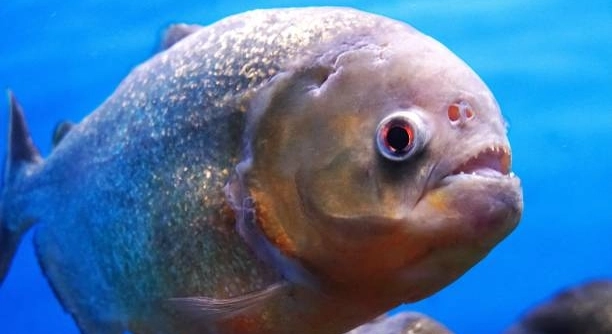
Rainfall brings notable changes to freshwater environments where piranhas live. These fish respond in various ways to shifting water conditions. Understanding their reactions helps reveal more about their behavior and survival in nature.
Piranhas react to rainfall by altering their activity levels, feeding patterns, and social interactions. Increased water flow and changes in temperature influence their movement and aggression, while rainfall can also impact their habitat and breeding behaviors.
Observing these responses offers insight into piranha ecology and the effects of natural weather patterns on aquatic life.
Changes in Activity Levels During Rainfall
Piranhas tend to become more active when rainfall increases. The added water volume raises oxygen levels, encouraging movement throughout their habitat. This boost in activity helps them search for food more efficiently. During heavy rains, piranhas often leave their usual hiding spots and swim in larger groups. This behavior is likely a response to changes in water currents and the influx of nutrients carried by the rain. The increased water flow also helps disperse young piranhas, reducing competition for resources. Activity shifts are an adaptive strategy that supports survival when environmental conditions fluctuate due to rainfall.
Rainfall can stimulate piranhas to move more frequently and cover larger areas, enhancing their ability to find food and interact socially.
As rainfall alters the water environment, piranhas adjust their activity to optimize feeding and protection. Swimming in groups during rain offers safety from predators and increases chances of catching prey. These changes also affect territorial behavior, with some piranhas becoming more aggressive to defend richer feeding areas. Overall, rainfall prompts piranhas to adapt their daily routines to maintain energy balance and reproduce successfully.
Impact of Rainfall on Feeding Patterns
Rainfall often changes the feeding habits of piranhas.
When rainwater floods rivers and streams, it brings organic material and small animals into the water. This increase in available food encourages piranhas to feed more aggressively. During rainfall, piranhas often take advantage of the rising water levels to hunt fish and insects displaced by the currents. Their feeding shifts from solitary to more collective behaviors, as large groups gather in nutrient-rich areas. This feeding surge supports growth and prepares them for breeding. The changing water clarity caused by rain can also affect their ability to see prey, so piranhas rely more on movement and vibrations to locate food. Overall, rainfall enhances their feeding opportunities while requiring behavioral adjustments to new conditions.
Social Behavior Adjustments
Rainfall influences how piranhas interact within their groups.
Increased water levels often lead to larger schools forming as piranhas move to safer, more resource-rich areas. This social gathering reduces individual risk of predation. Aggression levels may rise temporarily as fish compete for space, but overall schooling benefits survival during unstable conditions.
These changes help maintain group cohesion while optimizing access to food. Grouping also aids in protecting territory during the breeding season. Piranhas rely on these social shifts to adapt quickly to environmental changes caused by rainfall.
Effects on Breeding Activity
Rainfall often triggers breeding behaviors in piranhas, signaling a change in their reproductive cycle. Rising water levels create new areas suitable for nesting and egg laying. The increased water flow carries nutrients essential for developing young fish. These conditions also help disperse eggs over wider areas, reducing vulnerability to predators. Breeding activity peaks during and shortly after heavy rains. Environmental cues such as water temperature and current changes further influence mating readiness. This synchronization ensures offspring have the best chance for survival in dynamic habitats shaped by seasonal rainfall.
Changes in Water Temperature
Rainfall often causes a drop in water temperature. Cooler water affects piranhas’ metabolism, slowing down their activity temporarily. This change can influence feeding and movement patterns until temperatures stabilize.
Lower temperatures may also impact oxygen levels in the water, which piranhas must adapt to for survival.
Altered Habitat Structure
Heavy rainfall can reshape piranha habitats by increasing water flow and flooding surrounding areas. This leads to changes in shelter availability and breeding sites. Floodwaters can create new channels and remove debris, opening up more space for piranhas to explore and occupy.
Predation Risks During Rainfall
Rainfall may increase predation risks for piranhas. Rising water levels can bring larger predators into their territory, forcing piranhas to be more cautious and seek safer areas until conditions improve.
How does rainfall affect piranha feeding habits?
Rainfall increases water levels and often brings organic debris and small prey into the water. Piranhas respond by feeding more actively, taking advantage of the abundance. They shift from solitary feeding to hunting in groups around nutrient-rich flood zones. Changes in water clarity caused by rain may force them to rely more on detecting vibrations than sight.
Do piranhas become more aggressive during rainfall?
Yes, piranhas can show increased aggression during heavy rains. As water levels rise, piranhas compete for new territories and food resources in flooded areas. This competition leads to heightened aggression, especially in males defending breeding sites. However, aggression tends to balance out once the environment stabilizes.
Why do piranhas form larger groups during rainfall?
Larger groups provide safety from predators and improve feeding efficiency when water conditions change. Flooded areas encourage piranhas to school more closely to protect themselves and increase chances of catching prey in turbulent waters. Grouping also helps maintain social bonds disrupted by environmental shifts.
How does rainfall impact piranha breeding cycles?
Rainfall triggers breeding in many piranha species. Rising water creates ideal conditions for nesting and spreading eggs. The floodwaters supply nutrients necessary for young piranhas’ survival. Environmental cues like water temperature and flow changes prompt synchronized mating to ensure the best chance for offspring survival.
Can rainfall change piranha habitats?
Heavy rain and flooding reshape piranha habitats by creating new channels and expanding flooded zones. These changes alter shelter availability and influence where piranhas feed and breed. Floodwaters can remove debris and open new spaces, forcing piranhas to adjust their territory and behavior accordingly.
Does rainfall affect piranha metabolism?
Yes, rainfall often lowers water temperature, which slows down piranha metabolism. This results in reduced activity and feeding until temperatures rise again. The cooler water can also affect oxygen availability, requiring piranhas to adapt to maintain normal bodily functions during and after rainfall.
Are piranhas at higher risk of predation during rainfall?
Rainfall can increase predation risks because flooding allows larger predators to enter piranha territories. Piranhas must become more cautious and seek safer areas while water conditions are unstable. These risks encourage changes in movement and social behavior to reduce vulnerability until the environment becomes less turbulent.
How do piranhas detect prey in murky rain-affected water?
When water clarity decreases during rainfall, piranhas rely more on sensing vibrations and movement through their lateral line system. This allows them to detect nearby prey despite poor visibility. Their hunting becomes more dependent on sudden movements and water disturbances rather than sight alone.
Do piranhas change their feeding times during rain?
Yes, piranhas may adjust feeding times to align with periods of higher prey availability brought by rainfall. Increased water flow can displace prey during certain times of day, encouraging piranhas to feed when food is most accessible. These shifts help maximize energy intake during changing conditions.
How long do rainfall effects on piranhas last?
The effects of rainfall on piranha behavior and habitat can last from a few hours to several days, depending on the intensity and duration of the rain. Once water levels stabilize and temperature returns to normal, piranhas gradually revert to their usual patterns. Some changes, like breeding triggered by rain, may have longer-lasting impacts.
Rainfall plays a significant role in shaping the behavior and environment of piranhas. These fish are highly sensitive to changes in their aquatic habitat caused by rain. The increase in water levels, shifts in temperature, and changes in food availability all influence how piranhas act. Their ability to adapt to these changing conditions is essential for their survival. By adjusting their activity, feeding habits, social behavior, and breeding cycles, piranhas respond directly to rainfall in ways that support their needs and protect them from risks. This adaptability highlights the complex relationship between piranhas and their natural environment.
The way piranhas change during rainfall reflects the delicate balance of their ecosystem. When water rises, piranhas become more active and group together for safety and feeding advantages. Aggression may increase as they compete for resources, but this also helps secure territory during critical breeding times. Rainfall causes a drop in water temperature, which slows their metabolism temporarily. This shows how even small changes in weather conditions can impact their daily routines. Their reliance on sensing vibrations more than sight during murky rain-affected water is another example of their resilience. These natural responses ensure that piranhas remain effective hunters and breeders despite fluctuating conditions.
Understanding how rainfall affects piranhas is important for appreciating their role in freshwater habitats. Their reactions to rain demonstrate how environmental factors influence animal behavior and survival strategies. These fish are not simply aggressive predators; they are creatures finely tuned to their surroundings. Their ability to adjust quickly to rainfall helps maintain the balance of the ecosystem. Recognizing this helps us see piranhas as part of a larger natural system that depends on seasonal and weather patterns. Observing these changes encourages a deeper respect for how rainfall supports aquatic life and the ongoing processes that sustain biodiversity in freshwater environments.

Hello,
If you enjoy the content that we create, please consider saying a "Thank You!" by leaving a tip.
Every little bit helps us continue crafting quality advice that supports the health, happiness, and well-being of pets around the world, for pets of all shapes, sizes, and species.
We really appreciate the kindness and support that you show us!