
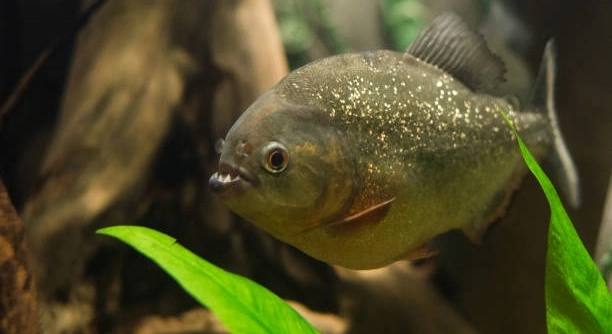
Caring for piranhas can feel challenging, especially if you want to create the best environment for them. Many owners are eager to learn simple ways to improve their fish’s well-being and behavior. Proper care helps keep these fascinating creatures healthy and active.
Successful piranha care depends on understanding their natural habitat, diet, tank conditions, and social behavior. Addressing these areas with evidence-based observations can lead to a healthier and more balanced aquatic environment for your fish.
Knowing key factors about piranhas’ needs will help you provide better care and avoid common mistakes that affect their health and happiness. This article highlights important observations that make a real difference.
Understanding Piranha Behavior
Piranhas are often seen as aggressive fish, but their behavior is more complex than that. They tend to be cautious and social when kept in proper groups. In small numbers, they may become stressed or act overly aggressive. Observing their body language can help you notice when they feel threatened or uncomfortable. For example, rapid darting or hiding often means the environment needs adjustment. Creating a tank setup that mimics their natural habitat, with plenty of hiding spots and moderate lighting, can reduce stress. Feeding habits also influence their behavior—regular, measured feeding can prevent sudden aggression. It’s important to remember that piranhas can bond to their environment and show calmer behavior when conditions are stable and predictable. Understanding their social needs is essential to avoid unnecessary stress and to promote healthier interactions within the tank.
Piranha behavior is shaped by group size, environment, and feeding patterns. Proper conditions encourage calm and natural social interaction.
Taking time to observe your piranhas helps identify signs of stress early. Adjusting tank size, adding plants, or changing feeding schedules can improve their mood and reduce aggression. Each tank will have unique dynamics, so patience and careful observation are key. A balanced environment supports healthier fish and a more enjoyable care experience.
Tank Conditions and Water Quality
Maintaining clean water is crucial for piranha health. Piranhas produce a lot of waste, which can quickly pollute the tank if not managed properly. Frequent water changes and a reliable filtration system are necessary to keep the water clear and balanced. Water temperature should stay between 75°F and 82°F (24°C to 28°C), mimicking their natural tropical habitat. pH levels around 6.5 to 7.5 are ideal. Monitoring ammonia, nitrite, and nitrate levels is essential because toxic buildups can lead to illness. Regular testing and adjustments keep the environment safe and stable for the fish. Overcrowding the tank stresses piranhas and affects water quality, so adequate space is important. Plants and decorations not only provide hiding places but can also help maintain better water conditions.
Proper filtration, temperature, and water testing create a healthy habitat that supports piranha well-being.
Keeping the tank clean prevents many common health problems. Aim for weekly water changes of 20-30%, and avoid overfeeding to reduce waste buildup. Using natural plants and rocks replicates their environment and helps the fish feel secure. A well-maintained tank results in happier, more vibrant piranhas, making care more rewarding overall.
Feeding Habits and Nutrition
Piranhas require a balanced diet to stay healthy and energetic. Their diet should include proteins and occasional plant matter to mimic what they eat in the wild.
Feeding piranhas too much or too little can cause health problems. Overfeeding leads to water pollution and obesity, while underfeeding weakens them and lowers their immune response. Providing fresh fish, shrimp, and occasional vegetables offers essential nutrients. Avoid feeding them exclusively live food, as it can increase the risk of disease. A varied diet ensures piranhas get enough vitamins and minerals. Feeding small amounts twice daily helps maintain clean water and keeps their appetite steady. Consistency in feeding times also reduces stress and aggressive behavior.
Monitoring how your piranhas eat and adjusting their portions helps prevent issues. Some piranhas may prefer certain foods, so experimenting with diet options can improve their overall health. Remember, a well-fed piranha is a calmer and more active fish.
Tank Mates and Social Needs
Not all fish can safely share a tank with piranhas. Choosing compatible species is important to prevent injury or stress.
Piranhas can coexist with other fish if they have enough space and hiding places. Suitable tank mates include larger, non-aggressive fish that won’t fit into a piranha’s mouth. Avoid small or slow-moving fish, as they may be seen as prey. Keeping piranhas in groups of at least five helps reduce aggression toward tank mates by spreading social tension. Proper tank size also prevents overcrowding, which can increase fights. Introducing new fish slowly allows piranhas to adjust and reduces stress for all. Social balance supports healthier interactions and a peaceful tank environment.
Tank Size Recommendations
A proper tank size is essential for piranhas to thrive. A minimum of 20 gallons per fish is recommended to allow enough swimming space and reduce aggression.
Crowding increases stress and can lead to illness or fighting. Bigger tanks also make water quality easier to maintain, supporting overall health and behavior.
Signs of Illness in Piranhas
Watch for changes in appetite, unusual swimming patterns, or visible spots and discoloration. These signs often indicate illness and require prompt attention to prevent worsening.
Regular observation helps catch problems early, making treatment more effective and improving your piranhas’ chances of recovery.
Importance of Regular Maintenance
Consistent tank cleaning and water testing are crucial. Neglecting these can cause buildup of toxins and poor water conditions, harming your fish.
Routine maintenance supports a stable environment that keeps piranhas healthy and stress-free.
Choosing the Right Lighting
Moderate lighting is best for piranhas. Too much light can stress them, while too little can affect their natural behaviors and plant growth.
FAQ
How often should I feed my piranhas?
Feeding piranhas twice a day with small portions is ideal. Overfeeding can pollute the tank and cause health issues, while underfeeding weakens them. Stick to consistent feeding times to help reduce stress and keep their appetite steady.
What is the best diet for piranhas?
Piranhas need a varied diet including protein-rich foods like fresh fish, shrimp, and insects. Adding some plant matter, such as blanched vegetables, provides extra nutrients. Avoid relying only on live food, as it may introduce diseases.
Can piranhas live with other fish?
Yes, but tank mates must be chosen carefully. Larger, non-aggressive fish that won’t fit in their mouths are safer. Avoid small or slow-moving fish since piranhas may see them as prey. Keeping piranhas in groups helps reduce aggression.
What size tank do piranhas need?
A minimum of 20 gallons per piranha is recommended. This gives enough swimming space and helps lower aggression. Larger tanks also make water quality easier to manage and provide room for hiding spots.
How often should I change the water?
Perform weekly water changes of about 20-30%. Frequent partial changes keep ammonia and nitrate levels low, improving water quality. This helps prevent stress and illness in your fish.
What water conditions do piranhas prefer?
Maintain a temperature between 75°F and 82°F (24°C to 28°C). pH should be around 6.5 to 7.5. Regularly test ammonia, nitrites, and nitrates to avoid toxic buildups. Stable water parameters are key for their health.
How can I tell if my piranha is sick?
Signs include loss of appetite, sluggish or erratic swimming, visible spots, or discoloration. Early detection is important for effective treatment. Keep a close eye on any sudden behavior changes.
What lighting is best for a piranha tank?
Moderate lighting is best. Too much light stresses the fish, while too little can affect their activity and plant growth. Provide shaded areas with decorations or plants to give your piranhas places to hide.
Do piranhas need decorations or plants in the tank?
Yes, decorations and live or artificial plants create hiding spots that reduce stress. These mimic their natural environment and encourage natural behaviors. Be sure to choose sturdy plants or decorations that won’t be easily uprooted.
Is it normal for piranhas to be aggressive?
Some aggression is natural, especially during feeding or if they feel crowded. Providing enough space and keeping them in groups helps reduce aggression. Avoid sudden movements around the tank to prevent startling them.
Can piranhas recognize their owners?
Piranhas may recognize regular feeding routines and become calmer when their keeper approaches. While they don’t bond like mammals, they can show signs of familiarity and reduce defensive behavior over time.
What should I do if my piranha bites?
Piranha bites can happen during feeding or if they feel threatened. Always use tools like feeding tongs to avoid hand feeding. Keep calm and avoid sudden movements. If bitten, clean the wound promptly and seek medical advice if necessary.
How long do piranhas live?
In good conditions, piranhas can live 10 to 15 years. Proper tank maintenance, diet, and care are essential to reaching their full lifespan. Longevity depends on environment and health management.
Is it necessary to quarantine new piranhas?
Quarantining new fish before adding them to the main tank helps prevent disease spread. It allows time to observe and treat any illnesses before mixing with existing fish, protecting the entire tank’s health.
How do I prevent piranhas from jumping out of the tank?
Piranhas can jump, especially when startled. Use a secure tank lid to prevent escapes. Keep the tank environment calm and avoid sudden movements or loud noises around the aquarium.
Proper care for piranhas requires attention to their unique needs, including diet, tank conditions, and social behavior. They are often misunderstood as simply aggressive fish, but with the right environment, they can live healthy and balanced lives. Ensuring clean water, appropriate tank size, and a varied diet plays a major role in their well-being. Piranhas need enough space to swim and hide, which reduces stress and helps them stay calm. Observing their behavior regularly can help catch any health or environmental issues early.
Water quality is one of the most important factors in piranha care. Because piranhas produce a lot of waste, tanks need frequent water changes and good filtration systems. Keeping the temperature and pH stable also supports their health. It is important not to overcrowd the tank, as this increases aggression and pollutes the water faster. Plants and decorations can help make the environment feel safer for piranhas by providing hiding places and reducing stress. A well-maintained tank keeps your fish active and reduces the chances of illness.
Feeding piranhas a balanced diet is also key. They require protein-rich foods like fresh fish and shrimp, but some plant matter can be included to offer extra nutrients. Overfeeding should be avoided to keep the water clean and prevent obesity. Feeding small amounts twice a day at consistent times helps maintain their health and behavior. Understanding their social needs by keeping them in groups of proper size can reduce fighting and create a more peaceful tank. Paying close attention to all these factors will help ensure your piranhas live long, healthy lives.

Hello,
If you enjoy the content that we create, please consider saying a "Thank You!" by leaving a tip.
Every little bit helps us continue crafting quality advice that supports the health, happiness, and well-being of pets around the world, for pets of all shapes, sizes, and species.
We really appreciate the kindness and support that you show us!