
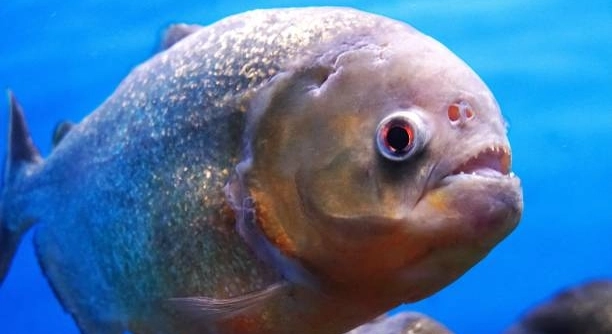
Piranhas are often known for their fierce reputation, but some species display unusual and surprising behaviors that set them apart. These quirks can range from social habits to feeding patterns, revealing a more complex side to these aquatic creatures.
Seven distinct piranha species exhibit unique behavioral traits that challenge common assumptions. These include cooperative hunting, complex social structures, and unusual feeding strategies. Understanding these behaviors provides insight into their ecological roles and adaptation mechanisms.
Exploring these behavioral quirks offers a new perspective on piranhas beyond their fearsome image. Their strange habits reveal how diverse and fascinating these fish truly are.
Cooperative Hunting Among Black Piranhas
Black piranhas are known for hunting in groups, a behavior that helps them capture larger prey more efficiently. When hunting together, they use coordinated attacks that confuse and overwhelm their targets. This teamwork increases their chances of success and allows them to take down fish much bigger than themselves. Group hunting also reduces the risk of injury for each individual fish, as the effort is shared. This behavior contrasts with the common view of piranhas as solitary and purely aggressive hunters.
Such cooperative hunting is not just about feeding. It also strengthens social bonds within the group, making the fish more cohesive and better at defending their territory.
This strategy is an adaptation that supports survival in environments where food can be scarce. By working together, black piranhas improve their efficiency, ensuring they get enough to eat and maintain their position in the aquatic ecosystem.
Red-Bellied Piranha’s Complex Social Structure
Red-bellied piranhas form tight social groups, usually staying close to their school members for safety and interaction.
Piranha Nest Guarding
Some piranha species show unusual care for their eggs by guarding nests aggressively. This behavior helps protect the offspring from predators and increases survival rates. Nest guarding is not common in many fish but is an important part of piranha reproduction.
Guarding piranha parents stay near the eggs and chase away threats. They sometimes fan the eggs to keep them clean and oxygenated, improving the chances of hatching. This dedication lasts until the young are capable of swimming away and avoiding danger.
This protective behavior shows a surprising level of parental investment. It contrasts with the typical image of piranhas as only fierce hunters, revealing more about their reproductive strategies and survival instincts.
Piranha Feeding Flexibility
Piranhas adapt their diet based on food availability, eating plants, insects, or small fish when necessary. This flexibility helps them survive in changing environments and avoids starvation during scarce periods.
Their teeth and jaws are designed for strong bites, allowing them to consume a wide variety of food types. They can switch between scavenging and hunting depending on the situation. This ability to alter feeding habits is crucial in unpredictable habitats where food sources may vary seasonally.
Feeding flexibility also influences piranha behavior and social interactions. When food is abundant, groups may be less aggressive, but competition rises during scarcity. Understanding this adaptability provides insight into their ecological resilience and complex feeding ecology.
Piranhas’ Use of Sound
Piranhas produce sounds to communicate, especially during threats or mating. These noises help coordinate group behavior and establish dominance. Sound signals reduce physical fights by warning rivals before aggression occurs.
The sounds vary between species, showing how important acoustic communication is for social interactions and survival in murky waters.
Feeding Frenzy Triggers
Piranhas sometimes enter feeding frenzies triggered by sudden movements or splashes in the water. This rapid response increases their hunting success but can also lead to chaotic behavior within the group.
Such frenzies last only briefly, as the fish quickly consume available food and then calm down.
Piranha Territorial Behavior
Piranhas defend their territory fiercely against intruders. This helps them secure food and breeding areas, reducing competition and ensuring safety for their groups. Territorial defense includes chasing away rivals and aggressive displays to warn others before engaging physically.
FAQ
What causes piranhas to hunt in groups?
Piranhas hunt in groups primarily to increase their chances of catching larger prey. When they work together, they can confuse and overpower fish much bigger than any single piranha could handle alone. This teamwork also reduces the risk of injury, as the effort and danger are shared among the group members.
How do piranhas communicate with each other?
Piranhas use sounds and body language to communicate. They produce noises, such as grunts or clicks, especially when threatened or during mating. These sounds help avoid unnecessary fights by signaling warnings or intentions. Body postures and movements also play a role in social interactions.
Why do some piranhas guard their nests?
Nest guarding helps protect eggs and young from predators. By staying close and fanning the eggs to keep them clean, piranha parents improve survival rates. This behavior is a form of parental care that is not common in many fish species but is important for their reproductive success.
Do all piranhas exhibit feeding frenzies?
Not all piranha species display feeding frenzies, but many do when triggered by sudden movements or disturbances in the water. These frenzies allow rapid feeding but are short-lived. The frenzy increases their hunting efficiency but can appear chaotic as many fish compete for food simultaneously.
How flexible is the piranha diet?
Piranhas are opportunistic feeders and adapt their diet depending on what is available. Besides meat, they can eat plants, insects, and scavenged material. This flexibility helps them survive in environments where food sources may change with the seasons or habitat conditions.
What role does territory play in piranha behavior?
Territorial behavior is common among piranhas to secure feeding and breeding areas. They aggressively defend their territory from intruders through displays and chasing. This reduces competition, ensuring access to resources and safety for their group members.
Are piranhas dangerous to humans?
Piranhas rarely attack humans unless provoked or when food is scarce. Most species are cautious and avoid large animals. While their bites can be painful, serious injuries are uncommon. Understanding their behavior reduces the risk of conflicts in their natural habitats.
How do piranhas impact their ecosystems?
Piranhas play a key role as both predators and scavengers. Their feeding habits help control fish populations and recycle nutrients by consuming dead or dying animals. Their presence influences the balance and health of freshwater ecosystems where they live.
Can piranhas live in captivity?
Many piranha species can survive in captivity if provided with suitable conditions, such as proper tank size, water quality, and diet. However, their social behavior and aggression must be managed carefully to prevent stress and injury among tank mates.
Why do piranhas produce different sounds?
Different sounds serve various purposes, from warning rivals to attracting mates. Acoustic signals help them communicate in murky waters where visibility is low. This variety improves social coordination and reduces physical confrontations.
The behaviors of piranhas reveal a complexity that goes beyond their common reputation as aggressive predators. Their strange quirks, such as cooperative hunting and nest guarding, show adaptability and social interaction that many people do not expect. These behaviors are important for their survival, helping them find food, protect their young, and maintain social groups. Understanding these traits provides a more complete picture of how piranhas live and thrive in their environments. It also helps correct common misunderstandings about their nature.
Many piranha species adapt their behaviors based on environmental conditions. Feeding flexibility allows them to survive when their usual food sources are scarce. Their use of sound for communication and territorial defense helps maintain group order and reduce conflict. These behaviors indicate that piranhas are not simply mindless hunters but creatures with complex strategies for coping with their habitats. Observing these details can change the way one views these fish, highlighting their ecological roles and importance in freshwater systems.
Recognizing the diversity in piranha behavior encourages a more respectful and informed approach to these fish. They contribute to the balance of their ecosystems and exhibit surprising levels of care and social interaction. Learning about their quirks can foster appreciation and reduce unwarranted fear. The behaviors discussed here remind us that animals often have much more to their lives than first impressions suggest. This understanding is valuable for both scientists and anyone interested in aquatic life.

Hello,
If you enjoy the content that we create, please consider saying a "Thank You!" by leaving a tip.
Every little bit helps us continue crafting quality advice that supports the health, happiness, and well-being of pets around the world, for pets of all shapes, sizes, and species.
We really appreciate the kindness and support that you show us!