
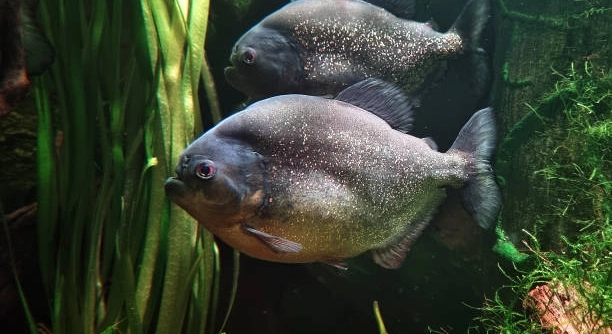
Do your piranhas seem more aware of their surroundings than you expected for a fish kept in a tank? Observing their behavior might reveal surprising patterns that hint at memory and recognition.
Piranhas in captivity can remember specific feeding times, recognize familiar faces, recall past threats, and adapt their behavior to routine tank maintenance. This capacity for memory helps them feel safer, navigate their environment, and reduce stress.
These behaviors are not just instinctive reactions—they are signs of how memory helps piranhas adapt to tank life and respond more calmly to daily routines.
Piranhas Remember Feeding Times
In captivity, piranhas often learn when food is coming. They become active and swim near the surface just before their regular feeding time. This is not random behavior—it’s a sign that they remember the routine. Some piranhas may even become more aggressive or excited if food is delayed, showing that they have formed expectations. Over time, this memory shapes how they react to people walking near the tank, especially if those people usually feed them. This behavior is useful for caregivers too. It means piranhas can adapt to a schedule, making feeding times easier and less stressful. They may also eat better when they expect food, since it triggers a more natural response. Watching for these signs can help ensure they are fed at times that suit their memory and habits. Even though they are small fish, their brains can handle this kind of simple time-based learning.
Piranhas can tell when it’s time to eat by linking people, lighting, or sounds to their feeding schedule.
Their memory doesn’t just apply to time. Some piranhas remember who feeds them and will come closer to familiar people. This might seem like a small thing, but it shows that their memory works in several ways. These responses can build over time, showing clear patterns.
Piranhas Recall Tank Changes
Piranhas react strongly to changes in their environment, especially if those changes caused stress or confusion before.
When something stressful happens in the tank—like sudden cleaning, a loud noise, or a fast-moving hand—piranhas tend to stay away from that part of the tank later on. This shows they remember where the disruption occurred. It’s helpful for keepers to know this because repeated stress in the same spot may cause long-term fear or tension in the fish. Giving them time and space to adjust can help them feel safer again. Over time, piranhas can even recognize patterns like when water changes happen or when lights go on and off. They may become more cautious right before these events. If you use tools like nets or scrapers often, your fish might start avoiding those areas even before you touch the water. These patterns show that memory plays a strong role in how they interact with their tank environment. The more consistent you are, the calmer they tend to be.
Piranhas Recognize Familiar Faces
Piranhas can tell the difference between people they see often and those they don’t. They may swim closer to familiar faces or remain still when someone they recognize approaches the tank.
This kind of recognition is built over time. If you are the one feeding or cleaning their tank regularly, they will begin to associate your face and presence with those activities. They may not swim away when you approach or may even come to the front of the tank. This does not mean they feel affection, but they know you are not a threat. If someone new comes near, piranhas may act more cautious or retreat to their hiding spots. This difference in behavior suggests they remember details about humans around them. It also helps with tank care, as familiar handling can reduce stress and make tasks like cleaning and feeding less disruptive for the fish.
These reactions tend to be consistent. Piranhas don’t just respond to feeding or routine—they actually remember who is part of that routine. This ability to recognize people helps build trust over time. They become more predictable and easier to manage, especially during regular care. Simple changes like staying calm and consistent can make a big difference.
Piranhas Learn Tank Patterns
Piranhas notice regular changes in their environment and form habits based on them. Things like when the lights go on or off, when the water gets changed, or when someone walks by at certain times—all these are remembered.
When patterns are repeated, piranhas adjust their behavior to match. For example, if the lights are turned on at the same time every morning, they will start swimming out of hiding just before that. If you change the water every Sunday, they may hide more on that day, expecting the disruption. Over time, this pattern recognition leads to a sense of routine, which helps reduce their stress. But if the patterns suddenly change, it can unsettle them. Being aware of this and keeping a steady routine helps them stay calm and act more naturally. A stable tank schedule allows the fish to predict what’s next, which makes their environment feel safer and easier to live in.
Piranhas React to Past Threats
If something scared them before, piranhas often avoid the same spot or object later. This shows they remember bad experiences.
They can link certain tools, sounds, or movements with stress. Even if nothing happens the next time, they may still stay away or hide.
Piranhas Adjust to Handling
Piranhas don’t enjoy being handled, but they can learn what to expect. If you move slowly and follow the same steps every time, they start reacting less. Fast or rough handling leaves a stronger impression, which can cause them to panic during future care. Repetition helps them stay calm, especially with gentle and routine actions. Their memory works best with habits, not surprises. When the tank is cleaned in the same way each time, they know what’s coming. Predictability makes everything easier, for you and the fish.
Piranhas Remember Territory
Piranhas pick favorite spots in the tank and return to them often. These areas feel safe, and they may defend them if disturbed.
FAQ
Do piranhas remember who feeds them?
Yes, piranhas can recognize the person who feeds them regularly. Over time, they connect your presence with food and may swim toward the front of the tank when they see you. If someone else approaches, especially someone they don’t see often, they may hide or act more cautiously. This is not affection, but it shows memory and routine recognition. The more consistent your actions are during feeding, the stronger this association becomes. This makes feeding easier and reduces stress for the fish. Recognizing people is part of how they adapt to captivity.
Can piranhas remember where they were scared before?
Piranhas are good at remembering stressful spots or events in their tank. If a net was used in a certain corner or a loud noise startled them near a specific object, they might avoid those areas afterward. Even if the stressor doesn’t return, the memory stays for a while. This helps them protect themselves from what they think is a threat. Over time, if the area becomes calm again, they may go back, but the memory of the threat can still shape how they behave in certain parts of the tank.
Do piranhas have long-term memory?
Piranhas don’t have complex long-term memory like humans, but they do hold onto certain memories for a surprising amount of time. They can remember routines, threats, and people over weeks or longer. The memory may fade if the experience is not repeated, but if it’s tied to strong emotions like fear or feeding, it tends to stick around longer. This helps them adapt to their tank life and predict what might happen next. Their memory makes it easier for them to manage stress and respond more calmly when they know what to expect.
Why do piranhas act differently around certain people?
This usually means they remember how each person behaves. If one person feeds them calmly and regularly, they’ll act more relaxed around that person. If another person moves quickly or taps the glass, they may hide or become stressed when that person appears. These behavior changes are tied to memory and routine. Piranhas are sensitive to patterns, and they form associations based on past experience. Changing your movements and actions can improve how they react to you over time. Calm behavior helps create a more relaxed response from them.
How do piranhas react to sudden changes in their tank?
Sudden changes—like loud noises, moving decorations, or water changes—can stress piranhas. If those events repeat, they may start to predict them and react early by hiding or becoming still. This shows memory in action. When changes happen in a consistent and calm way, piranhas adapt better. Sudden and random changes can make them nervous for longer periods. Creating a routine, even for things like water changes or cleaning, helps reduce how much those changes affect them. Over time, they learn what’s coming and show fewer signs of stress.
Can piranhas learn from each other in captivity?
Yes, they can. If one piranha reacts to something—like swimming toward food or darting away from a net—others often copy that behavior. This is not memory in the same way as personal recall, but it is social learning. They observe and respond based on what others do. This can help them learn about feeding times or avoid certain parts of the tank if others seem afraid. It’s part of how they stay safe in groups. This shared behavior can shape their overall routine and responses in the tank.
How can I help my piranhas feel safer in their tank?
Consistency is key. Feed them at the same time, keep the lighting and noise levels steady, and avoid sudden movements. Use the same tools and steps during cleaning. Over time, they’ll learn what to expect. That memory reduces fear and keeps their behavior calm. If you move or change things around the tank, give them time to adjust. Watch how they respond and avoid repeating things that stress them out. Safe spots like plants or caves also help, especially when they can return to the same space they trust.
Final Thoughts
Piranhas are often seen as simple or aggressive fish, but their behavior in captivity shows they are more aware than most people think. They can remember feeding times, recognize people, and respond to past events. These behaviors are not random—they are shaped by memory and routine. This makes piranhas more predictable and easier to care for when their needs are respected. Their ability to remember helps them feel more secure in a controlled environment. Just like many other animals, they respond well to consistency and calm surroundings. A stable routine lets them form clear expectations, which reduces stress and supports healthy behavior.
Living in a tank, piranhas are not exposed to the same conditions as they would be in the wild, but their natural instincts remain strong. They use memory to protect themselves, even if there’s no real danger. For example, if a loud noise once scared them, they may still react to that spot or sound again. This is a simple kind of learning, but it plays a big role in how they behave each day. Remembering where to hide, who feeds them, and what times food appears gives them some control in an otherwise limited space. It also helps you, the keeper, to better meet their needs. When you notice these patterns and respect them, you make the environment more balanced and less stressful for the fish.
Understanding piranhas’ memory and behavior isn’t just interesting—it helps improve their quality of life. You don’t have to train them or change their nature, but recognizing how memory works for them makes daily care more thoughtful. Small changes, like feeding them at the same time, handling them gently, and keeping the tank layout familiar, can make a big difference. Over time, your piranhas will become more comfortable, and their behavior will become more stable. These fish may not show emotion the way mammals do, but they still respond to their surroundings in smart and meaningful ways. Their memories may be simple, but they are real—and they matter. When you treat them with care and consistency, they show it in the way they behave. That’s something worth paying attention to.

Hello,
If you enjoy the content that we create, please consider saying a "Thank You!" by leaving a tip.
Every little bit helps us continue crafting quality advice that supports the health, happiness, and well-being of pets around the world, for pets of all shapes, sizes, and species.
We really appreciate the kindness and support that you show us!