
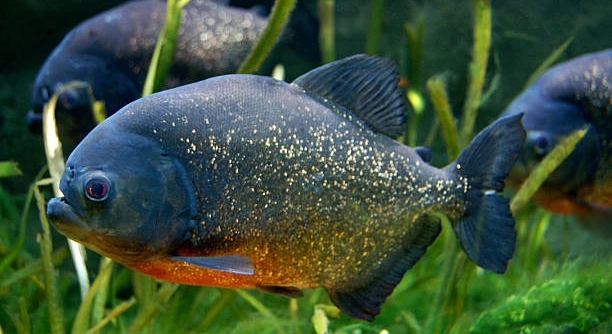
Piranhas are often seen as fierce and solitary fish, but they actually display interesting social behaviors. These moments show a side of piranhas that many people do not expect or understand. Learning about these behaviors helps us see them differently.
Piranhas exhibit various social behaviors, including group hunting, communication through body language, and protective schooling. These interactions suggest a level of cooperation and social structure that contradicts their usual reputation as aggressive, lone predators.
These moments reveal piranhas’ surprising complexity and encourage a closer look at how they interact in their natural environment. Understanding this can change how we think about these fish.
Group Hunting Strategies
Piranhas often hunt together in groups, which helps them catch larger prey more efficiently. When food is scarce, this cooperation increases their chances of survival. Each fish plays a role in the attack, circling and biting at the target. This coordinated behavior is more than random aggression; it shows communication and planning. Researchers have observed piranhas working as a team, waiting for the right moment to strike. The group dynamic allows them to take down prey that would be impossible for a single piranha. This hunting style also reduces the risk of injury for each fish. It’s a clear example of how social behavior benefits the entire group, rather than just one individual. These hunting tactics reflect a complex system of interaction within the species, emphasizing their adaptability and intelligence in the wild.
Group hunting helps piranhas maximize their food intake while minimizing individual risk during attacks on prey.
Piranhas’ group hunting is a balance of aggression and teamwork. They use visual signals and body movements to coordinate their attacks. When a prey animal is spotted, one or more piranhas will circle it, causing confusion. This creates openings for others to strike quickly and efficiently. The social structure during hunts often depends on the size and strength of the piranhas involved, with larger fish taking the lead. This behavior challenges the idea that piranhas are only chaotic and aggressive; instead, it shows a level of organization and cooperation that helps the entire group thrive.
Protective Schooling Behavior
Piranhas swim in schools for protection from predators and environmental dangers.
Schooling reduces the chance of any one fish being singled out by a predator, increasing overall safety. When threatened, the group tightens, making it harder for enemies to attack an individual. This defensive behavior is common among many fish species but is particularly important for piranhas due to their smaller size compared to some predators. Schools also help piranhas find food and navigate through their habitat more effectively. Swimming close together allows them to communicate and react quickly to changes. This social behavior improves survival rates and helps maintain the population. Through schooling, piranhas demonstrate how collective movement and cooperation are essential for their well-being in the wild. It’s another way their social instincts come into play beyond just feeding.
Communication Through Body Language
Piranhas use body language to communicate with each other. Movements such as fin displays and changes in swimming speed send important signals within the group.
These signals help coordinate hunting, warn of danger, or establish social order. For example, a sudden flare of fins can signal aggression or a need to defend territory. Meanwhile, slower, synchronized swimming might indicate calm or group cohesion. This non-verbal communication is essential for maintaining balance in the group, preventing unnecessary fights, and improving cooperation.
Understanding these signals shows how piranhas are more social than often assumed. Their ability to “talk” without sounds highlights their intelligence and the importance of visual cues in aquatic life. It’s fascinating how much can be said just by movement in their underwater world.
Care for Their Young
Piranhas show some level of care for their offspring after eggs are laid.
Adult piranhas protect their nests from predators and debris. They stay close to ensure the eggs are safe until hatching. This parental care increases the survival rate of their young. Some species even fan water over the eggs to keep them clean and oxygenated. Though not all piranhas show the same level of care, this behavior is a clear example of social responsibility. It demonstrates that piranhas are not just aggressive fish but also have nurturing instincts important for their species’ continuation. This aspect of their life adds depth to our understanding of their social habits and shows they can cooperate beyond hunting and schooling.
Territory Defense
Piranhas actively defend their territory from intruders. They use aggressive displays to warn others away without immediate violence.
This behavior helps reduce fights and maintain order within their environment. Defending a territory ensures access to food and safe breeding areas.
Feeding Hierarchy
Within groups, piranhas often follow a feeding hierarchy. Dominant individuals eat first, while smaller or weaker fish wait their turn.
This social order reduces conflicts during feeding and promotes group stability. It also reflects the balance of power that guides many of their interactions.
Resting Together
Piranhas often rest in groups during inactive periods.
Resting close helps them stay alert to danger and conserve energy while maintaining social bonds. This behavior supports their survival by combining safety with rest.
FAQ
Do piranhas really attack in groups?
Yes, piranhas often hunt in groups, especially when targeting larger prey. Group hunting increases their efficiency and safety. By working together, they can overwhelm prey faster than a single fish could. This social hunting also reduces the chance of injury for individual piranhas, making it a practical strategy in the wild.
How do piranhas communicate with each other?
Piranhas use body language such as fin movements and swimming patterns to communicate. These signals help coordinate actions like hunting or defending territory. For example, raising fins or sudden changes in movement can indicate aggression or a warning. This non-verbal communication is crucial for maintaining order within their groups.
Do piranhas care for their young?
Some piranha species show parental care by guarding their nests. Adults protect eggs from predators and keep the area clean. This behavior helps improve the survival chances of their offspring, showing that piranhas are not only aggressive but also nurturing in some cases.
Why do piranhas swim in schools?
Schooling offers safety in numbers. By swimming close together, piranhas reduce the chance of any single fish being attacked by predators. Schools also help with locating food and reacting quickly to threats, improving the group’s overall survival.
Is there a social hierarchy among piranhas?
Yes, there is a feeding hierarchy where dominant piranhas eat first. This order helps reduce fights and keeps the group stable. Dominance is often determined by size and strength, and this social structure plays a role in many of their interactions.
How do piranhas defend their territory?
Piranhas use aggressive displays like fin flaring and chasing to warn off intruders. This behavior helps avoid unnecessary fights by signaling strength and ownership. Defending territory is important for securing food resources and breeding spaces.
Are piranhas always aggressive?
While piranhas have a fierce reputation, they are not always aggressive. Much of their behavior involves cooperation and social interaction. Aggression usually appears when food or territory is involved, but outside those situations, they often coexist peacefully within their groups.
What role does body language play in piranha social behavior?
Body language is key for communication among piranhas. Movements signal intentions such as aggression, submission, or coordination. Since they do not use vocal sounds, visual cues help maintain social balance and prevent conflicts.
How do piranhas react to threats?
When threatened, piranhas tighten their schools to protect individuals. They may display aggressive postures or swim quickly to confuse predators. This combination of defense strategies helps them survive in dangerous environments.
Can piranhas recognize each other?
Some studies suggest that piranhas can distinguish between familiar and unfamiliar individuals, which helps reduce fights within established groups. This recognition supports cooperation during hunting and schooling.
Piranhas are often misunderstood as only aggressive and dangerous fish. However, their social behavior shows a different side. They work together in groups to hunt, communicate with body signals, and even protect their young. These behaviors reveal that piranhas have a more complex way of living than many people realize. Seeing them only as fierce predators misses the full picture of how they survive and interact in their environment.
Their ability to cooperate through hunting and schooling helps piranhas stay safe and find food more effectively. Group hunting lets them take down larger prey, while swimming in schools reduces the risk of attack from predators. Piranhas also use body language to send important messages within their groups. These signals help avoid unnecessary fights and keep order among them. In some cases, piranhas care for their offspring by guarding nests, which is an important part of their social life.
Understanding these moments of social behavior encourages a better appreciation for piranhas beyond the common stereotypes. They are not just mindless attackers, but fish with instincts that help them live and thrive together. Recognizing their cooperation and protective behaviors shows how nature has shaped them to work as a team. This knowledge can change how we view piranhas and remind us that many animals have surprising social lives worth learning about.

Hello,
If you enjoy the content that we create, please consider saying a "Thank You!" by leaving a tip.
Every little bit helps us continue crafting quality advice that supports the health, happiness, and well-being of pets around the world, for pets of all shapes, sizes, and species.
We really appreciate the kindness and support that you show us!