
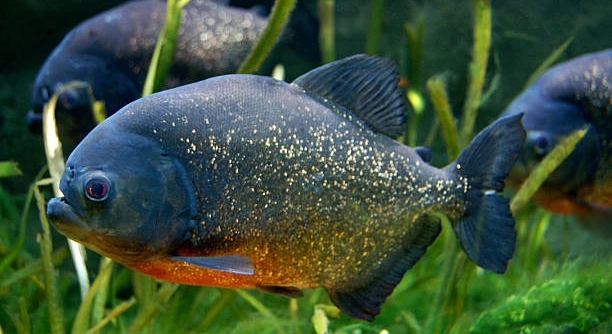
Piranhas are well-known fish often found in rivers and lakes. These creatures tend to prefer darker, murkier waters over clear ones. Understanding why they choose such environments helps explain their behavior and survival strategies.
Piranhas prefer murky waters primarily because these conditions offer better protection from predators and aid in hunting. The reduced visibility allows them to ambush prey effectively while minimizing their exposure. Additionally, murky waters provide a stable habitat with abundant food sources.
Exploring the reasons behind this preference reveals important aspects of piranha ecology. The following sections will explain how murky environments influence their feeding, safety, and overall lifestyle.
Protection from Predators in Murky Waters
Murky waters provide piranhas with a natural shield against predators. The low visibility reduces the chances of being spotted by larger fish or animals that hunt them. This environment allows piranhas to blend in easily with their surroundings, making it harder for threats to detect their presence. By staying in these waters, piranhas increase their chances of survival and avoid unnecessary confrontations. The sediment and particles floating in the water create a camouflage effect, which is crucial for their protection. Additionally, murky waters often have dense vegetation and submerged debris that offer extra hiding spots. This combination of visual obstruction and physical cover is essential in keeping piranhas safe from predators that rely on sight to hunt.
The murkiness effectively acts as a barrier, reducing the risk of being attacked and improving the piranhas’ ability to stay hidden.
Piranhas rely heavily on the cover provided by these darker waters. Their sharp senses compensate for the limited visibility, allowing them to detect movement and vibrations. This ability lets them avoid danger while still finding food. The murky environment supports a balance where piranhas can safely coexist with other species, maintaining their role as both predator and prey in the ecosystem.
Enhanced Hunting Efficiency
Murky waters help piranhas hunt more effectively by giving them the element of surprise. With reduced visibility, prey has less chance to notice the piranhas approaching. This advantage increases the success rate of their attacks. Piranhas use their strong jaws and sharp teeth to quickly immobilize prey once they strike.
The cloudy water allows piranhas to get closer without being seen, which is key to their feeding strategy.
In these conditions, piranhas rely on their keen senses to detect vibrations and chemical signals in the water. This ability compensates for poor eyesight and helps them target prey accurately. Murky water creates an ideal hunting environment by masking their movements and making prey less alert. The advantage gained through this natural cover allows piranhas to conserve energy by avoiding long chases. Instead, they focus on quick, powerful strikes. Their success in hunting directly impacts their survival and reproduction, which makes murky waters a vital part of their lifestyle.
Better Temperature Regulation
Murky waters often have more stable temperatures compared to clear waters. This helps piranhas maintain their body heat without sudden changes that could cause stress. The suspended particles in the water absorb and retain heat, creating a warmer environment in cooler seasons. This temperature consistency supports their metabolism and overall health.
The stable temperature in murky waters means piranhas expend less energy adjusting to fluctuations. They remain more active and efficient throughout the day. This steady environment also influences their reproductive cycles, encouraging breeding during optimal conditions. When water temperature is stable, young piranhas have a higher survival rate, contributing to the population’s growth. The murky water essentially acts as a natural climate buffer, making it easier for these fish to thrive year-round without facing extreme changes in their habitat.
By choosing murky habitats, piranhas benefit from a more comfortable environment that supports both their daily activity and long-term survival.
Increased Food Availability
Murky waters contain a high amount of organic matter and small organisms that serve as food for piranhas. The sediments provide nutrients that support various aquatic life forms, such as insects and smaller fish, which make up part of the piranhas’ diet. This abundance makes these waters ideal feeding grounds.
The presence of decaying plants and animals enriches the water, attracting numerous prey species. Piranhas can find food easily without having to travel far or compete heavily with others. This concentration of food helps them grow and stay healthy.
Because murky waters offer plentiful food resources, piranhas can maintain their energy levels and reproduce effectively. These conditions reduce stress caused by scarcity, allowing them to focus on hunting and feeding efficiently. The rich environment also supports a complex food web, ensuring that piranhas have consistent access to a variety of prey. This natural abundance is crucial for their survival, making murky waters a preferred habitat choice.
Reduced Competition
Murky waters tend to have fewer species competing for the same resources. This gives piranhas an advantage in securing food and territory. The environment favors species adapted to low visibility, limiting the number of potential competitors.
With less competition, piranhas can establish dominance more easily. They face fewer challenges over hunting grounds and breeding sites, which supports their population growth and survival.
Improved Breeding Conditions
Murky waters provide safe areas with plenty of hiding spots for piranha nests. The reduced visibility protects eggs and young fish from predators, increasing their survival chances during early development stages.
Natural Camouflage
The cloudy water helps piranhas blend into their surroundings. Their body colors and movements are less visible to both prey and predators, making murky waters an ideal place to stay unnoticed and safe.
Why do piranhas avoid clear water?
Piranhas avoid clear water because it exposes them to predators and makes hunting more difficult. In clear water, their movements are easily seen, which reduces their chances of ambushing prey. The lack of cover also leaves them vulnerable to larger fish and animals that hunt by sight.
How does murky water help piranhas catch prey?
Murky water limits the prey’s ability to detect piranhas approaching. This gives piranhas a surprise advantage during hunting. They use quick strikes to capture prey before it has time to react. Their sharp teeth and strong jaws complete the attack once they get close enough.
Are murky waters healthier for piranhas?
In many cases, yes. Murky waters provide stable temperatures and abundant food sources, creating an environment that supports piranha health. However, excessive pollution can harm them, so the quality of murky water is important.
Do all piranhas prefer murky water?
Most piranha species favor murky environments, but some can adapt to clearer waters if food and shelter are available. Still, murkier habitats are generally safer and better suited to their survival needs.
How does murky water affect piranha breeding?
The murkiness helps protect piranha eggs and young from predators. It offers camouflage and physical hiding places like vegetation and debris. This increases the chances of offspring surviving to adulthood.
Can murky water harm piranhas?
If the water becomes too polluted or oxygen levels drop, murky conditions can harm piranhas. Natural murkiness with healthy nutrient levels is beneficial, but human-caused pollution or toxins can negatively affect their health.
Do piranhas use senses other than sight in murky water?
Yes, they rely heavily on senses like smell and detecting water vibrations. These help them locate prey and navigate when visibility is poor. Their sensory adaptations compensate for limited sight in murky environments.
What role does murky water play in piranha social behavior?
Murky water reduces visibility between individuals, which can affect social interactions. Piranhas use chemical signals and movements to communicate. The environment encourages group hunting and coordinated attacks despite low visibility.
Is murky water linked to piranha aggression?
Murky water itself doesn’t cause aggression but creates conditions where piranhas feel secure and territorial. This sense of safety can lead to aggressive defense of food or space, which is a natural behavior for their survival.
How do changes in water clarity impact piranhas?
Sudden changes in water clarity can stress piranhas. Clearer water may increase predation risk and reduce hunting success, while overly muddy water might lower oxygen levels. Gradual changes allow them to adapt better than rapid shifts.
Do piranhas benefit from murky water year-round?
Generally, yes. Murky waters provide consistent protection and food supply throughout the year. Seasonal variations may affect some factors, but overall, these conditions support piranha survival in different climates.
How do human activities affect piranha habitats?
Pollution, deforestation, and dam construction can alter water clarity and quality. These changes can disrupt piranha habitats by either increasing harmful sediments or clearing out vegetation that provides shelter and breeding grounds.
Can piranhas survive in aquariums with clear water?
They can survive but may experience stress without murky conditions. Aquariums often simulate murky environments using decorations and lighting to help piranhas feel secure and display natural behaviors.
Why is murky water important for juvenile piranhas?
Young piranhas are vulnerable to predators. Murky water offers them better protection during this critical growth phase. It helps them hide and reduces the chance of being eaten before reaching maturity.
How do murky waters influence piranha diet?
The nutrient-rich environment supports a wide variety of prey species. Piranhas benefit from this food diversity, which helps maintain their health and energy levels. Murky waters often sustain complex food chains that favor piranha feeding habits.
The preference of piranhas for murky waters is shaped by several important factors that support their survival and well-being. These environments provide stability in temperature, abundant food sources, and natural protection from predators. Murky waters help piranhas hunt more efficiently by offering cover that conceals their movements. This allows them to approach prey without being noticed. Additionally, the suspended particles and organic matter in these waters create a rich habitat that supports the entire food chain piranhas rely on. Understanding these reasons helps clarify why piranhas choose these environments over clearer waters.
Beyond feeding advantages, murky waters offer safer conditions for piranha reproduction. The limited visibility in such waters protects eggs and young fish from predators, increasing their chances of survival. This aspect is vital for maintaining healthy populations. Stable water temperatures in murky habitats also reduce stress and energy use, allowing piranhas to focus on growth and breeding. Furthermore, murky environments reduce competition by favoring species that can adapt to low visibility, giving piranhas a better chance to thrive. These combined benefits explain the strong connection between piranhas and their preferred habitats.
Overall, murky waters create a balanced setting where piranhas can meet their biological needs effectively. This preference is not simply about hiding but about the many practical benefits that such environments provide. While murky waters might seem less appealing to humans, they serve as an ideal ecosystem for piranhas. Recognizing the importance of these habitats also highlights the need to protect them from pollution and human disruption. Maintaining healthy murky water environments is essential for preserving piranha populations and the broader aquatic ecosystems they inhabit.

Hello,
If you enjoy the content that we create, please consider saying a "Thank You!" by leaving a tip.
Every little bit helps us continue crafting quality advice that supports the health, happiness, and well-being of pets around the world, for pets of all shapes, sizes, and species.
We really appreciate the kindness and support that you show us!