
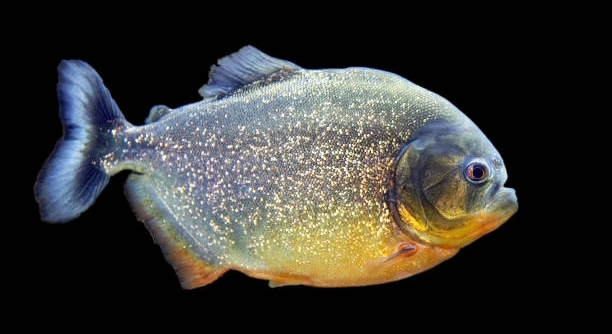
Swimming behavior often changes after feeding. These changes can affect how fish move, breathe, and interact with their environment. Understanding these shifts helps in caring for aquatic animals and maintaining a healthy tank or natural habitat.
Feeding impacts swimming by altering energy levels, buoyancy, and metabolism. After eating, fish often show slower movement, increased resting, and changes in breathing patterns. These adaptations support digestion and energy allocation while maintaining balance in the water.
Recognizing these shifts after feeding provides valuable insight into fish health and behavior, promoting better care and a more balanced aquatic environment.
Changes in Energy Levels After Feeding
After feeding, fish typically show a decrease in energy. Their swimming slows down as the body focuses on digesting food. This period of reduced activity helps the digestive system work efficiently without expending too much energy on movement. Fish may also seek quieter or sheltered areas to rest while digesting. This resting phase can last from minutes to several hours, depending on the species and meal size. Observing this behavior is useful for aquarium keepers or those studying fish in natural habitats. Recognizing the natural slowdown can prevent misinterpretation of lethargy as illness. Additionally, energy shifts impact how fish interact with others, often resulting in less territorial behavior or aggression after eating. These subtle changes contribute to overall health and survival by balancing activity and rest.
The reduction in energy after feeding is a normal and necessary part of fish physiology. It supports digestion and helps prevent unnecessary strain on the body.
Recognizing this pattern ensures better timing for activities such as cleaning tanks or introducing new fish. It also allows caretakers to adjust feeding schedules to support natural rest periods and maintain fish well-being.
Buoyancy Adjustments Post-Feeding
Fish often adjust their buoyancy after eating to maintain balance in the water column. This adjustment is needed because the added weight of food changes their body density. Fish use their swim bladder to control buoyancy, inflating or deflating it to stay stable. This process can cause some fish to float higher or sink lower temporarily. Buoyancy control is crucial for efficient swimming and avoiding unnecessary energy use. When buoyancy is off, fish may appear to wobble or struggle to maintain position. Over time, as digestion progresses and food is processed, buoyancy returns to normal. In aquariums, noticing buoyancy changes helps identify whether feeding amounts are appropriate and if the fish are healthy. Too much food can cause prolonged buoyancy problems, indicating the need for adjusted feeding practices. Proper buoyancy also supports normal breathing and reduces stress on internal organs.
Adjusting buoyancy after feeding is a natural and temporary response. It allows fish to adapt to changes in body weight efficiently.
Maintaining correct buoyancy improves swimming efficiency and overall fish health. Observing these changes can guide better care and prevent issues related to overfeeding or stress.
Changes in Breathing Rate After Feeding
Fish often show slower or more deliberate breathing right after eating. This helps support digestion and conserve energy.
The breathing rate changes because the body directs oxygen to support the digestive process. Blood flow increases in the gut, requiring more oxygen, while activity decreases. This shift helps fish process food efficiently without overexerting themselves. In some species, breathing may become slightly irregular during this time, reflecting the internal adjustments needed for digestion. Monitoring breathing patterns can be useful for assessing fish health, especially after feeding. Sudden or prolonged changes might indicate stress or digestive issues.
Slower breathing supports the energy balance required after meals. It also reduces the risk of fatigue by managing oxygen supply efficiently. Recognizing normal breathing changes helps distinguish natural responses from health problems in aquatic animals.
Changes in Social Behavior After Feeding
After feeding, fish often become less aggressive and less active socially. This behavior conserves energy and reduces stress.
This shift results from the energy demands of digestion. Fish prioritize internal processes over external interactions, such as defending territory or competing for space. During this period, fish may avoid confrontations and display calmer behavior. Reduced social activity can prevent injury and help maintain group stability. In aquariums or natural habitats, this phase is important for peaceful coexistence. Observing social behavior after feeding can indicate whether fish are comfortable and healthy. Sudden changes in interaction patterns could suggest environmental or dietary issues that need attention. Understanding this natural behavioral shift aids in managing fish populations effectively.
Lower social activity after feeding reflects a natural, temporary reprioritization of energy use. This behavior helps maintain health and balance within fish communities.
Reduced Swimming Speed
After eating, fish usually swim more slowly. This conserves energy for digestion.
Slower swimming also lowers the risk of injury or stress during this vulnerable time. The body focuses on processing food rather than activity, making calm movement essential.
Changes in Posture
Fish may change their posture after feeding, often floating more horizontally. This adjustment helps maintain balance while digestion occurs.
Postural changes support buoyancy control and reduce muscle strain. These subtle shifts indicate the body’s effort to stay stable during internal changes.
Increased Resting Periods
Fish tend to rest more after feeding. This rest supports the digestive process and energy conservation.
Resting also reduces exposure to predators and environmental stress. It allows fish to recover and maintain overall health after consuming food.
Temporary Appetite Reduction
Fish often eat less immediately after feeding. This pause allows digestion to complete before consuming more food.
This natural behavior prevents overfeeding and digestive problems. It also helps regulate energy use and maintain a healthy feeding schedule.
FAQ
Why do fish swim slower after feeding?
Fish slow down after eating to conserve energy for digestion. The body focuses on breaking down food, so less energy is spent on movement. This slower pace also reduces stress and helps maintain balance during this sensitive time.
How long does it take for fish to return to normal swimming after feeding?
The time varies by species and meal size but usually ranges from 30 minutes to a few hours. Smaller meals and fast-metabolizing fish recover faster, while larger meals require longer digestion and slower movement during that period.
Is it normal for fish to rest more after eating?
Yes, resting after feeding is common. Resting conserves energy and allows the digestive system to work efficiently. It also lowers exposure to threats during digestion when fish may be more vulnerable.
What causes changes in fish buoyancy after feeding?
Food intake increases body weight and alters density, requiring adjustments in the swim bladder. Fish inflate or deflate the swim bladder to maintain proper buoyancy and balance in the water column until digestion progresses.
Can feeding cause irregular breathing in fish?
Temporary changes in breathing rate are normal after feeding. Oxygen demands shift to support digestion, so breathing may slow or become uneven briefly. However, prolonged irregular breathing can indicate health problems and should be monitored.
Why do fish show less aggression after eating?
Energy is redirected from social behaviors to digestion. Reduced aggression helps conserve energy and lowers the risk of injury. Calm behavior also promotes group harmony, especially in crowded tanks or natural schools.
Should feeding frequency be adjusted based on swimming changes?
Yes, observing swimming behavior can guide feeding schedules. If fish show prolonged sluggishness or buoyancy issues, feeding less or smaller meals may improve health. Proper timing supports natural rest and activity cycles.
How can I tell if swimming changes after feeding are a health issue?
Natural changes include slower movement, buoyancy shifts, and resting. Signs of illness include constant lethargy, inability to maintain balance, erratic swimming, or difficulty breathing beyond typical post-feeding periods. Consulting a specialist may be necessary.
Does water temperature affect swimming changes after feeding?
Yes, temperature influences metabolism and digestion speed. Warmer water speeds digestion and recovery, while cooler water slows these processes, extending the duration of swimming changes after feeding.
What are signs of overfeeding related to swimming behavior?
Overfed fish may struggle with buoyancy, swim erratically, or remain lethargic longer. Excess food can cause digestive stress, impacting swimming and breathing. Adjusting portion sizes and feeding frequency helps prevent these issues.
Final Thoughts
Understanding how swimming changes after feeding is important for anyone caring for fish or studying their behavior. These changes are natural responses to the body’s need to focus on digestion and energy management. Slower swimming, adjustments in buoyancy, altered breathing, and reduced social activity all play a role in helping fish process their food efficiently. Recognizing these normal behaviors can prevent unnecessary concern and help maintain a healthy environment for aquatic animals.
Fish depend on balance between activity and rest to stay healthy. After eating, conserving energy by slowing down and resting allows their digestive system to work properly. This rest period reduces stress and supports overall well-being. Changes in posture and breathing also help fish maintain stability and meet oxygen needs during digestion. Understanding these processes helps caretakers provide better care by respecting the fish’s natural rhythms and needs.
Observing how fish behave after feeding offers valuable insights into their health. Sudden or prolonged changes that do not fit normal patterns may indicate problems such as overfeeding, illness, or environmental stress. Maintaining proper feeding routines and monitoring swimming behavior support fish health and reduce risks. Being aware of these factors ensures a balanced aquatic environment and contributes to the long-term welfare of fish.

Hello,
If you enjoy the content that we create, please consider saying a "Thank You!" by leaving a tip.
Every little bit helps us continue crafting quality advice that supports the health, happiness, and well-being of pets around the world, for pets of all shapes, sizes, and species.
We really appreciate the kindness and support that you show us!