
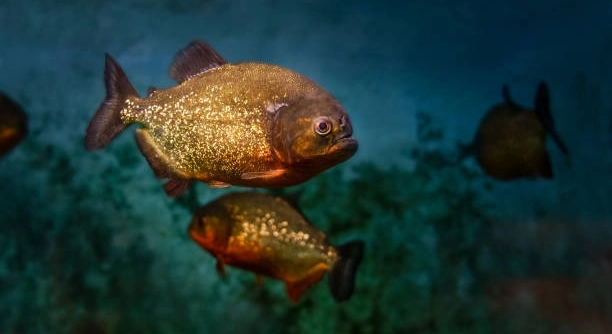
Piranhas use more than just their sharp teeth to communicate, especially around mates. These fish rely on subtle behaviors and signals to maintain relationships and avoid conflict within their groups. Understanding these silent cues reveals much about their social lives.
Piranhas employ various nonverbal signals such as body posture, fin movements, and color changes to communicate with mates. These signals help establish dominance, readiness to mate, and social bonds without aggressive confrontation. Such communication is essential for their survival and reproduction.
Recognizing these silent signals offers a clearer view of piranha behavior beyond their fierce reputation. This knowledge helps appreciate their complex social interactions in the wild.
Body Language and Fin Movements
Piranhas use their body language and fin movements as primary silent signals to communicate with mates. A raised dorsal fin often signals alertness or dominance, while a lowered fin can indicate submission. They may flare their gill covers slightly to show aggression or to warn others to keep their distance. Slow, deliberate swimming near a mate can indicate readiness to bond or court. These subtle movements help piranhas avoid unnecessary fights by clearly expressing their intentions. The positioning of their bodies during interactions also plays a key role. For example, swimming side by side might signal acceptance, while quick darting movements could mean agitation. Observing these signs reveals how piranhas manage social structure without loud or aggressive encounters. This silent communication is crucial since noisy signals might attract predators or cause chaos within their groups. Their reliance on these visual cues reflects a well-adapted system of interaction that balances caution with cooperation.
These body language cues provide important insights into piranha social behavior and mating readiness. They help maintain peace and order within groups.
Recognizing these movements can help aquarists and researchers interpret piranha moods and social status. Paying attention to fin positions and body postures allows better understanding of their relationships and mating patterns, making interactions more predictable and less stressful for the fish.
Color Changes as Communication
Color changes in piranhas are subtle but meaningful signals during mating periods.
Piranhas may display a slight shift in body coloration to communicate reproductive status or dominance. These changes are not drastic but enough to catch the attention of nearby mates or rivals. The intensity of red patches, particularly around the throat and belly, often increases during mating season, signaling readiness to reproduce. These shifts act as silent markers that reduce the need for physical confrontation. Color signals also indicate health and vitality, helping mates select strong partners. This visual cue system is especially important in murky waters, where visibility is limited. The gradual color transition serves as a non-threatening way to assert presence and intentions. Understanding these subtle color signals helps explain how piranhas interact without escalating conflicts unnecessarily, which benefits their survival and reproductive success.
In comparison to loud or aggressive signals, color changes provide an efficient, less risky communication method. These signals enhance social cohesion and facilitate mate selection through visual cues alone.
Subtle Vibrations and Movements
Piranhas often use subtle body vibrations to communicate with mates. These tiny movements can signal interest or caution without attracting attention.
These vibrations are produced by slight trembling or rapid body shaking, which sends signals through the water. This form of communication is particularly useful in environments where visibility is low. It allows piranhas to share information about their mood or intentions without aggressive displays. Vibrations can also warn mates of nearby threats or signal readiness to engage in courtship. This silent method minimizes conflict and helps maintain group harmony, especially during sensitive mating periods.
Vibrational signals work alongside other body movements to create a complex communication system. These subtle cues allow piranhas to interact smoothly and avoid misunderstandings that might lead to fights. They provide an additional layer of social control that benefits both individual fish and the group.
Eye Contact and Orientation
Eye contact plays an important role in piranha communication, often combined with body orientation. Direct eye contact may show dominance or challenge, while avoiding it can signal submission.
Orientation of the body relative to a mate also matters. Facing another piranha head-on can indicate readiness for confrontation or courtship, depending on context. Turning slightly away may be a non-threatening gesture. These visual cues help convey intentions clearly without physical aggression. Eye contact and positioning are quick ways to assess another’s mood and status. Piranhas rely on these cues to navigate complex social structures, especially during mating seasons when tensions can rise. Understanding these signals can clarify behaviors often mistaken for hostility but are actually routine communication. This system supports peaceful coexistence by providing clear, immediate feedback in interactions.
Mouth Movements and Jaw Positioning
Mouth movements are key silent signals among piranhas during mating. Slight opening or closing can indicate interest or caution.
Jaw positioning, such as tightening or slight gaping, may show dominance or submission. These subtle cues help avoid direct conflict between mates.
Tail Flicks as Signals
Tail flicks serve as quick messages in piranha communication. A sharp flick can warn a mate to keep distance or signal agitation.
Repeated gentle flicks may indicate calmness or invitation to approach. This behavior helps maintain social balance during interactions.
Chemical Signals in Water
Piranhas release chemical signals, called pheromones, into the water to communicate mating readiness. These invisible cues are crucial for attracting mates over distance. Pheromones can indicate health and fertility, allowing mates to select partners without direct contact. This method is especially important in murky water where visual signals are less effective. Chemical communication works alongside physical gestures to create a complete signaling system, ensuring successful reproduction while minimizing aggression.
Silent Communication’s Role in Survival
Silent communication methods help piranhas avoid unnecessary fights. This reduces injury risk and conserves energy for mating and feeding.
What are the main silent signals piranhas use around mates?
Piranhas rely on various silent signals such as body posture, fin movements, color changes, subtle vibrations, eye contact, mouth movements, tail flicks, and chemical signals. These nonverbal cues help them communicate mating readiness, establish dominance, and maintain social bonds without aggressive behavior. Silent signals reduce conflict and help the group stay balanced.
How do fin movements communicate piranha intentions?
Fin positions, especially the dorsal and pectoral fins, indicate mood and status. Raised fins usually signal alertness or dominance, while lowered fins show submission or calmness. Gentle fin fluttering can indicate courtship or friendliness. These movements allow piranhas to express themselves visually without risking physical fights.
Why are color changes important in piranha communication?
Color changes, especially red patches on the belly and throat, signal reproductive readiness and health. These shifts attract mates and warn rivals without aggression. The intensity of color often increases during mating season, acting as a subtle visual cue in murky water where visibility is limited.
What role do vibrations play in piranha interactions?
Piranhas produce tiny body vibrations or trembles to send messages through water. These vibrations signal interest, caution, or alert mates to danger. This method works well when visibility is poor and complements visual signals, keeping interactions smooth and reducing aggression.
How does eye contact affect piranha behavior?
Direct eye contact can show dominance or a challenge, while avoiding eye contact signals submission. The way a piranha orients its body toward another also influences communication—head-on facing may mean confrontation or courtship, while slight turning away reduces tension.
Are mouth movements significant in mating behavior?
Yes, subtle opening and closing of the mouth or jaw tightening express moods such as interest or dominance. These cues help mates assess each other’s intentions, avoiding fights during sensitive mating periods.
What do tail flicks communicate among piranhas?
Sharp tail flicks warn others to keep their distance or express irritation. Gentle, repeated flicks can signal calmness or invitation to approach. Tail flicking adds another layer of silent communication important for group harmony.
How do chemical signals work in piranha communication?
Piranhas release pheromones into the water to indicate reproductive status and health. These chemical signals attract mates and allow for partner selection even without direct contact. Pheromones are especially useful in murky water, supplementing visual and vibrational signals.
Why is silent communication important for piranha survival?
Silent signals help piranhas avoid physical fights that can cause injury and waste energy. Clear, non-aggressive communication maintains social order and allows more focus on feeding and reproduction, increasing chances of survival and successful mating.
Can understanding piranha signals improve aquarium care?
Yes, recognizing these signals can help aquarists reduce stress and aggression in captive piranhas. Observing fin positions, body language, and color changes allows better interpretation of fish mood and needs, leading to a healthier environment.
Do all piranha species use the same silent signals?
While most piranhas use similar communication methods, variations exist depending on species and environment. Some may rely more on color changes, others on vibrations. However, the general principles of nonverbal communication remain consistent across species.
How can one differentiate between aggressive and mating signals?
Aggressive signals often involve more intense fin displays, direct staring, and rapid movements. Mating signals are usually gentler, involving slower swimming, subtle fin fluttering, and enhanced coloration. Context and behavior patterns provide clues to distinguish these signals.
Are piranhas social fish despite their aggressive reputation?
Yes, piranhas are social animals that use silent communication to maintain group harmony. Their aggressive reputation comes from occasional feeding frenzies, but most of their interactions are controlled and peaceful thanks to these silent signals.
What happens if silent signals are ignored or misunderstood by piranhas?
Ignoring or misreading signals can lead to unnecessary aggression and fights. Silent communication reduces such risks by providing clear cues. Disruption in these signals, such as stress or overcrowding, may increase conflicts and harm the group dynamic.
Do environmental factors affect piranha communication?
Yes, murky water or noise pollution can limit the effectiveness of visual and vibrational signals. In these cases, chemical communication becomes more important. Environmental conditions shape how piranhas adapt their signaling for successful communication.
Can piranhas recognize individual mates through silent signals?
Research suggests that piranhas can distinguish familiar mates using a combination of signals including color patterns, body movements, and chemical cues. This recognition supports stable pair bonds and group cohesion during breeding.
The silent signals piranhas use around their mates reveal a complex and effective communication system. These fish rely on subtle cues such as body movements, fin positions, color changes, and vibrations to convey messages without aggression. Chemical signals also play a key role in letting mates know about reproductive readiness. This range of silent communication methods helps piranhas interact smoothly, maintain social balance, and avoid unnecessary fights. Understanding these behaviors gives insight into their natural interactions beyond the common perception of piranhas as solely aggressive fish.
These communication methods are essential for the survival and reproductive success of piranhas. By avoiding direct confrontations through nonverbal signals, they reduce the risk of injury and conserve energy. This is particularly important during mating seasons when competition for partners can be intense. Silent signals help establish dominance hierarchies and mating readiness while supporting group cohesion. The ability to convey information quietly and efficiently in their often murky habitats shows how piranhas have adapted to their environment. Recognizing these subtle signals can improve how they are observed and cared for in both the wild and captivity.
Overall, the silent communication used by piranhas demonstrates their social complexity and behavioral adaptation. These signals create a system that balances aggression with cooperation, allowing piranhas to thrive in challenging conditions. While often seen as fierce predators, they also depend on these quiet interactions to form bonds and reproduce. Observing these behaviors reminds us that piranhas are more than their reputation; they are animals with intricate social lives. This understanding adds depth to our view of their behavior and highlights the importance of communication in the animal kingdom.

Hello,
If you enjoy the content that we create, please consider saying a "Thank You!" by leaving a tip.
Every little bit helps us continue crafting quality advice that supports the health, happiness, and well-being of pets around the world, for pets of all shapes, sizes, and species.
We really appreciate the kindness and support that you show us!