
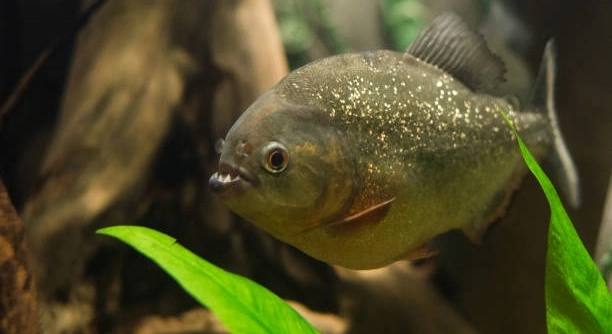
Many piranha owners notice their fish act differently at certain times of day. These changes often reflect how piranhas respond to familiar routines around them. Understanding these signs can help improve care for your pet.
Piranhas can recognize and react to daily routines through repeated patterns in feeding, light changes, and human interaction. These behaviors indicate memory and environmental awareness, showing their ability to adapt to consistent schedules and cues in their habitat.
Observing your piranha’s habits closely can reveal surprising insights into their behavior and well-being. This article will help you identify key signs that show your piranha knows its routine.
Recognizing Feeding Time Signals
Piranhas quickly learn when it is time to eat based on consistent feeding schedules. Over time, they begin to associate certain sounds or movements with food. For example, the sound of water splashing or the sight of a hand near the tank can make them more alert and active. This recognition is part of their survival instinct, helping them prepare for feeding. It’s common for piranhas to swim closer to the front of the tank or become more energetic right before mealtime. This behavior shows they can remember routines and expect food at certain times. Maintaining a regular feeding schedule helps keep their behavior predictable and reduces stress. When piranhas understand what to expect, they tend to be healthier and more comfortable in their environment.
Their response to feeding cues is a clear sign of routine recognition.
Consistent feeding times not only improve their eating habits but also help piranhas establish trust with their caretaker. These fish are sensitive to changes and appreciate a steady environment. When you feed your piranha regularly, you build a pattern that they can rely on. This stability reduces erratic behavior and can make tank maintenance easier. By paying attention to how your piranha acts before feeding, you can better understand its needs and adjust care if necessary.
Movement Patterns Around Light Changes
Piranhas are sensitive to changes in light, which signal different parts of their day. When the aquarium lights turn on or off at regular times, piranhas often change their activity levels accordingly. They may become more active when lights come on, searching for food or exploring, and quieter when lights go off, resting or hiding. This daily light cycle helps set their internal clock, aligning their behavior with a predictable pattern. Over time, piranhas can anticipate these light changes and adjust their movements before the shift occurs. This sensitivity to lighting is a natural behavior that supports their well-being in captivity.
Light changes influence their activity and reinforce their daily routine.
The link between light and behavior is important for maintaining a healthy tank environment. Proper lighting schedules help simulate natural conditions, which piranhas respond to instinctively. Sudden or irregular lighting changes can cause stress, leading to unusual behavior or health problems. By keeping lights on a timer, you provide a stable routine that your piranha can trust. Watching how your fish moves during these transitions can reveal much about its comfort level. Adjusting light cycles to suit their needs can improve their overall quality of life and help you anticipate their daily rhythm.
Reaction to Human Presence
Piranhas often become alert when someone approaches their tank. They recognize regular visitors and respond with increased movement or curiosity. This reaction shows they remember who interacts with them and when to expect attention.
This alertness is not just about hunger; it also reflects familiarity. Piranhas may swim to the front or follow movements outside the tank because they associate humans with feeding or changes in their environment. Over time, they learn to recognize specific people and routines, reacting differently to each one. This behavior suggests that piranhas can form simple memories and adapt to their surroundings based on repeated experiences.
Regular interaction helps piranhas feel more comfortable and secure. When they know what to expect, stress is reduced. Caretakers who spend time near the tank and maintain consistent habits support their fish’s mental well-being. Observing how your piranha responds to your presence can strengthen your understanding of their routine and needs.
Habitual Swimming Paths
Piranhas tend to follow the same swimming routes within their tank. These habitual paths reflect their comfort zones and understanding of their space. Repeated movement patterns are signs they recognize their environment well.
Swimming along familiar routes helps piranhas feel safe and confident. They use these paths to patrol their territory and monitor potential changes. When their environment remains consistent, these patterns stay stable, showing routine recognition. If the tank layout changes suddenly, they may explore more or behave nervously until they adjust. Watching these swimming habits offers insight into their comfort and awareness.
Encouraging a stable environment supports these natural patterns. Adding or rearranging decorations should be done carefully and infrequently. Maintaining clear swimming routes helps reduce stress and promotes healthy behavior. Understanding these patterns helps caretakers notice any changes that might indicate discomfort or health issues, allowing timely responses to keep the piranha thriving.
Response to Tank Cleaning
Piranhas often react noticeably when their tank is cleaned. They become more active or sometimes hide, showing they recognize the disruption to their usual environment.
This reaction happens because cleaning changes their surroundings temporarily. They understand that these changes are part of a routine but still cause a brief shift in their behavior.
Recognizing Feeding Tools
Piranhas quickly learn to associate specific feeding tools with mealtime. The sight of nets or food containers often triggers excitement or increased movement before food is given.
Adjusting to Water Changes
Piranhas can sense when water changes occur, responding with altered swimming or hiding behaviors. This sensitivity shows their awareness of routine maintenance in their tank.
How do I know if my piranha truly recognizes its routine?
Piranhas show clear signs of recognizing routines through their behavior patterns. If your piranha becomes more alert or active right before feeding times, that is a strong indication. They may swim toward the front of the tank or respond to familiar sounds like water splashing or the approach of a hand. These responses happen consistently if the schedule is regular. Additionally, changes in their swimming habits around light shifts or when you clean the tank suggest they expect those events. Recognizing routine means your piranha can anticipate what happens next, which shows memory and adaptation to its environment.
Can irregular feeding times confuse my piranha?
Yes, irregular feeding can cause confusion and stress for your piranha. These fish rely on consistent schedules to feel secure. When feeding times vary, your piranha might become anxious or exhibit erratic swimming. This can lead to reduced appetite or increased aggression. Keeping a steady feeding routine helps maintain stable behavior and supports their health. If you must change feeding times, try to do so gradually to avoid upsetting their internal clock. Regularity is key to building trust between you and your piranha.
Why does my piranha react differently to me compared to others?
Piranhas can recognize individual people based on their appearance and behavior. If you feed or interact with your fish more often, it will likely respond to you with more activity or curiosity. Other people who rarely approach the tank may not get the same reaction. This shows piranhas can form simple memories about who provides food or care. Being consistent in how and when you interact helps your piranha feel comfortable and strengthens this bond.
Is it normal for piranhas to have favorite swimming spots?
Yes, it is normal for piranhas to establish preferred swimming routes or resting areas in their tank. These spots offer a sense of safety and familiarity. Habitual paths also help them patrol their territory and reduce stress by providing predictable space. When the tank layout remains the same, these patterns become stronger. Changing decorations or rearranging the tank can disrupt their routine, causing temporary anxiety until they adjust. Observing these patterns helps you understand your piranha’s comfort level.
How should I handle tank cleaning to reduce stress on my piranha?
Tank cleaning can be stressful if done too suddenly or aggressively. To reduce stress, clean the tank regularly but gently, avoiding major changes all at once. Partial water changes and spot cleaning help maintain a stable environment. Try to perform cleaning tasks at similar times to build routine. Avoid startling your piranha by moving slowly and minimizing loud noises near the tank. Consistency in cleaning habits allows your fish to anticipate and accept the process as part of their routine.
Do changes in lighting affect my piranha’s behavior?
Yes, lighting plays a big role in regulating piranha behavior. These fish respond strongly to light turning on and off because it signals different parts of their day. A consistent lighting schedule helps set their internal clock. When the lights go on, they become more active and alert. When lights turn off, they tend to rest or hide. Sudden or irregular changes in lighting can cause stress and disrupt their routine. Using a timer to control aquarium lights is a simple way to maintain balance.
What signs show my piranha is stressed due to routine changes?
Signs of stress include frantic swimming, hiding more than usual, refusal to eat, or aggressive behavior. If you notice sudden changes after shifting feeding times, cleaning schedules, or lighting, your piranha may be reacting negatively. Stress weakens their immune system and can lead to illness. To help, return to a regular routine as quickly as possible. Monitoring behavior closely allows you to detect stress early and adjust care to support your fish’s health.
Can piranhas get bored without routine?
While “boredom” is a complex idea, piranhas do benefit from a stable environment and regular interaction. Lack of routine or stimulation might lead to inactivity or unusual behavior. Consistent feeding, lighting, and gentle human presence help keep them engaged and comfortable. Adding some decorations or hiding spots can also enrich their habitat. Maintaining a predictable routine supports their natural instincts and overall well-being.
How long does it take for a piranha to learn a new routine?
Learning a new routine can take several days to weeks, depending on the change and the fish’s age or personality. Gradual adjustments in feeding time, lighting, or tank maintenance help piranhas adapt without causing too much stress. Repetition is important, as piranhas remember patterns after consistent exposure. Patience is key when introducing new schedules. Watching their behavior closely during this period will help you know when they have adjusted fully.
What is the best way to build trust with my piranha through routine?
Consistency is the best tool for building trust. Feed your piranha at the same time every day, keep lighting regular, and approach the tank calmly and quietly. Regular interaction, even without feeding, helps your fish recognize and feel comfortable around you. Over time, your piranha will associate your presence with positive experiences. This trust shows in their relaxed swimming and readiness during feeding times. Building this relationship improves both their mental health and your enjoyment as a caretaker.
Understanding how your piranha recognizes routine can make a big difference in its care. These fish respond well to consistent feeding times, lighting schedules, and human interaction. When their environment stays predictable, they show clearer behavior patterns, like swimming to the front of the tank before meals or adjusting their activity when the lights change. These signs reveal that piranhas are not just reacting by chance but actually remembering and expecting what happens around them. This ability to recognize routine helps reduce their stress and supports their health.
Keeping a steady routine benefits both the piranha and the caretaker. It allows the fish to feel safe and comfortable, which leads to calmer behavior and better appetite. For caretakers, regular patterns make it easier to notice if something is wrong. Sudden changes in behavior often point to health issues or stress, so knowing your piranha’s usual routine helps catch problems early. By maintaining regular feeding times, careful tank cleaning, and consistent lighting, you create an environment where your piranha can thrive. This stable setting also builds trust between you and your fish, making daily care more rewarding.
Finally, paying attention to your piranha’s responses to its routine encourages a deeper connection. These fish are more aware of their surroundings than many people realize. They react to familiar cues like sounds, movements, and changes in light because they recognize the pattern behind them. Understanding these clues allows you to provide better care and notice when adjustments might be needed. Keeping routines consistent while observing your piranha’s behavior ensures its well-being and helps you enjoy the experience of caring for such an interesting and intelligent fish.

Hello,
If you enjoy the content that we create, please consider saying a "Thank You!" by leaving a tip.
Every little bit helps us continue crafting quality advice that supports the health, happiness, and well-being of pets around the world, for pets of all shapes, sizes, and species.
We really appreciate the kindness and support that you show us!